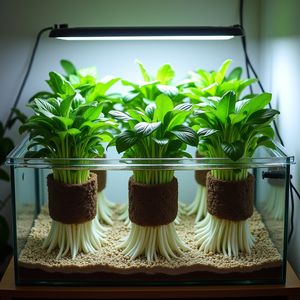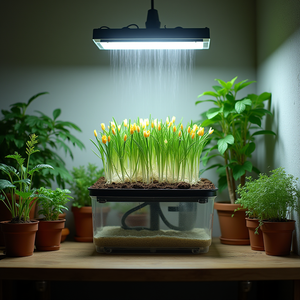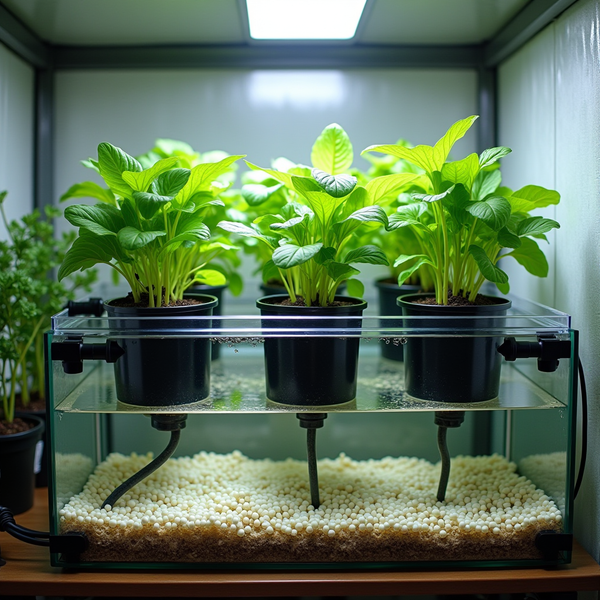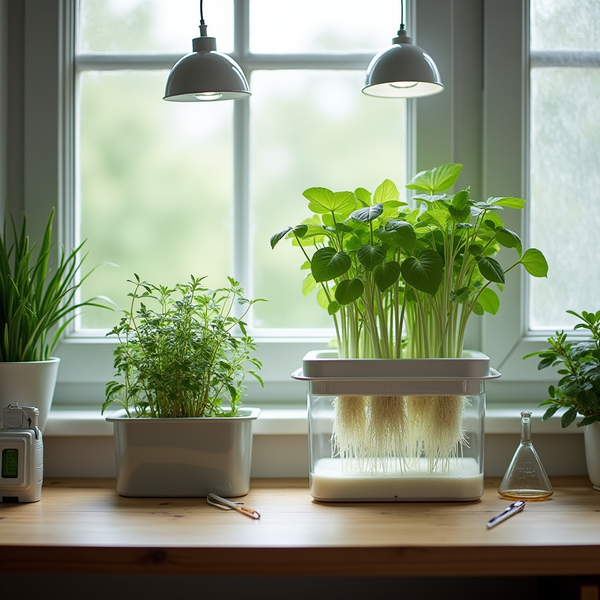
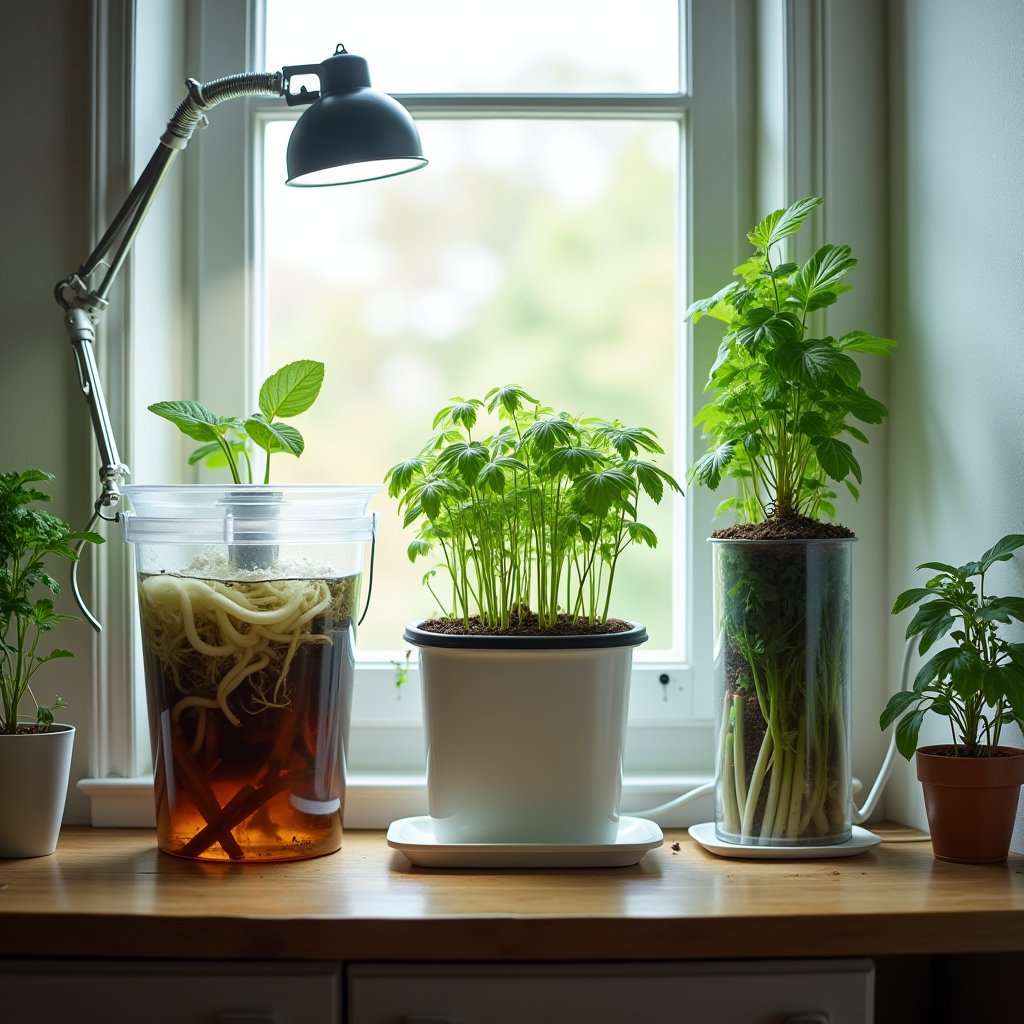
DWC vs Kratky vs Towers: Designing Apartment-Friendly Hydroponic Systems That Actually Fit Your Space and Lifestyle
“The best hydroponic system for small apartments is always a fancy smart tower.” No. The best system is the one that fits your power sockets, your neighbors’ noise tolerance, your lease, and your patience for maintenance.
If you’re scrolling Reddit, Facebook groups, or YouTube right now trying to decide between a passive Kratky jar, a powered DWC bucket, or a compact tower, you’re not alone. New urban growers are wrestling with the same question: how do you choose a system that actually works in a small apartment without cooking the room, tripping the circuit, or driving everyone mad with pump noise?
This guide cuts straight through the marketing and focuses on real apartment constraints: footprint, noise, heat, electrical risk, and maintenance load. We’ll walk Kratky, DWC, and vertical towers through the same lens so you can match a system to your space and lifestyle, not the other way around.
1. Common mistakes apartment growers make when choosing a hydro system
1.1 Ignoring footprint and access, not just “how many plants”
Most beginners look at plant count and forget basic ergonomics. A vertical hydroponic tower that technically “fits” in 2 square feet looks great in a promo video, but in a real studio you still need:
- Access space to prune, harvest, and clean the reservoir.
- Door clearance so you’re not brushing wet leaves every time you walk past.
- Safe placement away from electronics and rugs.
Apartment-focused reviews of compact towers highlight this constantly: the footprint on paper is small, but the working envelope around the tower takes more space than you expect, especially in narrow living rooms or galley kitchens, as noted in this guide.
1.2 Underestimating pump noise and vibration (especially in bedrooms)
If you live in a studio or sleep in the same room as your plants, a cheap air pump can make your life miserable. Apartment growers on Reddit and in Facebook groups repeatedly report that the constant hum of budget DWC pumps becomes the number one complaint after a week, particularly when the pump sits on hardwood or a hollow cabinet that resonates.
Vertical towers and DWC systems both rely on pumps. Even “quiet” models typically sit in the 30 to 45 dB range according to apartment hydro guides like this breakdown of apartment systems. That sounds minor until the pump runs directly under your bed or desk.
1.3 Treating Kratky and DWC as interchangeable
Another common mistake: assuming Kratky is just “DWC without the pump” and that you can freely switch between them without changing how you manage water levels, pH, and EC.
- Kratky is designed around a dropping water line that creates an air gap for oxygen roots. Top up too early and you drown those roots.
- DWC is designed around constant submersion with forced aeration from an air pump and stone.
Guides that compare the two, like this DWC vs Kratky for apartment beginners article, emphasise that water level strategy, maintenance rhythm, and failure modes are completely different.

1.4 Forgetting building power limits and heat load
In older apartments, you might share a single circuit for lights, computers, and your grow. Stack a high-watt LED panel and multiple pumps on the same outlet and you can run into breaker trips or constant heat build-up. Articles on small-apartment hydro, like this Australian guide to apartment systems, estimate that a modest tabletop system runs around a couple of dollars of electricity per week, but the real constraint is often heat and outlet availability, not dollar cost.
If your grow area already runs warm, a fully lit tower plus pumps may push the room into uncomfortable territory in summer, especially in smaller studios with limited airflow.
1.5 Overbuilding the first system
Finally, many renters jump straight to a powered tower with 20+ sites because the marketing promises “year-round food for the family.” That is a lot of plumbing and a lot of failure points for someone who has never mixed nutrients or checked EC before.
When you’re still learning basic pH and EC control, a multi-level tower fed by a central reservoir is unforgiving. A single mistake in nutrient strength, pump failure, or pH drift hits every plant at once - as discussed in apartment-focused guides like this beginner apartment hydroponics guide.
2. Why these mistakes happen (and how Kratky, DWC, and towers really differ)
2.1 Marketing focuses on yield, not lifestyle constraints
Most commercial content focuses on yield per square metre, plant count, or clever app features. That’s fine if you own a house and can dedicate a room to growing. In apartments, the limiting factors are different:
- Noise bandwidth: How much constant hum can you tolerate in a shared room?
- Heat bandwidth: How warm does the room get with lights and pumps running?
- Maintenance bandwidth: How many hours per week can you reasonably tend to your system?
Apartment-specific guides, such as this vertical hydroponics guide for tiny apartments, stress that quiet pumps, anti-leak designs, and compact footprints matter more than max yield for most renters.
2.2 Kratky vs DWC: fundamentally different maintenance rhythms
Kratky is passive. You fill an opaque container with nutrient solution, set pH and EC once, and let the plants slowly draw it down. As solution drops, roots develop an air zone for oxygen. In well-designed systems, pH and EC stay relatively stable because water and nutrients are consumed together, as noted in both grower anecdotes and references like this nutrient guide.
DWC is active. Roots stay fully submerged in continuously aerated solution. You run an air pump 24/7, watch pH drift, and top up with pH-adjusted water. Deep water culture primers like this DWC guide emphasise weekly or biweekly reservoir changes to avoid nutrient imbalances and biofilm.
For renters, that difference is huge:
- Kratky: minimal routine maintenance, zero noise, zero power.
- DWC: frequent checks, constant pump noise, power reliance.
2.3 Towers concentrate risk in one reservoir
Vertical towers are essentially stacked NFT or recirculating systems. A single pump sends nutrient solution to the top; it runs past every root zone and returns to a shared reservoir. This is excellent for efficiency but unforgiving for mistakes.
- A stuck float valve or failing pump leaves every plant dry.
- A mis-dosed nutrient mix hits every plant site.
- A small leak at height can drip onto floors or neighbours’ units.
Articles on apartment towers, like this overview of compact systems, repeatedly stress anti-leak designs and modular height as key apartment-friendly features for exactly this reason.
3. How to pick and design a system that matches your apartment and lifestyle
3.1 Step 1: Map your space, circuits, and noise tolerance
Before you pick Kratky, DWC, or towers, do a quick audit:
- Measure real footprint: Use painter’s tape to mark a 60 x 60 cm square (about 2 x 2 ft) on the floor or counter where you could put a system. That’s enough for most apartment-friendly towers, buckets, or totes.
- Check outlet distance: How many outlets are within 1.5 to 2 m? Are they already loaded with heaters, PCs, or TVs?
- Note heat zones: Is this corner already the warmest spot in summer?
- Identify quiet zones: Where can you tolerate a pump hum, and where must it be dead silent?
This is the difference between a system that “fits” and a system you actually live with comfortably.
3.2 Step 2: Match system type to noise and maintenance bandwidth
Kratky: best for silent, low-maintenance setups
Kratky thrives where noise must be zero and maintenance must be minimal. Think bedrooms, shared offices, or rentals with sensitive neighbours.
- Best hydroponic system for small apartments if: You want low-maintenance hydroponic systems for renters that are silent and risk-averse.
- Footprint: Jars and 5 gallon buckets sit on shelves, windowsills, or under compact LEDs.
- Maintenance: Mix nutrients once, check pH/EC, and maybe adjust once mid-cycle.
- Risk: Few moving parts, no pumped water, very low leak potential.
The Kratky method is often described as the quietest hydroponic option because it runs at 0 dB, with no pumps or air stones, as summarised in resources like this quiet hydroponic systems guide.
DWC: best when you can tolerate some noise and weekly chores
DWC shines when you’re ready to commit to active management. It’s ideal for larger single plants (like peppers or tomatoes) in living rooms or home offices where a low hum is acceptable.
- DWC vs Kratky for indoor gardening: Pick DWC when you want faster growth and longer crop cycles and you’re comfortable with weekly reservoir changes and daily pH checks.
- Footprint: One or two buckets or a low tote tucked under a bench or in a corner.
- Maintenance: Plan for 30 to 60 minutes per week for tests, top-ups, and reservoir changes.
- Risk: Pump failure can damage plants fast; leaks and splashes are more likely than in Kratky.
Deep water culture guides such as this DWC starter guide emphasise that the reward is rapid growth if you keep pH (5.5 to 6.5), EC, and water temperature in range.
Towers: best for max yield in minimal floor space
Towers make sense when the constraint is floor area, not height or complexity. They are particularly good for balconies, bright corners, or dedicated “grow walls.”
- Vertical hydroponic towers for small spaces: Great when you need 12 to 30+ plant sites in 2 to 4 sq ft.
- Maintenance: Similar to DWC but across more sites; plan for consistent weekly routines.
- Noise: Pump hum plus water trickle; fine for living rooms, less ideal for bedrooms.
- Risk: One leak or pump issue affects the entire system.
Commercial vertical systems highlighted in resources like this hydroponic towers guide focus heavily on anti-leak reservoirs and quiet pumps specifically because they target apartment growers.
3.3 Step 3: Choose crops that fit the system and space
Once you understand your constraints, match crops to systems:
- Kratky: Lettuce, pak choi, basil, cilantro, mint, and similar leafy greens. These are short-cycle, low-demand crops that don’t need constant top-ups.
- DWC: Larger, thirstier plants like tomatoes, peppers, cucumbers, and heavy-feeding herbs.
- Towers: Mixed greens, herbs, strawberries, and compact chilli or tomato varieties that can share a central reservoir and vertical trellising.
Guides like the hydroponics explainer from Britannica and apartment-specific resources such as this small apartment systems guide consistently recommend leafy greens and herbs as the highest-return crops per unit of space, especially for beginners.
3.4 Step 4: Design basic safety into your apartment system
Your landlord cares about one thing: no damage. You should too.
- Trays and mats: Always place reservoirs on waterproof trays or boot mats. A small leak stays on the tray, not the carpet.
- Cable management: Keep power strips off the floor and use drip loops so any condensation runs away from outlets.
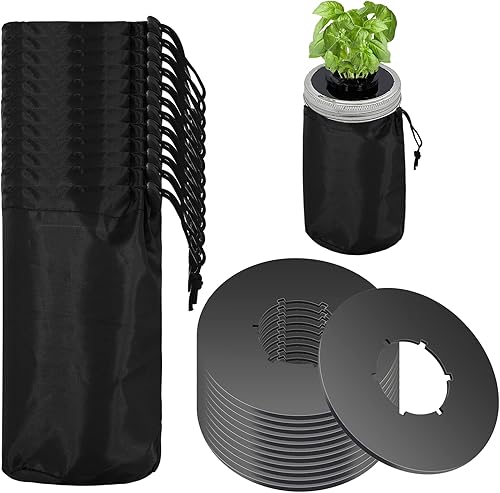
- Opaque containers: Dark buckets and blackout sleeves reduce algae, which cuts cleaning and keeps roots healthier, as mentioned in many Kratky-focused resources like this comparison guide.
- Weight awareness: A full 5 gallon bucket weighs over 18 kg. Don’t load wobbly shelves or thin balcony railings with multiple full reservoirs.
4. What to watch long-term: pH, EC, noise, and heat as your system scales
4.1 pH and EC management in small apartment systems
Regardless of system, nutrient, pH, and EC control are non-negotiable.
- Target pH: 5.5 to 6.5 for most hydro crops, matching recommendations from hydroponic nutrient guides like this EC and pH guide.
- EC ranges: Roughly 0.7 to 0.9 EC for seedlings, 0.9 to 1.2 EC for leafy greens, and 1.2 to 1.6 EC for many fruiting crops, aligning with common guidelines summarised in community threads such as this hydroponics EC discussion.
For Kratky, use clean water (ideally filtered or RO), mix nutrients to target EC once, and monitor occasionally. Non-circulating systems tend to keep pH and EC relatively stable throughout a lettuce cycle if you don’t overfill, as noted in this Kratky water-change guide.
For DWC and towers, plan on:
- Checking pH and EC several times per week.
- Topping up with pH-adjusted water between weekly or biweekly full changes.
- Cleaning air stones, pumps, and lines periodically to prevent clogs and biofilm.
Deep water culture resources like this DWC explainer and this Kratky vs DWC comparison agree: if you want stable performance, pH and EC meters are foundational tools, not optional extras.
4.2 Managing noise over time (not just on day one)
Pumps and fans often get louder as they age. Bearings wear, foam pads compress, and what started as a gentle hum becomes noticeable.
- Decouple pumps from hard surfaces: Set them on silicone mats, folded towels, or yoga mats to dampen vibration. As this quiet pump guide notes, cheap padding often beats expensive new hardware.
- Run slightly oversized pumps: Use a pump you can dial down. Running at lower output often cuts noise significantly, as mentioned in apartment-focused systems reviews like this apartment hydro guide.
- Schedule pump downtime if possible: Towers and some DWC setups can handle short off-cycles overnight, but only if designed to keep roots moist. Test carefully before relying on this.
4.3 Heat and humidity in small rooms
Every watt you pump into LEDs and pumps ends up as heat in your room. In small apartments, this matters.
- LED selection: Choose efficient LEDs that match your footprint. Over-lighting a small space leads to unnecessary heat.
- Ventilation: Crack windows when weather allows, or aim a small fan to mix air and avoid hot pockets around your plants.
- System placement: Avoid stacking systems directly under mezzanines or low ceilings where heat accumulates.
Hydroponic apartment guides like this tiny-space hydro article note that one or two modest systems are usually fine, but a full wall of high-watt lighting can make a small room uncomfortably warm without ventilation.
4.4 Scaling without overwhelming yourself
The biggest long-term risk isn’t a pump failure; it’s burnout. It’s easy to add systems faster than you add time.
- Phase 1: Start with one Kratky tote or a passive countertop system. Learn nutrient mixing, pH, and EC basics.
- Phase 2: Add a single DWC bucket once you can keep a Kratky run stable from transplant to harvest.
- Phase 3: Only then consider a tower or second DWC system.
This staged approach mirrors the advice in many apartment-grow guides, such as this beginner guide, where the recommendation is to master one simple system before layering in more complexity and electrical load.
Conclusion: choose the system that fits your life, not just your balcony
If you’re a renter or small-apartment grower, the “best” hydroponic system is the one that meets three tests:
- Space fit: It physically fits with safe access around it.
- Noise fit: It stays within your tolerance and your neighbours’ patience.
- Maintenance fit: It matches the time and attention you can realistically give it each week.
In practice, that often looks like this:
- Kratky for silent, low-maintenance greens and herbs in bedrooms, offices, and tight corners.
- DWC for bigger, faster-growing plants in living spaces where pump hum is acceptable.
- Vertical towers for maximum plant count in minimal floor space, once you’re comfortable with nutrient management and basic system troubleshooting.
Hydroponics and apartment living pair incredibly well when you design for your real constraints from the start. Get that match right and you’ll have reliable, low-drama harvests instead of another abandoned “smart garden” gathering dust in a cupboard.
As an Amazon Associate, I earn from qualifying purchases.
Names and numbers can make a football shirt feel linked to a particular player. For a season-based comparison, Lionel Messi jersey(camiseta de Lionel Messi) identifies the team or player linked to the design. Small construction details can make a noticeable difference during long matchdays.