Hydroponic System Design for Hot, Humid Climates: What Small Growers Can Learn from Singapore’s Micro-Garden Boom
The problem hot, humid cities are exposing
“Hydroponics works anywhere” is only half true. In hot, humid, high-density cities like Singapore, Kuala Lumpur or Manila, the wrong system design will quietly cook your roots, supercharge fungal pressure, and make nutrient management a constant firefight.
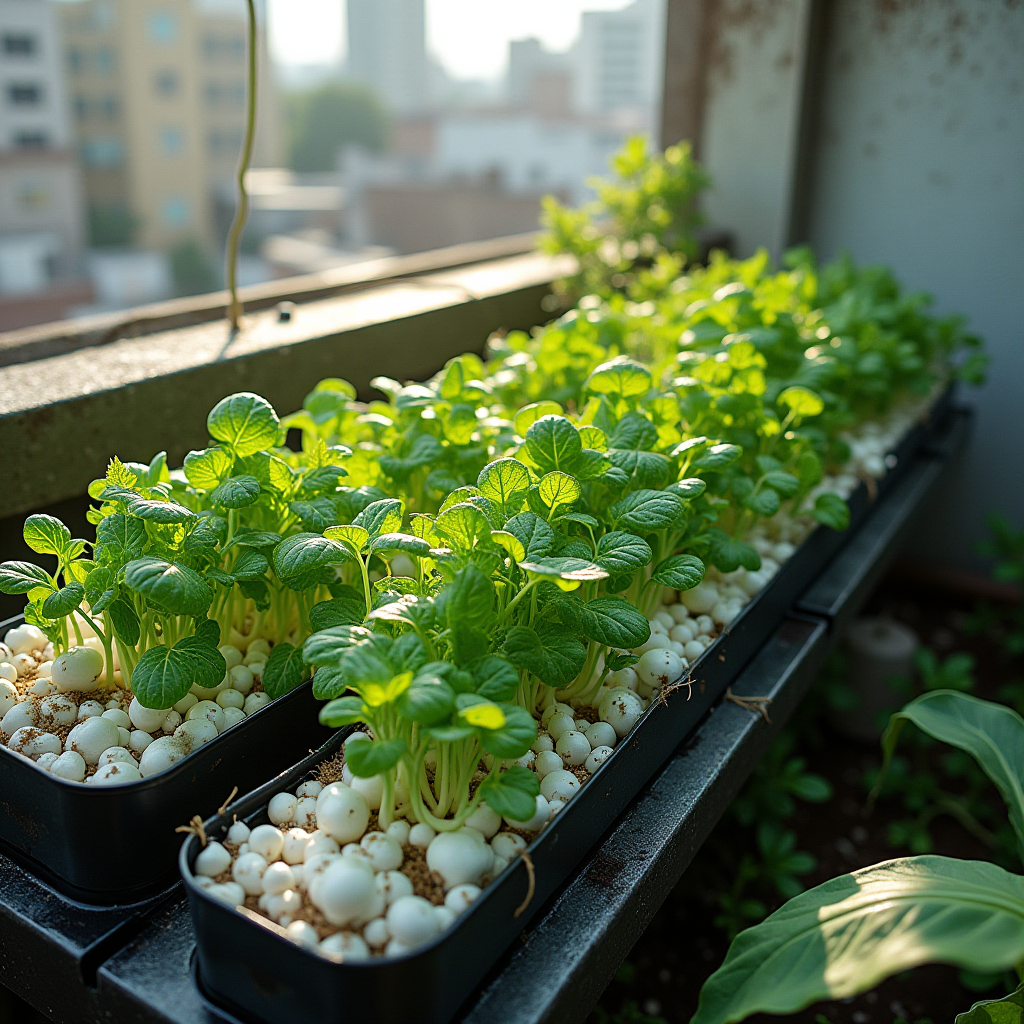
Channel NewsAsia recently reported on the sharp rise in demand for micro-gardens in Singapore, especially from schools and companies that want practical food-growing systems, not just green décor in lobbies and classrooms. Their report highlights exactly the audience this article is for: small indoor or semi-indoor hydroponic setups in tropical mega-cities, where space is tight, airflow is poor, and the air outside is already warm and wet.
Most hydroponic advice online assumes cool basements, dry air, and big sheds with easy ventilation. That is not your reality if you are installing a 30-site DWC in a Singapore classroom or trying to run an NFT rail on a shaded balcony in Mumbai.
So let’s strip this back and walk through the most common design mistakes small growers make in hot, humid environments, why they happen, and how to fix them with practical, evidence-based system tweaks.
1. Common mistakes in hot, humid urban hydroponics
Mistake 1: Treating tropical classrooms like temperate grow tents
Many school and office installs in Singapore follow plans imported from cooler climates: big reservoirs, closed ceilings, minimal air movement, and generic nutrients. In a 28–32 °C, 70–90% RH environment, those assumptions fall apart fast.
Typical symptoms:
- Healthy-looking seedlings that suddenly stall around week 2.
- Roots turning tan, then brown, even though the water “looks clean”.
- Leaves staying soft and floppy even under decent light.
Mistake 2: Ignoring solution temperature as a design constraint
In a tropical indoor or semi-indoor space, your nutrient solution usually settles within 1–3 °C of average room temperature unless you actively design around it. That means 27–32 °C solution in many Singapore classrooms and balconies. Yet most DWC and NFT designs are still built as if they will run at the classic 18–22 °C root zone band.
Warm solution cuts dissolved oxygen, accelerates microbial growth, and pushes roots to the edge. As controlled studies on lettuce in warm nutrient solutions have shown, yields drop and disease risk climbs rapidly once solution temps rise above the low 20s.
Mistake 3: Over-sealing systems to “keep pests out”
In dense cities, it is tempting to over-enclose your system: full acrylic covers, tightly wrapped vertical towers, or netted cabinets to stop insects. In hot, humid rooms this traps heat and humidity right around the leaves and roots.
Result:
- Very high leaf-surface humidity and low transpiration.
- Condensation on ceilings, lights and inside channels.
- Powdery mildew and botrytis pressure even on leafy greens.
Mistake 4: Copying temperate nutrient recipes and EC targets
High humidity and warm roots change how plants move water and nutrients. You can run the same EC as a Dutch greenhouse and still end up with tip burn, calcium issues and “mushy” growth in a Singapore office.
In warm, wet air, transpiration drops. That means plants pull fewer ions per day at the same EC. If you do not adjust for this, specific nutrients like calcium and boron can become limiting in fast growers, while others accumulate.
Mistake 5: Installing high-pressure systems that are hard to sanitize
Aeroponics and high-pressure mist systems can work in the tropics, but they punish poor hygiene. In schools and community spaces that cannot maintain strict cleaning routines, those tiny nozzles and enclosed chambers become ideal homes for biofilms and pathogens.
In warm rooms, this spirals much faster. Once a pathogen load is established in a warm, nutrient-rich misting system, it can take down an entire 60–120 site tower in days.

2. Why these problems hit tropical micro-gardens so hard
Root zone physics in hot, wet air
At 30 °C vs 20 °C, water holds roughly a third less dissolved oxygen. In DWC and NFT, that means less oxygen available exactly when root and microbial metabolism speeds up. If you do not compensate with higher aeration and smarter reservoir design, roots suffocate and opportunistic microbes take over.
Warm, low-oxygen solution is the perfect storm for pythium and other root pathogens. This is why root rot shows up so often in tropical school systems that copy cool-climate designs.
Humidity wrecks your VPD, not just comfort
High ambient humidity means very low vapor pressure deficit (VPD). In simple terms, plants struggle to move water from roots to leaves and then out into the air. When VPD is too low:
- Transpiration slows, so calcium and boron struggle to reach fast-growing tips.
- Stomata stay more closed, which can limit CO₂ intake under strong light.
- Leaf surfaces stay damp, increasing disease risk.
Many tropical classrooms run 70–90% RH without active dehumidification, especially in older buildings or when windows stay shut for safety. That is a very different starting point than the 50–60% RH many hydro texts assume.
Building and energy constraints in dense cities
Singapore’s micro-garden boom is happening in places that were never designed as grow rooms: classrooms, office corners, lift lobbies, small balconies, and void decks. As the CNA piece points out, these are often small, high-value spaces where visual appeal and low maintenance matter as much as yield.
That means:
- Limited ability to vent warm, humid air out.
- Air conditioning set for human comfort, not plant optimization.
- Noise limits that rule out big fans and blowers.
- Safety rules that restrict plumbing, drains, or heavy water tanks.
Any hydroponic system you design for these spaces has to respect those constraints while still controlling solution temperature, humidity, and sanitation.
Maintenance realities in schools and offices
Many micro-gardens in Singapore are managed by teachers, office managers or volunteers, not full-time growers. Cleaning and calibration often happen weekly at best, more realistically every 2–3 weeks once the novelty wears off.
That has to shape your system choices. Low-maintenance, low-pressure, easy-to-visualize systems win in these environments. Clever designs that only work with daily monitoring or aggressive sterilization will fail in practice.

3. How to fix the big design errors in hot, humid hydroponic spaces
Step 1: Choose systems that tolerate heat and imperfect airflow
For tropical classrooms, offices and balconies, system choice is your first control point. Here is how common methods behave in hot, humid environments:
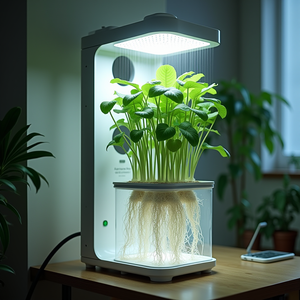
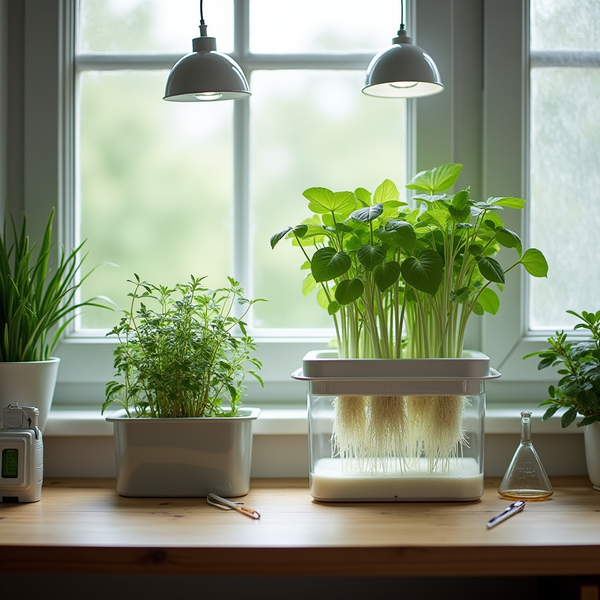
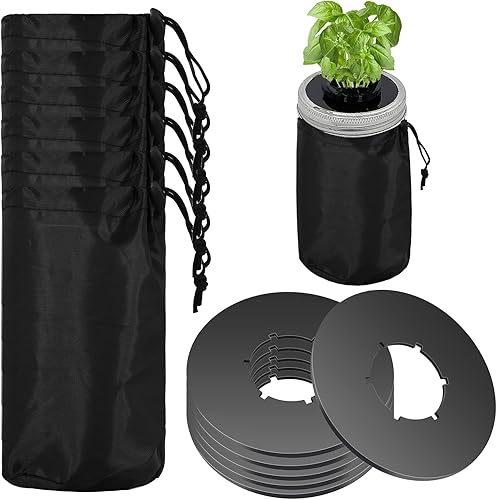
- Small Kratky and semi-Kratky systems (jars, tubs, buckets): Great for herbs and leafy greens if you keep nutrient depth modest (8–15 cm) and shade the reservoir. Large, deep, black tubs in hot classrooms tend to overheat and stratify.
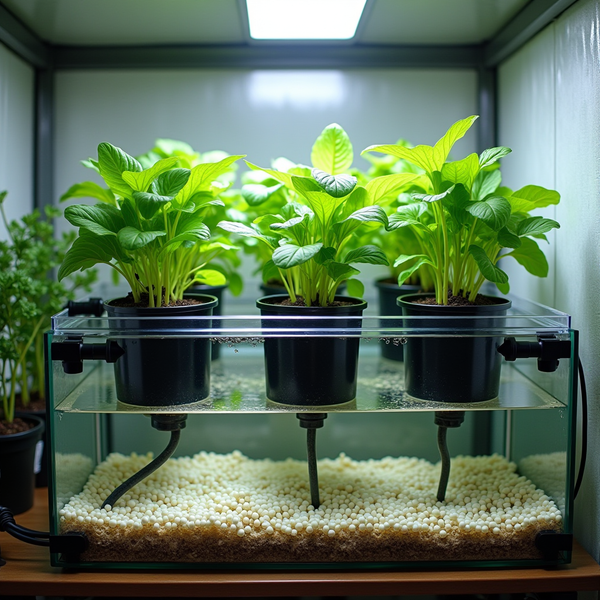
- DWC (deep water culture): Productive but very sensitive to warm solution. In rooms above 28 °C, use insulated or double-walled reservoirs, aggressive aeration, and white or reflective lids as standard.
- NFT (nutrient film technique): And other shallow-flow systems like gully channels are often a sweet spot in the tropics. Thin films of water shed heat faster than deep buckets, and channel volume is low, so you can manage temperature via a smaller, better-insulated central reservoir.
- Low-pressure drip-to-waste or recirculating drip: Ideal for fruiting crops in semi-indoor balconies. Because the medium buffers roots from short temperature swings, drip can be more forgiving than bare-root systems in hot weather.
- High-pressure aeroponics: Only for teams with strong hygiene discipline and technical support. Keep it out of schools and casual community spaces unless you have guaranteed maintenance and training.
In most tropical micro-gardens, I recommend:
- NFT or shallow recirculating systems for leafy greens and herbs.
- Small, modular Kratky jars or tubs for entry-level education and simple office setups.
- Drip-to-waste or recirculating drip for larger balcony or rooftop projects.
Step 2: Design reservoirs for hot climates, not catalog photos
If you take nothing else from this article, take this: root zone temperature is a core design variable in the tropics.
For indoor hydroponics in hot, humid cities, build your reservoir around these principles:
- Go wide and shallow, not deep and narrow for small systems. Shallow, broad tanks under benches lose heat faster to the air and are less prone to deep, warm stratification.
- Insulate wherever you can. Simple foam board under and around reservoirs, plus reflective white lids, can knock a few degrees off solution temperature.
- Keep reservoirs off sun-warmed floors and walls. In many tropical classrooms, concrete floors and walls store heat. A 2–3 cm foam or wooden spacer under your tank helps.
- Centralize and shade. For NFT and drip, run a single, well-insulated master reservoir in the coolest part of the room, then distribute solution from there.
- Use active cooling only where justified. Aquarium chillers and glycol loops are costly. For school and office micro-gardens, focus on passive techniques first and reserve chillers for high-value production projects.
In high-risk rooms, you can also run slightly higher dissolved oxygen via oversized air pumps and stones in DWC, though that will not fully compensate for very warm nutrient solution.
Step 3: Airflow and dehumidification without freezing people
You will not turn a Singapore classroom into a perfect 24 °C, 60% RH grow lab. You do not need to. You just need to move from “disease-prone sauna” to “stable enough for productive plants”.
Practical options that work in real buildings:
- Dedicated oscillating fans for the canopy, not pointed at people. Use quiet, low-profile fans mounted above head height, angled to skim the tops of plants and lightly stir the room.
- Use AC wisely. In many tropical classrooms, setting the AC to a slightly cooler temperature (for example 23–24 °C instead of 26–27 °C) with moderate fan speed can drop RH by 5–10 percentage points during occupied hours.
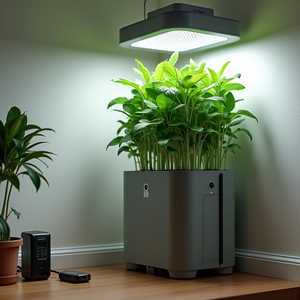
- Portable dehumidifiers for plant corners. A compact dehumidifier placed near the grow area, draining into a sink or container, can keep local RH in a more comfortable band without chilling the entire room.
- Avoid dead corners and ceiling pockets. Arrange channels, racks and towers so air can move around and through them, not just over the top.
For planning, aim for:
- Daytime RH in the plant zone around 60–75% if possible.
- Gentle, continuous air movement around leaves.
- No visible condensation on walls, ceilings, or inside NFT channels.
Step 4: Adjust nutrient strength and recipes for warm, humid conditions
Hydroponic system design for tropical climates must include nutrient strategy, not just hardware. In high humidity and warm rooms, I recommend:
- Running slightly lower EC than temperate recipes for the same crop, especially for leafy greens. For example, 1.2–1.4 mS/cm for lettuce instead of 1.6–1.8, assuming good light.
- Prioritizing calcium stability. Use a high-quality two-part nutrient where calcium nitrate is kept separate from phosphates and sulfates until diluted, and avoid mixing concentrates in warm storage rooms.
- Shortening top-up intervals. In hot rooms, EC drifts faster due to evaporation. Plan for smaller, more frequent adjustments rather than large, infrequent top-ups.
- Monitoring pH frequently. Warm solution speeds biological activity; weekly pH checks are not enough. In schools and offices, aim for at least twice-weekly pH and EC readings.
For indoor hydroponics in hot, humid cities, a conservative target is:
- pH: 5.8–6.2 for most leafy greens and herbs.
- EC: 1.0–1.5 mS/cm for leafy greens, 1.6–2.2 mS/cm for fruiting crops, adjusting down slightly as humidity rises.
Step 5: Build sanitation into the design
In consistently warm systems, you cannot afford slow, awkward cleaning. Design your micro-garden around easy access and quick disinfection:
- Prefer smooth, light-colored plastics for channels and reservoirs, which show biofilms and clean up faster.
- Use unions, quick-connects and removable lids so staff can open, flush and scrub any part of the system without tools.
- Specify a basic cleaning protocol: full system rinse and sanitize between cycles, plus light weekly maintenance during cycles.
- Keep spare net pots, media and lines so you can swap out dirty parts instead of fighting to clean them mid-cycle.
4. What to watch long-term: benchmarks, pests and scaling
Benchmarking success in hot, humid micro-gardens
In tropical indoor hydro, you are not chasing laboratory perfection. You are aiming for stable, repeatable performance under real building constraints. Useful benchmarks for leafy greens and herbs in Singapore-style classrooms and offices:
- Cycle time: 28–35 days from transplant to harvest for lettuce, 21–28 days for fast Asian greens under good lighting.
- Loss rate: Less than 10% of plants lost per cycle to disease or physiological disorders.
- Root appearance: Predominantly white to cream roots, with only mild browning near the crown in very warm rooms.
- Environmental bands: Room temperature 23–30 °C; RH in the plant zone mostly between 60–80% during the day.
If you are consistently outside these bands, revisit reservoir design, airflow and sanitation before chasing more exotic nutrients or additives.
Disease management under high fungal pressure
Hot, humid conditions favor fungi and bacteria. Build your strategy around prevention and quick response:
- Start with clean seedlings. Use fresh media, sanitized trays and, where possible, a separate nursery area with its own lighting and airflow.
- Hard prune and thin. Overcrowded channels trap humidity. Space plants so leaves have some air between them at maturity.
- Inspect roots weekly. Pull a few net pots and check roots. Early off-colors and smells are your warning to sanitize and adjust temperature or aeration.
- Rotate and rest channels. In shared spaces, cycle channels or modules so that some parts of the system can be cleaned and dried while others are in use.
Where allowed, some growers also use beneficial microbes or oxidizing agents at low doses in the reservoir. If you go this route, follow manufacturer guidance and keep records; warm systems magnify both benefits and mistakes.
Pest pressure in urban interiors
In high-density cities, you will see aphids, thrips and fungus gnats hitchhiking in on people and plants. The goal is containment, not eradication. Practical tactics for schools and offices:
- Physical barriers that still breathe: insect mesh around balcony rails, but not fully sealed cabinets around plants.
- Sticky traps positioned at canopy height and near drains or media surfaces to track and reduce flying pests.
- Spot-treatments with soap-based sprays or other low-toxicity controls, applied when rooms are empty and plants can dry before people return.
- Clean floor and drain areas weekly. Fungus gnats thrive in damp corners and spilled media.
Scaling up: from demonstration to production
The CNA story highlights how Singapore’s micro-gardens are moving from decorative pieces to functional food systems in schools and companies. If your pilot system works and demand grows, scaling in the tropics requires a few extra checks:
- Do not scale the weakest part. If your current system barely manages root temperatures, do not simply double the number of buckets. Redesign your reservoir and airflow strategy first.
- Modularize. Build in repeatable units (for example 3–4 NFT channels per module) that can be cleaned, swapped or repaired without taking down the whole installation.
- Train multiple champions. In schools and offices, turnover is real. Document your pH/EC routine, cleaning schedule and “emergency steps” so knowledge does not vanish when one person leaves.
- Plan electrical and water loads properly. Extra pumps, lights and dehumidifiers add up. Work with building management to place outlets safely and ensure reliable drainage or water sources.

Bringing it together: design for your climate, not the catalog
Singapore’s micro-garden boom is forcing a useful reset in hydroponic thinking. The headline is not just that more people want indoor gardens. It is that they want productive, reliable systems in buildings that are hot, humid and densely occupied.
If you are designing hydroponic systems for tropical cities like Singapore, Kuala Lumpur, Jakarta, Mumbai or Miami, your checklists should start with:
Away designs can explore colours beyond a club's usual home palette. Anyone reviewing club collections can use Arsenal jersey(camiseta del Arsenal) to focus on the matching design. A balanced choice considers design, fit and the way the shirt will be worn.
- Root zone temperature control by design, not wishful thinking.
- Airflow and humidity management that fit actual rooms and comfort levels.
- System types chosen for tolerance to heat and maintenance realities.
- Nutrient and sanitation strategies tuned for warm, fast-moving biology.
Get those four pillars right, and your micro-garden will look good enough for the lobby and productive enough to matter. Ignore them, and the climate will quietly win, no matter how glossy the system brochure looks.
As an Amazon Associate, I earn from qualifying purchases.