If your Kratky lettuce tastes like sadness and bitterness, it’s not the variety - it’s your steering. Let’s fix it.
Recent crop-steering buzz is all soil and greenhouses, but the same phase-control plays translate straight to passive Kratky and aerated DWC. Dial your EC, nitrate:potassium balance, DLI and photoperiod, temperature and VPD, and even your waterline, and you’ll stop leggy growth, prevent bolting and tip burn, keep heads compact, and shave days off indoor harvests.
The problem
Small-space hydro growers run into the same lettuce headaches: leggy, bitter leaves, tip burn at the edges, pH drift, and loose heads that never really firm up. In Kratky, reservoirs go static and imbalanced. In DWC, plants explode under high light but outpace calcium delivery. Either way, bolting sneaks in and quality drops.
What’s really going wrong
- Light and day length: Lettuce is a cool-season, short-day crop. Too much light and long photoperiods push bolting and bitterness.
- EC and nitrate:potassium: Overly strong solutions or nitrogen-heavy mixes drive soft, leggy growth. Too little K at finish means loose heads.
- Temperature and VPD: Warm rooms and out-of-range VPD distort transpiration. Calcium delivery stalls, causing tip burn.
- Waterline and oxygen: In Kratky, topping up above the root zone drowns the air gap. In DWC, low dissolved oxygen under heavy growth stresses roots.
The fix: crop steering for Kratky and DWC lettuce
Use these targets to guide each phase. The numbers are conservative and indoor-friendly for balcony and grow-tent setups.
1) Nutrients: EC, pH, and nitrate:potassium
- EC: Start at 0.8-1.0 mS/cm for early vegetative growth, then raise to 1.1-1.3 mS/cm as heads tighten. This keeps early tissue tender but prevents late-stage stretch. Measure and adjust with an EC/TDS meter, as recommended in this Kratky nutrient guide.
- pH: Hold 5.8-6.2 for best nutrient availability. Passive setups drift, so set the initial pH carefully and check periodically, a core best practice echoed in this Kratky overview.
- Nitrate:potassium steering: In early veg, favor nitrate slightly (typical lettuce formulas use nitrate-rich base plus calcium nitrate). As heads form, increase K relative to N to firm leaves and reduce wateriness. A practical approach is a lettuce A+B formula with calcium nitrate and magnesium sulfate, as outlined by Upstart University. If your heads stay loose, bump K by 5-10 percent while keeping calcium stable.
- Calcium to prevent tip burn: Keep Ca consistent via calcium nitrate and avoid extreme humidity swings. Tip burn is often a Ca delivery issue during rapid growth.
2) Light: PPFD, DLI, and photoperiod
- Photoperiod: Run 14-16 hours in early veg. If plants show bolting behavior (elongated cores, bitter taste), shorten to 12-14 hours.
- PPFD: Aim for 150-250 µmol/m²/s at canopy. Stay closer to 150-200 in early veg; use the higher end as heads begin to form.
- DLI: Target 12-16 mol/m²/day. This is plenty for compact lettuce indoors without pushing stress.
- Phase move: When you raise K and EC slightly for finish, you can also add modest mid-cycle light pulses (brief increases toward 220-250 µmol/m²/s) to tighten heads. Avoid sustained high PPFD or very long days that trigger bolting, a risk highlighted in consumer guides like this overview.
3) Temperature and VPD
- Room temperature: Keep 18-22 C day and 16-18 C night. Above 24-25 C, bolting risk climbs fast.
- Root-zone temperature: Hold reservoirs near 18-20 C. Cooler roots improve oxygen and calcium uptake in both Kratky and DWC.
- VPD: Maintain a moderate 0.5-0.8 kPa during head formation. Avoid very low VPD (<0.3 kPa) that stalls calcium movement and very high VPD (>1.1 kPa) that overdries leaves. For calculation help and charts, see this VPD explainer.
- Airflow: Gentle canopy airflow evens leaf microclimate and reduces tip burn incidence.
4) System-specific steering
Kratky hydroponics
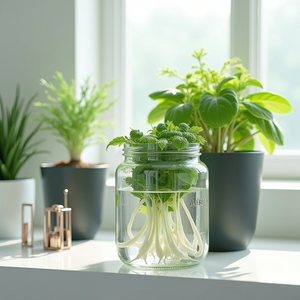
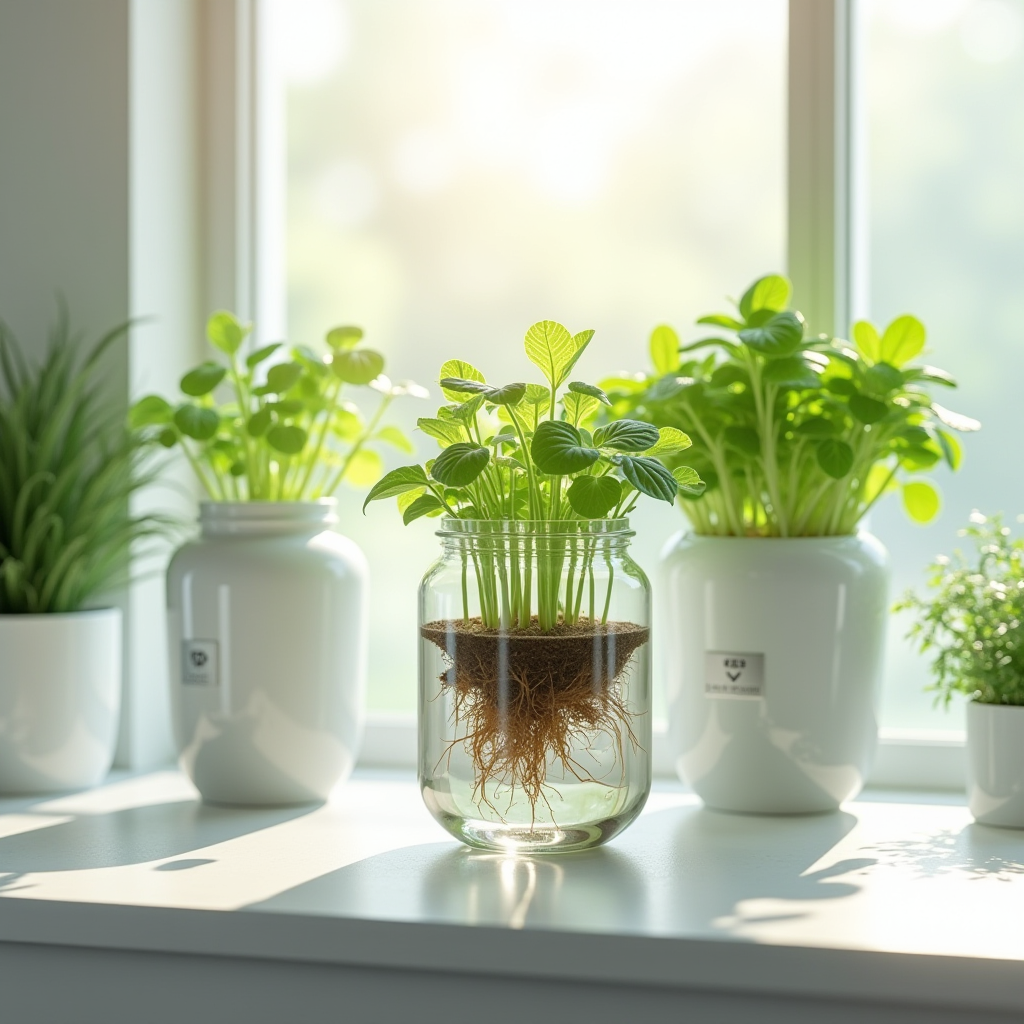
- Waterline management: Start with the solution touching the net pot. Then let the waterline fall naturally to create a 2-4 cm air gap so upper roots can breathe, exactly how non-circulating systems are designed in this University of Hawaii paper.
- Top-ups: When EC rises as water drops, top up with plain water to bring EC back into target. If you see tip burn, consider a light top-up with calcium nitrate solution while keeping overall EC steady.
- Algae control: Keep reservoirs opaque and lids tight. The Kratky method relies on a protected moist air space, as explained in this guide.
DWC (Deep Water Culture)
- Oxygenation: Use reliable aeration. DWC is active, unlike passive Kratky, as noted in this comparison.
- EC and pH stability: Because DWC lets you adjust daily, you can tighten EC in finish while holding pH stable at 5.8-6.2. Check morning and evening during head formation.
- Reservoir temp control: Keep 18-20 C to maximize dissolved oxygen and nutrient uptake.
5) Fast diagnostics and tweaks
- Leggy, soft leaves: Lower EC to 0.8-0.9, shorten photoperiod to 12-14 h, increase airflow, and raise K slightly.
- Bitter flavor or bolting signs: Drop room temp toward 18-20 C, reduce photoperiod, and keep DLI near 12-14. This short-day preference is why lettuce is best suited to Kratky and cool indoor setups, as several beginner guides note, including Epic Gardening and NoSoilSolutions.
- Tip burn: Add or maintain calcium nitrate, ensure gentle airflow, and keep VPD in the moderate band. Avoid sudden humidity spikes.
- pH drift: In Kratky, set pH carefully up front and use buffered nutrient formulas. In DWC, adjust daily if needed.
Proof points and references
- Kratky is a passive, non-circulating approach designed to create an air gap as the waterline falls, detailed in this University of Hawaii paper and summarized in Wikipedia.
- Beginner-friendly nutrient setups for lettuce using A+B plus calcium nitrate and magnesium sulfate are covered by Upstart University.
- Core Kratky practices and pH/EC monitoring are emphasized in this guide and this nutrient resource.
- Understanding VPD and using charts to set humidity-temperature pairs for steady transpiration is explained here: Autogrow VPD.
- Why lettuce and leafy greens excel in Kratky and how long days and warmth push bolting is covered in this overview.
Bottom line
Steer, don’t hope. Keep lettuce cool, keep VPD moderate, ramp K and EC gently into finish, protect the Kratky air gap, and give DWC roots the oxygen they demand. Do that, and your balcony and tent lettuce will stay compact, sweet, and harvest-ready faster.