Most growers think “smart” means set-and-forget. In reality, the right system is the one that matches your crops, space, and how much control you want.
The Big Question
If you want fresh herbs and vegetables year-round without wrestling with soil, a smart hydroponic system is the fastest path from seed to salad. The challenge is choosing a unit that balances automation, plant capacity, and flexibility to grow what you actually eat. Pods are convenient, but the system’s architecture is what drives consistent results.
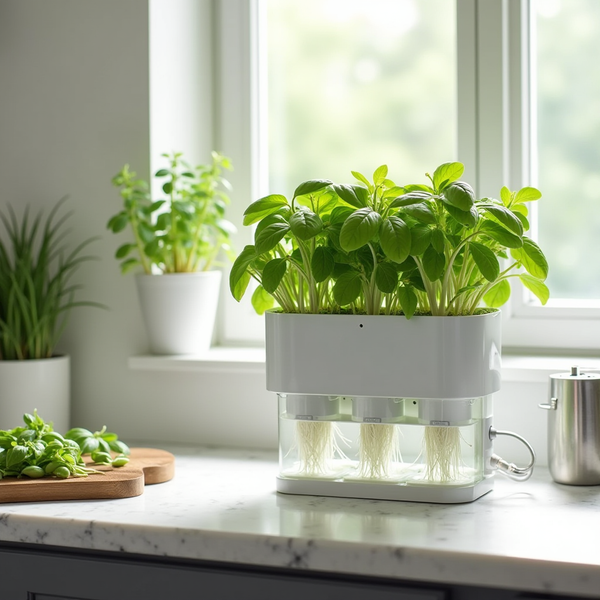
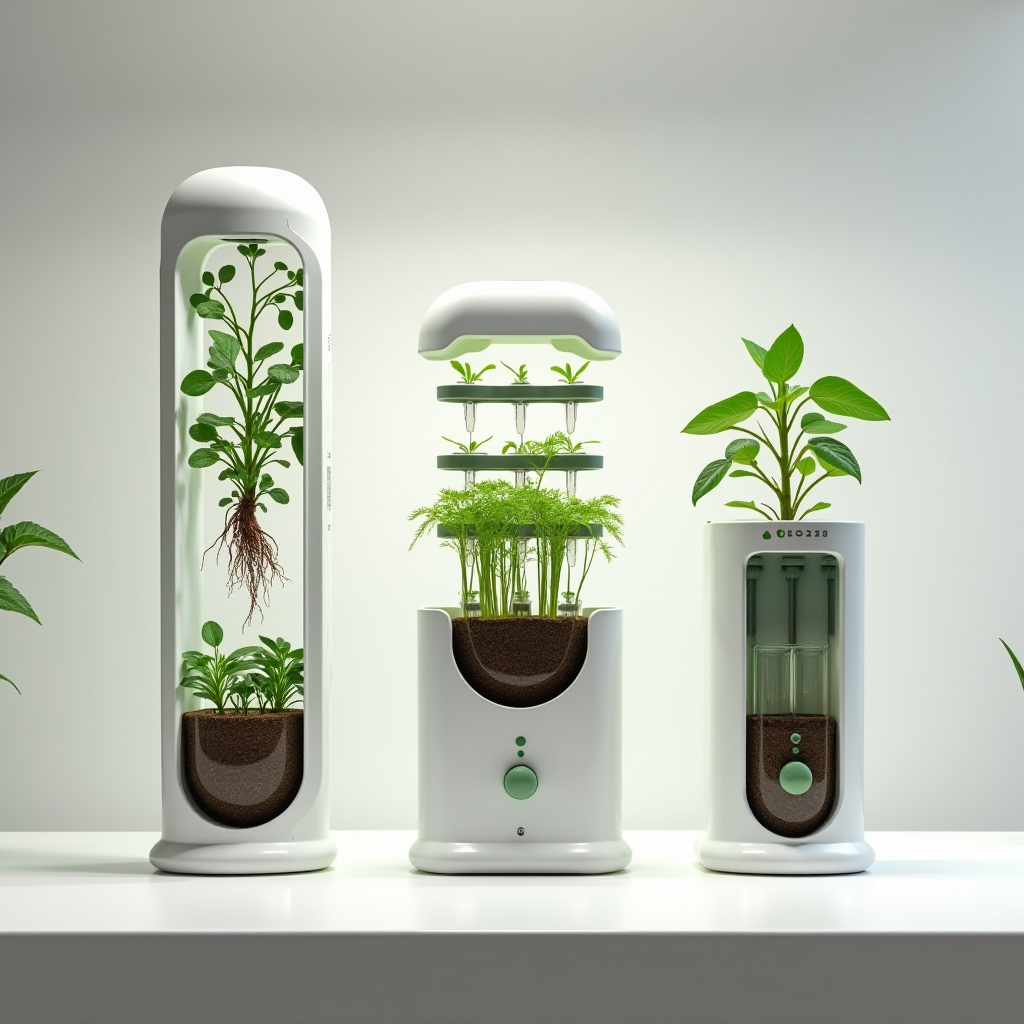
Here’s the core decision: countertop herb garden or higher-capacity vertical system. Countertop units like Click & Grow are simple and tidy, but they shine with basil, thyme, and mint, not tomatoes or peppers. Larger systems like Gardyn or AeroGarden’s Farm series give you real planting volume and more control, but they demand a dedicated space and a bit more stewardship.
If you cook daily and want a steady flow of greens, favor capacity and flexibility over gimmicks. Look for systems that let you plant your own seeds, adjust nutrients per crop, and avoid full lock-in to proprietary consumables.

What’s Really Going On
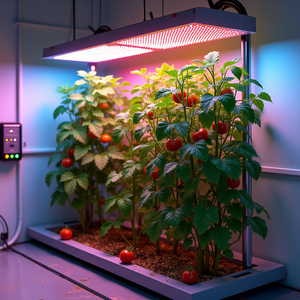
AeroGarden spans from tidy countertop models to the Farm 12XL and Farm 24XL. On the bigger units, dual water tanks let you run different nutrient recipes side by side for mixed plantings. That’s powerful for yields and crop diversity. The trade-off: footprint and practicality with big, fruiting plants indoors. Tomatoes still need hand pollination, and the large Farm units can dominate a room.
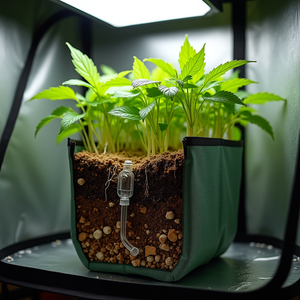
Click & Grow Smart Garden 9 (priced just under $300) and the 27-pod option are stellar for chefs who want herbs on demand. They use “smart soil” pods that are easy to handle and transplant, but they’re best for small plants. Users report the reusable pods can develop mold, and the platform behaves more like self-watering soil than a pure hydro system.
Gardyn steps up capacity with “space for 30 plants” and supports lettuces, herbs, and bushier veggies, plus berries. Pods are biodegradable and embedded with codes the system reads for tailored care tips, and you can plant your own seeds using rockwool. After the first month, a membership keeps automated alerts and watering humming, but you can opt out if you prefer manual management. Some users have flagged moisture-related pump corrosion, so plan for basic inspections and preventive maintenance. Rise Garden and LetPot offer modular layouts that fit small homes, with Rise doubling as functional furniture. source

Practical Steps
Start by listing your crops. If your diet leans heavily on greens, Gardyn’s capacity makes sense. If you’re mainly topping soups and pastas, Click & Grow keeps kitchen herbs compact and convenient. For mixed plantings, AeroGarden’s dual-tank Farm units let you tailor nutrients per bed, which reduces compromises across crops.
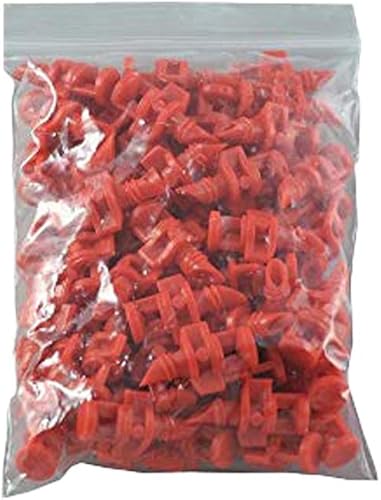
Prioritize systems that let you plant your own seeds and, when possible, use non-proprietary media. Gardyn accepts rockwool, which lowers long-term costs and opens variety. With Click & Grow, manage pod hygiene proactively to avoid mold and rotate pods frequently. On larger systems, plan for simple routines: weekly visual inspection for moisture around pumps and cables, wipe-downs, and quick checks of spray patterns or drippers.
Be realistic about fruiting crops indoors. Tomatoes and peppers can thrive, but expect to hand-pollinate and give them space. If your room is small, lean into lettuces, chard, mustard greens, celery, and strawberries, where smart systems tend to excel.
Pro Tips & Benchmarks
Capacity drives outcomes. Gardyn’s 30-plant layout delivers real harvest volume when you stagger sowing weekly. AeroGarden Farm 12XL and 24XL give you dual zones to separate heavy feeders from tender herbs. Click & Grow 9 remains a reliable herb engine for winter cooking without taking over your kitchen.
Automation is great, but don’t ignore maintenance. Memberships and apps can handle reminders and watering schedules, yet your eyes catch what sensors miss: minor leaks, condensation, or early pump wear. A quick weekly walk-through keeps systems running smoothly and avoids downtime.
Cost control matters over a full season. Systems that accept your own seeds and standard media reduce consumables spend. If you do rely on pods, buy in bulk, rotate often, and stay ahead of sanitation so performance doesn’t degrade.

As an Amazon Associate, I earn from qualifying purchases.