Quiet Hydroponics: How to Build a Sleep‑Friendly DWC/Aeroponics Garden
If your hydroponic garden sounds like a fish tank in a blender, it is not “just how it is” - it is lost sleep, ruined focus, and a system that is almost certainly wasting energy and stressing plants.
The good news: you can run Deep Water Culture (DWC), NFT, and aeroponics in a studio apartment and still sleep like a rock. You just need to treat noise like any other design variable: measure it, isolate it, and engineer it out without starving roots of oxygen.
This guide is for growers who want real yields in real small spaces: bedrooms, home offices, and quiet living rooms where a droning air pump is not an option.
The Problem: Hydroponics That Sounds Like a Machine Room
Every indoor grower has had some version of this moment: you get your bucket or aeroponic tote dialed in, plants are finally happy, then you lie down at night and hear it:
- The constant hum and rattle of an air pump on a hard floor.
- A submersible pump buzzing through a thin plastic reservoir.
- Waterfalls and splashing NFT returns that sound “refreshing” for 10 minutes and maddening after an hour.
- Inline fans and circulation fans whooshing just enough to keep you awake.
In a tent in the garage, this is just background noise. In a small apartment or a bedroom grow, it is a deal‑breaker, especially if you:
- Work from home and need quiet for calls and focus.
- Sleep in the same room as your DWC or tower garden.
- Share walls with neighbors who are not thrilled about a mysterious hum at 2 a.m.
Ironically, some of the noisiest setups are the ones that are trying hard to keep plants happy: oversized air pumps, high‑flow returns, aggressive aeroponics cycles. And a lot of “budget” pumps are cheap precisely because manufacturers cut corners on bearings, isolation, and housing, which all translate directly into noise.

The Cause: Where Quiet Hydroponics Actually Gets Loud
Hydroponic systems only make noise in a few specific ways. Once you break them down, it is easier to fix them without compromising plant health.
1. Air pump hum and vibration (DWC, RDWC, some NFT)
In DWC, an air pump and stones keep roots oxygenated and prevent anaerobic conditions. The problem is not the bubbles; it is the pump’s motor vibrating against whatever it is touching. That mechanical vibration travels through shelving, floors, and walls, amplifying the sound.
Most guides on quiet air pumps point out the same culprits: cheap diaphragms, unbalanced internals, and hard contact surfaces that act like soundboards as explained here. Even “quiet” pumps get loud if they sit directly on wood, metal, or an unpadded floor.
2. Submersible pump noise (NFT and aeroponics)
Submersible pumps in NFT and low‑pressure aeroponics are better isolated by water, but they still transmit vibration into thin plastic reservoirs. High‑pressure aeroponics pumps can be especially noisy because they run at higher pressures and rpm.
Improperly sized pumps can also cavitate (sucking air), which creates a gravelly buzzing sound. Tight bends and restrictions in the plumbing can make this worse.
3. Waterfalls, splashing returns, and thin‑wall plumbing
High, free‑fall returns make that classic “water feature” sound. Nice in a lobby, not next to your pillow. NFT channels dropping into a reservoir or aeroponic tower returns splashing from height can run at 50+ dB on their own.
Thin, uninsulated PVC and vinyl tubing can also carry pump noise like a stethoscope. Sharp angles and valves can whistle or hiss at higher flow rates.
4. Fans and environmental hardware
Even in a low‑tech Kratky or passive system, circulation fans and extractors are often the loudest items in the room. Cheap axial fans with poor bearings produce a harsh, high‑frequency noise that cuts through walls.
The result of all this: a grow that sounds louder than it needs to be, often because parts were selected for price and flow, not sound rating. Yet quiet air and water movement is entirely possible if you size and mount components properly. Silent‑focused air pumps and noise reduction tricks are now common talking points in hydro circles as this guide notes.
The Solution: Engineering Quiet DWC, NFT, and Aeroponic Systems
Here is how to build or retrofit your system so it runs quietly enough for a bedroom or office, without sacrificing oxygen or flow.
1. Pick the right system type for your noise tolerance
- Kratky / passive buckets - No pumps, no fans required if you use ambient room conditions and moderate plant densities. Perfect for ultra‑quiet lettuce and herbs. Your only sound source is you opening the lid.
- Low‑air DWC - Slightly oversized net pots and generous air gaps let you run smaller, quieter air pumps while still delivering good dissolved oxygen.
- NFT and low‑pressure aeroponics - Focus on smooth, low‑drop returns and properly sized submersible pumps to keep the soundtrack to a gentle trickle.
2. Specify silent or low‑noise components
Noise is easier to prevent than fix. When you are shopping parts:
- Air pumps: Look for units marketed as “ultra quiet” or “whisper quiet,” ideally with published noise levels under about 30 dB. Independent reviews of quiet air pumps repeatedly recommend rubber feet, double‑walled housings, and internal damping as key design features as highlighted here.
- Submersible pumps: Choose slightly oversized, low‑rpm units and run them at lower restriction. A pump that is not straining is quieter and lasts longer.
- Fans: Use quality PC‑style or mixed‑flow fans with ball bearings and speed control. Running at 40‑60% power instead of 100% can knock several decibels off.
- Tubing and plumbing: Use flexible silicone or thick vinyl tubing from pump to rigid plumbing to decouple vibration.
3. Vibration control: where most growers win or lose
Even quiet pumps get loud if you give them a solid surface to rattle on. You want to isolate and decouple every vibrating component:
- Place air pumps on foam, yoga mat offcuts, or dense rubber, not on bare shelves.
- Avoid mounting pumps directly on wood or metal frames. Use elastic straps or hang them with paracord instead.
- For submersible pumps, avoid hard contact with thin reservoir walls. Use suction cups or a small silicone mat under the pump.
- Route tubing so it does not press against tent poles, cabinet sides, or walls, which can all act as resonators.
Noise‑control guides for air pumps and similar small motors consistently stress vibration isolation as the easiest win: a simple pad or suspension can drop perceived noise dramatically as this article on pump noise explains.
4. Silence the water: returns, falls, and splashes
Water sound is almost entirely about height and impact.
- Submerge returns an inch or two below the reservoir surface instead of letting water fall from above.
- Use 45° elbows or gentle slopes in NFT returns instead of vertical drops.
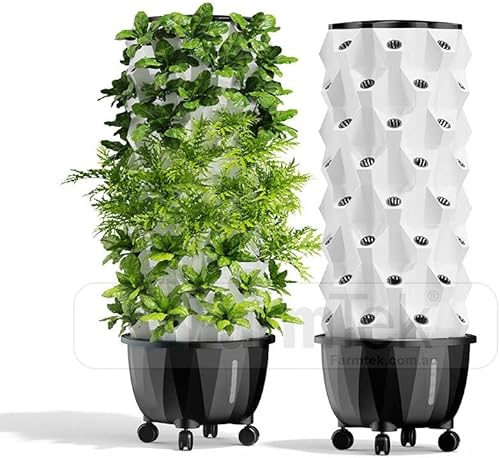
- For aeroponic towers, extend the return line below the surface so water quietly re‑enters instead of splashing.
- Add a floating foam pad, piece of plastic, or media bag in high‑agitation zones to break surface slap without restricting flow.
5. Operate smart: timers, duty cycles, and room layout
- DWC air: Most growers run 24/7, but if your reservoir is cool, roots are dense, and your pump is oversized, you may be able to experiment with short, cautious off‑periods when you are sleeping. Do this gradually and monitor roots closely.
- Aeroponics: Duty cycles are your friend. A typical low‑pressure cycle like 1 minute on / 4‑5 minutes off already cuts total pump runtime (and noise) significantly while keeping roots hydrated.
- Placement: Put the noisiest gear (air pump, main reservoir, manifolds) in a closet, hallway, or under‑desk cabinet rather than directly beside your bed or workstation.

The Evidence: Quiet Does Not Mean Starving Your Roots
There is a persistent fear among new growers that quieting a system will hurt plant performance. In reality, you are not trying to reduce oxygenation or flow, you are just eliminating wasted energy and resonance.
Dissolved oxygen and air pump sizing
DWC roots thrive at cool water temperatures (around 18‑22°C / 64‑72°F) with plenty of dissolved oxygen. A properly sized, efficient air pump running through clean stones can supply this without being loud. Quiet‑pump guides emphasize that the constant gentle flow of air is what matters for root health, not how aggressively the pump vibrates as described here.
Many “overbuilt” systems simply waste air. A moderate pump delivering consistent airflow usually hits the sweet spot between plant performance and noise.
Nutrient stability: pH and EC in quiet systems
You can run ultra‑quiet Kratky, DWC, NFT, or aeroponic setups and still maintain textbook nutrient conditions:
- pH: For most leafy greens and herbs, 5.5‑6.5 keeps nutrients available and uptake efficient. Regular monitoring with a handheld meter and small pH up/down corrections keeps things stable.
- EC: Light feeders like lettuce often thrive around 0.8‑1.4 mS/cm, while heavier feeders (tomatoes, peppers, basil) may prefer 1.6‑2.4 mS/cm depending on stage. Staying in these ranges prevents nutrient burn and deficiency while making sure your quiet system is still pushing solid growth, in line with standard hydroponic guidance for home systems like this overview.
In other words: noise and nutrient performance are not linked. You can absolutely have silent air pumps, cushioned submersibles, submerged returns, and still run textbook pH/EC, temperature, and oxygen.
When absolute silence matters: Kratky and passive hybrids
If your grow is in a bedroom and you want true zero mechanical noise overnight, lean into passive designs for part of your system:
- Run Kratky bins or jars for lettuce and herbs, with a separate, pumped system in another room for heavier feeders.
- Use self‑watering or sub‑irrigated planters for ornamentals if you just want greenery without any hum.
- Schedule noisy tasks (res top‑ups, mixing, pruning) for daytime and keep nighttime purely passive.
Modern quiet‑pump and noise‑control techniques came from the same place as a lot of our hydroponic best practices: growers needing to coexist with their systems in tight indoor spaces and refining gear over time as many quiet‑hydro guides point out. With the right parts and a bit of engineering, you can absolutely have a productive DWC, NFT, or aeroponic garden that sounds more like a library than a fish room.

As an Amazon Associate, I earn from qualifying purchases.