Sell Your Hydroponic Herbs to Stores: FSMA Produce Safety, Traceability, and Packaging Checklist (2025)
If your hydroponic basil looks gorgeous but your local retailer still says "come back when you're certified," it’s not your plants - it’s your compliance game that needs a nutrient boost.
The good news: you do not need to turn your basement DWC or balcony Kratky setup into a stainless-steel factory to sell to legit grocery stores, co-ops, and specialty markets. You do need to prove that your hydroponic herbs are safe, traceable, and consistently handled in a basic cold chain.
This 2025 checklist walks indoor and small hydroponic growers through the practical side of FSMA Produce Safety Rule expectations, GAP-style practices, traceability, and packaging for hydroponic basil and fresh herbs.
1. The Real Problem: Retailers Love Hydroponic Basil, But Hate Risk
Hydroponic basil and herbs are everywhere at produce shows. Buyers love the clean roots, long shelf life, and consistent quality. But the moment you talk about getting on their shelves, the questions start:
- "Do you follow the FSMA Produce Safety Rule?"
- "Do you have any GAP certification or third-party audit?"
- "Can you trace every clamshell back to a specific harvest date and tank?"
- "What temperatures do you hold your herbs at after harvest?"
Many small hydroponic growers hit a wall right here. You might have rock-solid pH, spot-on EC, and Instagram-worthy roots, but without basic documentation and cold chain habits, you look risky on paper.
The frustration usually looks like this:
- Retailers asking for food safety paperwork you have never heard of.
- Great-looking basil that wilts fast in stores because harvest and cooling are sloppy.
- No simple way to trace a problem clamshell back to a batch, reservoir, or harvest date.
- Confusion over whether FSMA Produce Safety even applies to hydroponics.
2. What’s Really Going Wrong (And It’s Not Your Nutrient Recipe)
Most hydroponic growers obsess over light, nutrients, and airflow. Retail buyers obsess over something else: risk and repeatability.
When a buyer hears "indoor hydroponic basil," they already like the idea. What scares them is:
- No written practices for cleaning reservoirs, harvest tools, or packaging surfaces.
- No worker hygiene rules (handwashing, illness policy, gloves, hair restraints).
- No water safety story for your nutrient solution and any water that touches the edible portion.
- No lot codes or harvest logs, so recall or traceback is impossible.
- No temperature control after harvest, so quality and shelf life are unpredictable.
From a regulatory and big-buyer perspective, those are red flags. Hydroponics reduces some contamination routes compared to soil, but it does not eliminate risk. FDA and extension resources on hydroponic/aquaponic produce safety highlight familiar issues: water quality, contact surfaces, and workers still matter just as much in a nutrient tank as in a field, as outlined in this hydroponic produce safety guide and FDA’s Produce Safety Rule guidance.
3. FSMA Produce Safety Rule Basics For Hydroponic Herb Growers
The FSMA Produce Safety Rule (PSR) sets minimum standards for growing, harvesting, packing, and holding produce. It applies based on your total produce sales and what you sell. Many small indoor farms are either:
- Fully covered by the rule (must comply).
- Qualified exempt (simplified requirements, but still some obligations).
Hydroponics does not automatically exempt you. If you are selling fresh hydroponic basil and herbs into commerce, your buyer will usually expect you to align with FSMA PSR whether or not you are formally inspected.
At a practical level, hydroponic herb growers should focus on five FSMA-style pillars, adapted from resources like NECAFS’ hydroponic safety materials here:
- Water quality - Know the source, treatment, and risks of any water that contacts the edible portion of the plant (for cut basil, that includes mists, rinses, or ice).
- Equipment and surfaces - Keep contact surfaces (channels, lids, harvest tables, knives, scissors, totes) cleanable, non-porous, and routinely sanitized.
- Worker hygiene - Training, handwashing, glove use, and a simple policy that sick workers do not harvest or pack.
- Growing environment - Manage pests, condensation, standing water, and general cleanliness in your grow room or greenhouse.
- Recordkeeping - Document what you do, especially water tests, cleaning, and harvest/pack details.
You do not need a 200-page food safety manual. A tight 10-20 page binder or digital SOP folder that actually matches what you do in your Kratky, DWC, or NFT system will make you look serious to buyers.
4. GAP Certification: When It Matters For Hydroponic Herbs
Good Agricultural Practices (GAP) certification is not a law; it is a market requirement. Some retailers will not onboard a new produce vendor without a recognized GAP audit. Others just want to see that you follow GAP-aligned practices.
For hydroponic basil and herbs, GAP or similar audits typically look at:
- Water testing and treatment.
- Cleaning and sanitizing schedules for channels, tanks, and tools.
- Worker training and hygiene.
- Traceability and recall readiness.
- Packaging area cleanliness and pest control.
If your target buyers are regional chains or higher-end grocers, ask them directly:
- "Do you require a GAP or other third-party food safety audit?"
- "If not, what minimum documentation do you need from a small hydroponic grower?"
Use their answers to size your effort. For many small indoor farms, a combination of FSMA-aligned SOPs, water testing, and simple traceability is enough to start local accounts. As you scale, GAP may become the next logical step, as suggested in industry-focused hydroponic basil guidance like this production guide.
5. Hydroponic System Design Choices That Help Food Safety
You can keep your grower brain happy and your buyer’s food safety brain calm by tweaking how you design and run your Kratky, DWC, and NFT systems.
5.1 Kratky Basil and Herbs
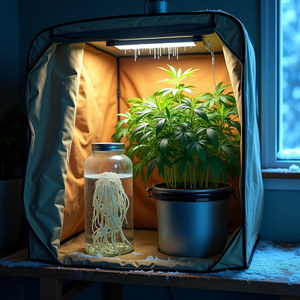
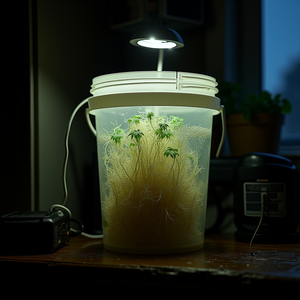
Kratky is simple and quiet, which buyers like. The main risk is stagnant solution if you leave systems running for long cycles without cleaning.
- Use opaque containers to limit algae growth and biofilm.
- Design your system so lids, rafts, and totes are easy to remove, scrub, and sanitize.
- Use food-grade plastics or materials intended for potable water.
- Drain and clean systems between crops rather than endlessly topping up.
5.2 Deep Water Culture (DWC)
DWC is ideal for fast, high-yield basil and herbs. With constant aeration and a large shared reservoir, the stakes are higher if contamination gets in.
- Keep airlines, diffusers, and lids on a cleaning schedule to manage biofilm.
- Standardize your nutrient recipes and keep batch records (date, EC, pH, additives).
- Keep solution temperatures in the 18-22 °C (65-72 °F) range to balance plant health and limit pathogen growth, in line with general hydroponic basil guidance like this overview.
- Limit traffic and clutter around open reservoirs to reduce contamination from tools and shoes.
5.3 NFT and High-Density Herb Channels
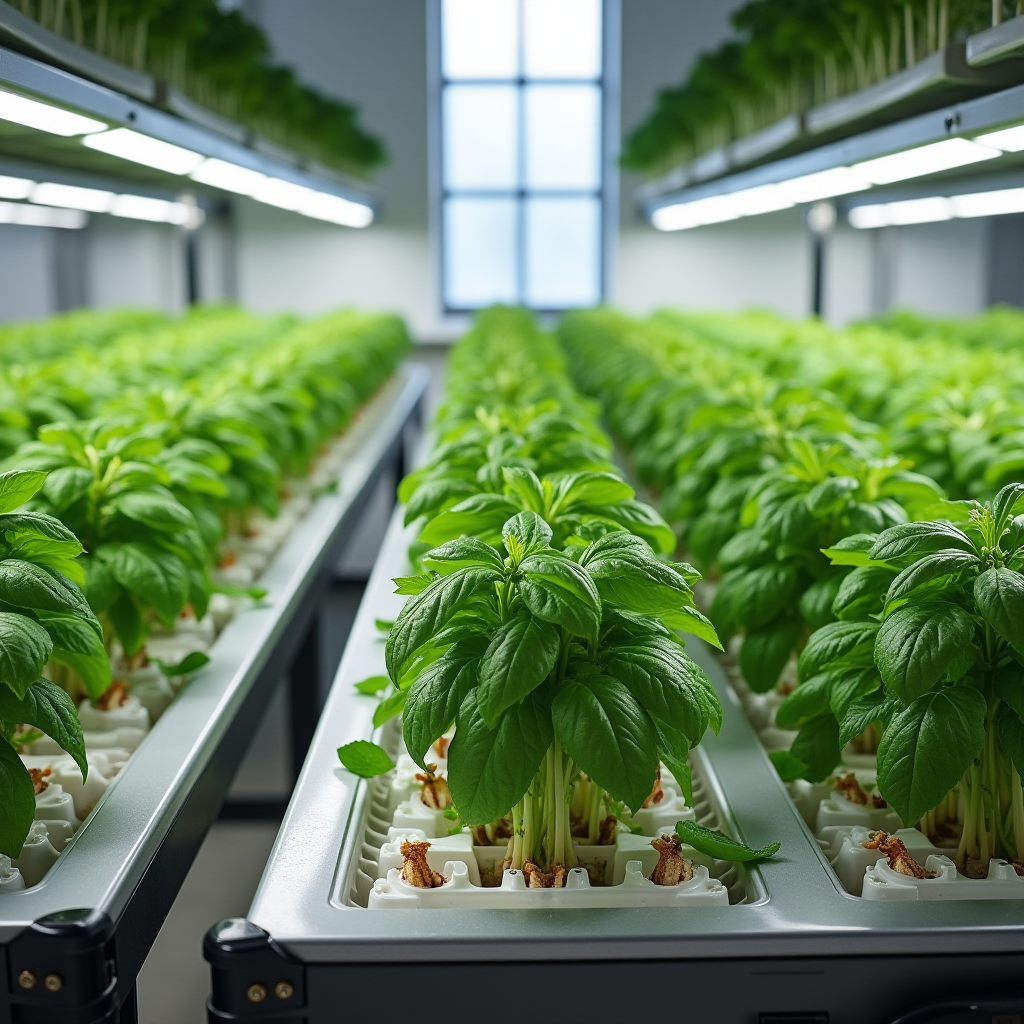
NFT channels can be very hygienic if they are smooth and accessible for cleaning.
- Choose channels that open fully or have removable covers.
- Rinse, wash, and sanitize channels between crops, especially if disease appeared.
- Keep roots from clogging returns to prevent standing water and slime.
6. Practical FSMA-Style Checklist For Hydroponic Herb Growers (2025)
Use this as a working checklist to bring your basil and herb operation up to retail expectations without overcomplicating your life.
6.1 Water Safety
- Identify your water source (municipal, well, rain, etc.).
- If you use well or surface water that could contact the edible portion, set up a basic microbial testing schedule for generic E. coli in line with FSMA guidance here.
- Keep a log of water tests, corrective actions (filter changes, UV, chemical treatment), and dates.
- Do not use reclaimed irrigation water as a final rinse for cut herbs unless you have validated treatment.
6.2 Cleaning and Sanitizing
- List all food-contact surfaces: channels, rafts, tanks, harvest tables, totes, shears.
- Write a simple cleaning SOP: rinse, wash with detergent, rinse, sanitize, air dry.
- Choose a sanitizer labeled for food-contact surfaces and follow concentration/contact-time instructions.
- Record when you clean each major piece of equipment (weekly/monthly logs are usually enough for small systems).
6.3 Worker Hygiene
- Provide a dedicated handwashing sink or station near the pack area.
- Train everyone in when and how to wash hands (before harvest/packing, after restroom, after breaks).
- Use single-use gloves for harvest and packing, and change them if they get dirty or torn.
- Set a basic illness policy: no one with vomiting, diarrhea, or flu-like symptoms handles herbs.
6.4 Growing Environment and Pest Management
- Seal the grow room or greenhouse reasonably well to limit animals and birds.
- Keep floors and walkways dry and uncluttered to reduce slips and dirty splashes.
- Use sticky cards and physical controls for pests; keep any chemical controls away from harvest and packaging zones.
7. Traceability That Works For Kratky & DWC Growers
Traceability is not complicated; it is just consistent identifiers and basic records. Your goal: if the store calls about one clamshell, you can identify:
- Harvest date and crew.
- System or reservoir (e.g., DWC Tank 2, NFT Line A).
- Lot or batch of seed and major inputs.
7.1 Build A Simple Lot Coding System
Create a lot code printed on each label or written on the case. For example:
- 2503-B2 = Year 2025, Week 03, Basin/Bed 2.
- 25-0120-NFT1 = Year 2025, Jan 20 harvest, NFT line 1.
Whatever you choose, stick with it and document it.
7.2 Minimal Records You Should Keep
- Seeding log: date, variety, tray/system, seed lot.
- Transplant log: date, system (Kratky/DWC/NFT), location, expected harvest window.
- Harvest log: date, system, person, lot code, volume harvested.
- Sales log: lot code, customer, date, quantity.
This lets you do a functional recall: you can say exactly which stores got which lots and which systems they came from, which aligns with the traceability expectations many buyers now have for fresh herbs.
8. Packaging Hydroponic Basil & Herbs For Retail
Packaging has to work for food safety, shelf life, and merchandising. Hydroponic herbs already have an advantage: roots often stay cleaner, and plants are typically more uniform, as discussed in hydroponic basil guides like this one. Use that to your advantage.
8.1 Choose The Right Pack Style
- Cut herbs in clamshells: most common for basil, mint, cilantro, etc.
- Living herbs with roots: sold in cups with a bit of nutrient solution or gel, often with better shelf life and visual impact.
- Bulk bunches: tied bunches in lined boxes for foodservice accounts.
Whichever format you pick, standardize it. Buyers like predictable case packs and label placement.
8.2 Labeling Essentials (Retail & Traceability)
At minimum, your retail label should include:
- Product name (e.g., "Genovese Basil").
- Net weight or count.
- Grower or brand name, city, state.
- "Hydroponically grown" (many buyers want this called out).
- Lot code or packed-on date.
- Storage instruction: "Keep refrigerated" for cut herbs, or "Keep cool, avoid cold damage" if living basil.
Check local and national labeling rules for any extra requirements in your market.
8.3 Packaging Area Setup
- Keep a dedicated clean packing table separate from propagation and nutrient mixing zones.
- Use easily cleanable surfaces like stainless steel or food-grade plastic.
- Store empty clamshells and labels in closed bins or shelves away from dust and splashes.
- Clean and sanitize tables and tools before each packing session and record it.
9. Cold Chain For Hydroponic Herbs: From Harvest To Store Shelf
Hydroponic basil can look bulletproof in your grow room, then crash in the store if you mishandle temperature. The cold chain is not complicated, but basil is picky: it hates both heat and too much cold.
9.1 Know Basil’s Temperature Sweet Spot
- Basil prefers storage temperatures around 10-13 °C (50-55 °F) to avoid chilling injury while still slowing decay. Many hydroponic basil guides note basil’s sensitivity below 50 °F, such as this Kratky basil resource.
- Other herbs (parsley, cilantro) tolerate colder storage, often 0-5 °C (32-41 °F). If you mix herbs in the same cooler, design around basil’s limits or separate SKUs.
9.2 Design A Basic Herb Cold Chain
- Harvest timing: Harvest during the coolest part of your indoor day or early morning to reduce field heat.
- Pre-cool quickly: Get herbs into a temperature-controlled space as soon as possible after cutting and packing.
- Hold at a target range: For basil, aim for 50-55 °F; for harder herbs, follow their optimal ranges.
- Monitor and log: Use a simple min/max thermometer or data logger in your cooler and keep temperature records.
- Transport: Use insulated containers or refrigerated delivery for longer runs; avoid direct sun and hot vehicles.
A consistent cold chain can easily double the marketable life of basil compared with room-temperature storage. That is revenue saved and shrink reduced for your buyer, which makes you valuable.
10. Turning Your Hydroponic Herbs Into A Retail-Ready Brand
Bringing it all together, you want your local produce buyer to see your indoor basil operation as a reliable mini-supplier, not a hobby project. To do that, keep your focus on three big wins:
- Visible food safety habits: Written SOPs, cleaned systems, trained workers, and logged water tests.
- Simple, robust traceability: Lot codes on every pack and clear records linking seeds to stores.
- Stable quality through cold chain: Correct harvest, packing, and storage temperatures for basil and other herbs.
You can still run Kratky buckets, DWC tubs, and NFT channels in a spare room or small greenhouse. You just need to run them with the mindset that every clamshell is a food product heading into public circulation.
Dial in your FSMA-style practices now and you will be ready when your hydroponic basil stops being "the cool local product" and starts being "the herb program anchor" for your favorite store.