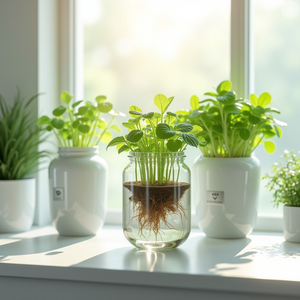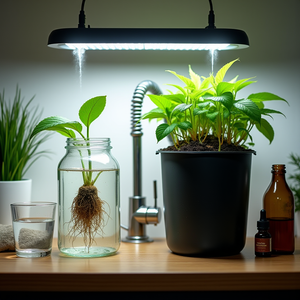
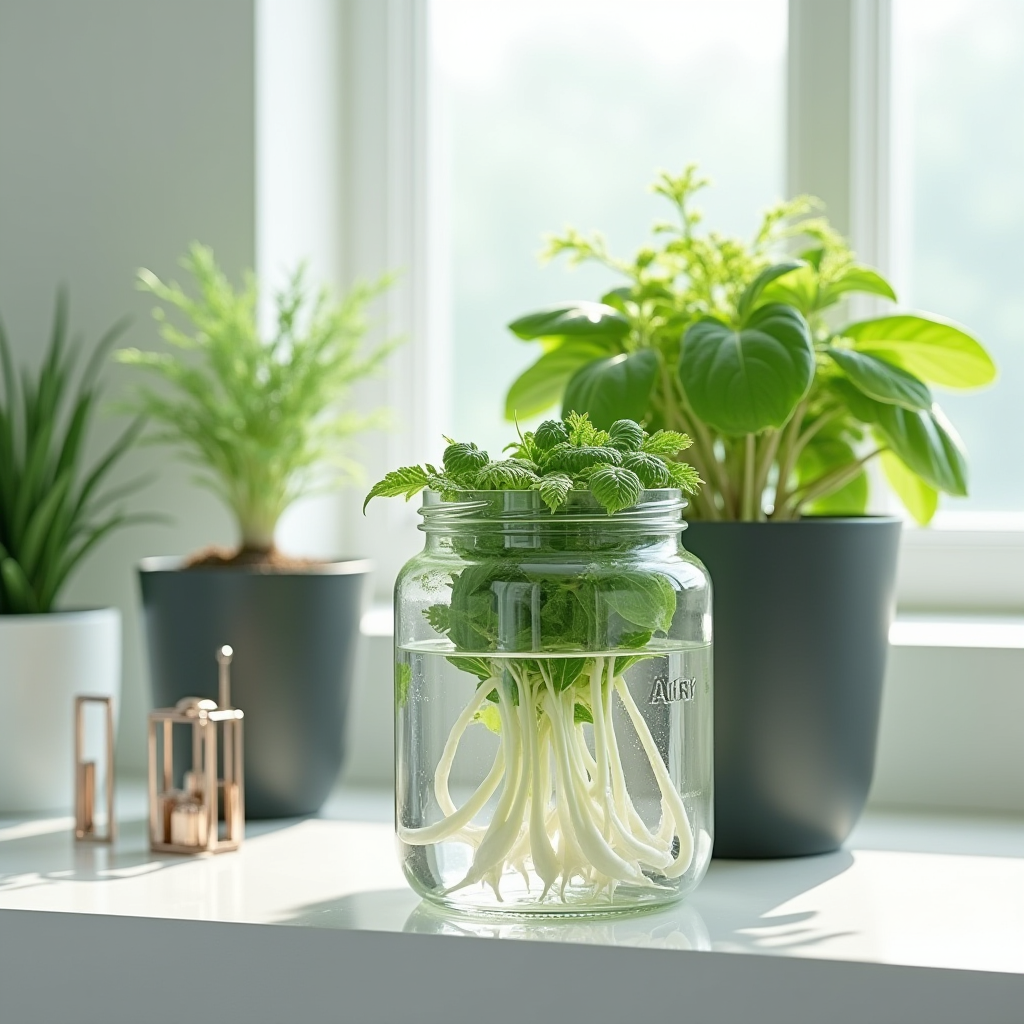
If your Kratky lettuce tastes like sadness, it’s not the variety - it’s a warm, bright reservoir and starved roots begging for oxygen. The good news: you can prevent root rot and keep passive systems crisp by dialing in three levers that matter most - the air gap, light exclusion, and solution temperature. No pumps, no drama.
The problem
Passive setups like Kratky are infamous for green soup and brown, slimy roots. Plants stall, wilt under lights, and leaves go bitter. If your reservoir smells funky or your roots look like wet noodles, you’re flirting with Pythium - the classic hydroponic root rot culprit.
The cause
Kratky relies on a controlled air gap instead of an air pump. When the reservoir is warm and exposed to light, dissolved oxygen drops, algae blooms, and pathogens like Pythium find an easy home. Roots sitting in stagnant, poorly oxygenated solution cannot breathe or defend themselves. In short: warm water, light leaks, and a missing air gap equal rot.
In Kratky, the water line starts near the net pot and falls as the plant drinks, creating a zone of moist air for oxygen. If that air gap never forms, if the reservoir leaks light, or if solution temps climb, the system tilts toward disease. As noted in this guide, Kratky is simple - but the air gap is the entire aeration strategy. And as explained in practical root rot rundowns like this overview and this guide, oxygen and temperature management are non-negotiable.
The solution
Here is how to tune a Kratky setup for oxygen, darkness, and cool solution - the trifecta that keeps Pythium out.
1) Design the air gap for oxygen
- Start level: Fill so the solution just kisses the bottom of the net pot or wicks into your media. This gives young roots immediate access while they explore downward. See fundamentals in this Kratky primer.
- Target gap for leafy greens: Aim for a mid-cycle air gap of about 1-2 inches for lettuce and basil. Too small and roots drown; too large and upper roots dry out. Adjust by initial fill volume and reservoir depth.
- Reservoir volume matters: Choose a container that will drop the water line gradually over the crop cycle without needing to top off. A deeper reservoir creates a more stable falling curve and a consistent air gap.
- Root zone geometry: Keep the neck around the net pot tight to minimize light entry, but allow enough interior width so roots can fan out. A tall, opaque tote or bucket with a snug lid is ideal.
2) Exclude light completely
- Opaque materials: Use food-safe, opaque reservoirs. Paint clear plastic with two coats of matte black followed by a white or silver outer coat for heat reflection. Light leaks feed algae and biofilm that steal oxygen, as noted in this root rot explainer.
- Lid discipline: Tight-fitting lids, foam or neoprene collars, and aluminum tape around net pot openings stop stray light. Cover tubing holes and grommets.
- Surface blackout: Any visible solution surface will grow algae. If you must leave inspection ports, cap them when not in use.
3) Keep the solution cool
- Hit the sweet spot: Maintain hydroponic solution temperatures around 18-22 C. Warmer water holds less oxygen and favors Pythium. Practical ranges are summarized in this guide and this overview.
- Passive cooling tricks: Place reservoirs on a cool floor, use reflective lids, shade from direct sun, insulate with foam, and drop in frozen water bottles during heat spikes. Keep bottles sealed to avoid dilution.
- Room management: Run lights during cooler hours, ventilate at night, and avoid window sills that heat the solution.
4) Keep a clean microbial profile
- Sanitize between runs: Rinse with a dilute hydrogen peroxide solution or a light chlorine wash, then flush with clean water. Clean net pots, collars, and tools. Practical cleaning approaches are covered in this prevention guide.
- Fresh solution only: Do not recycle old nutrient solution in passive systems. Stagnant carryover equals pathogen carryover.
- Optional bio-support: Some growers add beneficial microbes to compete with pathogens. If you do, keep temperatures cool and light excluded so the biology works in your favor, as noted in this summary.
5) pH and EC that reduce stress
- Lettuce and basil targets: pH 5.8-6.2, EC 0.8-1.2 mS/cm for lettuce; 1.2-1.8 mS/cm for basil. Stable nutrition reduces stress responses that make roots vulnerable. See general ranges referenced in this overview.
- Monitor drift: Kratky solutions are static, so pH can swing as plants uptake different ions. Check weekly and adjust gently with pH up/down.
Evidence and quick guardrails
- Warm solution = lower oxygen: Dissolved oxygen drops as temperature rises, and passive systems do not add air mechanically - that is why the air gap matters. The risk pattern and fixes are consistent across hydro guides like this and this.
- Opaque reservoirs reduce algae blooms: Light exclusion cuts the oxygen drain from algae and biofilms, improving root respiration and disease resistance, emphasized in this explainer.
- The Kratky air gap is the aeration strategy: As highlighted in this Kratky method guide and this overview, a shrinking water line creates the oxygen zone. If the gap is missing, roots suffocate.
Balcony and indoor tweaks
- Balcony heat plan: Use double-walled, opaque totes, reflective lids, and midday shade cloth. Keep a couple of frozen bottles ready for hot afternoons.
- Apartment lighting: If your grow lights run hot, elevate reservoirs off warm surfaces and stagger light cycles to cooler parts of the day.
Fast troubleshooting
- Brown, slimy roots: Swap solution, increase air gap to 1-2 inches, blackout the lid, and cool the reservoir.
- Green film or smell: Blackout the reservoir, sanitize collars and lid, and refresh solution.
- Wilting under good light: Check solution temperature and pH. Cool to 18-22 C and correct pH to 5.8-6.2 for lettuce.
The bottom line
Kratky grows are incredibly reliable when you protect oxygen and keep pathogens in check. Build an air gap that breathes, make your reservoir light-tight, and keep the solution cool. Do those three things and your passive lettuce and herbs will stay crunchy, clean, and pump-free.