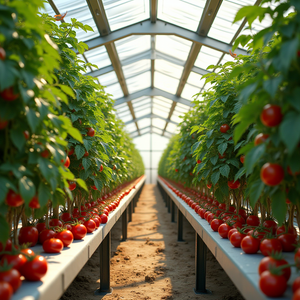
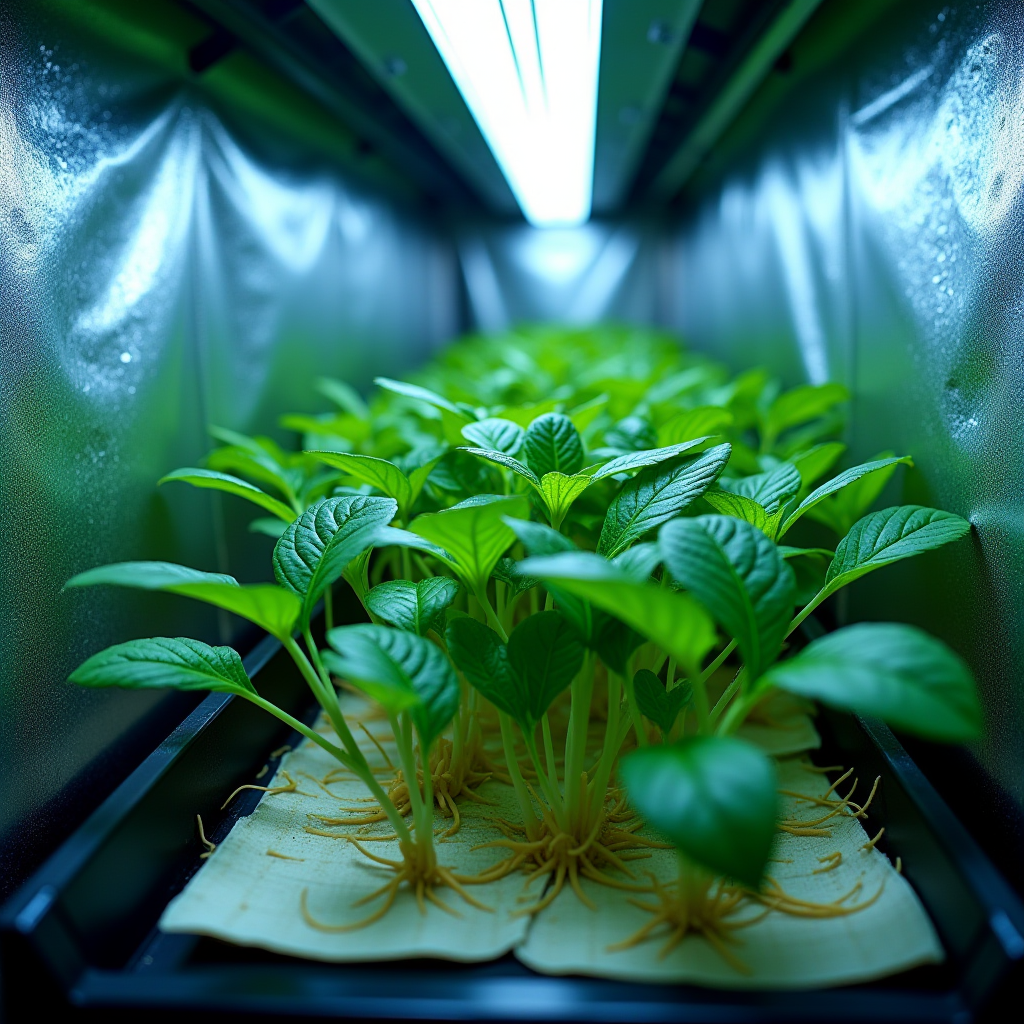
Indoor Hydroponics Air Quality Guide: Stop Synthetic Fragrances, Control VOCs/Ozone, and Protect Yields
The Problem: Your Grow Room Smells “Clean” But Plants Say Otherwise
“Clean” smelling rooms are quietly wrecking hydroponic yields. Plug-in air fresheners, scented candles in the next room, ozone-based “purifiers,” and “fresh linen” sprays all feel harmless. In a sealed indoor grow or a tight balcony tent, they are not.
Synthetic fragrances and ionizer/ozone air cleaners spike volatile organic compounds (VOCs) indoors, sometimes to many times higher than outdoors, as highlighted in recent coverage on fragrance pollution and in the U.S. EPA’s VOCs and indoor air quality overview. In a controlled-environment farm, those same VOCs and any ozone in the air are another stress variable alongside light, EC, and climate.
You will not see it on your nutrient bottle, but you’ll see it on your plants:
- Mysterious bronzing or speckling on upper leaves while EC, pH, and VPD look fine
- Slow, uneven growth in DWC or NFT despite perfect root zones
- Strange sensor drift on CO2, VOC, or leaf temperature probes
- Workers complaining of headaches or irritation after “freshening” the room
This guide is a practical IAQ (indoor air quality) plan specifically for grow rooms and indoor hydro setups. We will focus on contaminant control, not climate or fertigation: banning fragrances and ozone devices, specifying MERV-13/14 and activated carbon, verifying outdoor air per ASHRAE 62.1, monitoring TVOC and ethylene, and choosing low-VOC materials and cleaners.
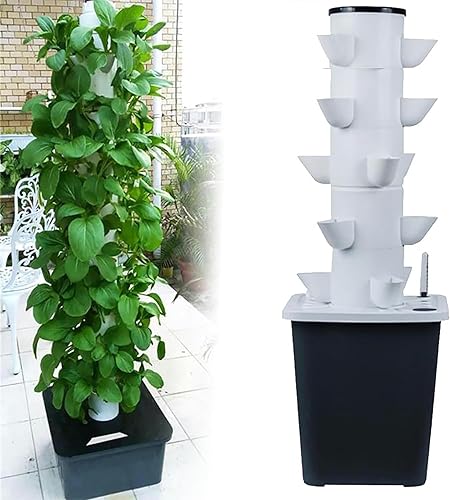
Common IAQ Mistakes In Indoor Hydroponic Spaces
1. Treating air fresheners as harmless “background” products
Consumer air fresheners, scented oils, sprays, and candles emit complex mixtures of VOCs such as limonene and other fragrance compounds. Investigations into synthetic fragrances show that these products can raise indoor VOCs to levels that aggravate lungs and airways, even when used “normally” in homes and offices, as reported in this article on fragrance and indoor air.
In a grow room, those VOCs do not just affect people. They can react with ozone and other oxidants to produce secondary pollutants that stress plant tissue and potentially interfere with optical sensors and VOC monitors.
2. Using ionizer or ozone “purifiers” near plants
Ozone generators marketed as “purifiers” are a known IAQ risk. The California Air Resources Board catalogues them as ozone-emitting air cleaners, and notes that ozone can irritate lungs at levels below the odor threshold. Your plants have zero PPE: leaf surfaces are the first to take the hit.
Ozone is highly reactive. At levels that might still be “legal” for occupancy, it can cause leaf stippling, bleaching, reduced photosynthesis, and overall stress. Combine that with high light in a DWC or NFT canopy, and you are stacking oxidative stress without realizing it.
3. Ignoring VOCs because “we have fans running”
Fans move air; they do not remove contaminants. VOCs are gases. They recirculate within the room unless you dilute them with outdoor air or remove them with sorbent media such as activated carbon. The EPA notes that indoor VOC levels are often two to five times higher than outdoors in typical buildings, and can be higher in some cases, as summarized in this EPA VOC overview.
Recirculating fans in a tent or a climate-controlled flower room just keep VOCs well mixed. Good for temperature uniformity, not enough for contaminant control.
4. No standards-based ventilation target
Plenty of small indoor farms run with a sort of “guesswork” ventilation rate: a random inline fan size, one duct to outdoors, and hope. ASHRAE 62.1 exists precisely to avoid that. It sets minimum outdoor air rates and IAQ procedures for commercial and institutional buildings, including spaces where contaminants are generated indoors. The standard itself is not written for “indoor farms” specifically, but its framework is exactly what you want for an enclosed grow. See the base requirements in ASHRAE Standard 62.1.
5. Overlooking ethylene and other plant-active gases
Ethylene is a plant hormone gas that drives ripening, senescence, and some stress responses. In greenhouses and closed indoor farms, ethylene from combustion heaters, stressed or wounded plants, or ripening produce can accumulate enough to damage crops. The UMass extension note that even very low concentrations can cause leaf abscission, distorted growth, and flower drop in sensitive crops, as detailed in this fact sheet on ethylene damage.
Ignore it in a dense NFT lettuce system or a vertical herb rack and you can get premature yellowing and reduced shelf life, even when your nutrients and light are on point.

Why These IAQ Mistakes Happen In Grow Rooms
1. Smell-as-safety bias
Most people use scent as a proxy for cleanliness. No smell is “stale,” strong perfume is “fresh.” Synthetic fragrance products are built around that bias. The problem: VOCs that give you that fresh laundry smell are the same compounds that degrade indoor air quality and can react in the air to create secondary pollutants, as outlined in the EPA’s VOCs overview.
As growers, we often over-correct: we scrub plant odor, then try to “fix” the neutral smell with plug-ins or sprays in the same building. The room feels better; the plants do not.
2. Confusing particulate filtration with gas-phase control
Standard dust filters (MERV 8, basic pre-filters) are great for spores and particles, not gases. VOC molecules are far smaller than dust. Without activated carbon or another sorbent, a filter bank can hit its rated MERV and still pass most VOCs straight through. That is why serious IAQ setups use a combination:
- MERV 13-14 (or better) for fine particles
- Activated carbon or other adsorbent media for VOCs and odors
Studies on indoor air purification show that activated carbon and similar sorbents can substantially reduce VOCs by adsorption, especially when sized correctly for airflow and contact time, as shown in work like this VOC purification study using carbon-based media.
3. Overemphasis on nutrient-side troubleshooting
Hydroponic growers are trained to look down: roots, EC, pH, DO, temperature. Air often gets reduced to “make sure there is enough CO2.” So when a Kratky basil run shows leaf bronzing, or a DWC lettuce table develops odd edge burn while EC and pH are stable, most people blame nutrients or micro deficiencies, not airborne contaminants.
Yet air-phase pollutants can be the missing stressor, especially ozone, high TVOC from fragrances, or ethylene from nearby combustion sources.
4. Underestimating how sealed our rooms really are
Modern homes and small indoor farms operate more like vessels than sheds. Tight construction, insulated tents, plastic sheeting, and closed windows all keep your climate efficient but also trap VOCs. As summarized in several IAQ reviews, indoor VOC levels in tight buildings regularly exceed outdoor levels by several multiples, especially when sources like paints, sealants, and cleaning chemicals are in play.
Your grow room is not a greenhouse with leaky walls. It is closer to a cleanroom with nutrient tanks.

How To Fix IAQ In Indoor Hydroponic Rooms
1. Hard ban on synthetic fragrances and ozone devices
This is non-negotiable in any serious production room:
- No plug-in air fresheners, scented candles, sprays, or reed diffusers anywhere sharing air with the grow
- No ozone generators in or near spaces where plants or people are present
- No ionizer-based “purifiers” inside the tent or room with the crop
Post this in your SOPs and onboarding: “No fragrances or ozone devices in production spaces. Fragrance-free personal care products only inside grow zones.” Back it up at the door like you would hairnets in a food facility.
2. Design filtration for both particles and VOCs
For most indoor hydro rooms, a robust IAQ setup looks like this:
- Primary particle filter: MERV 13 or 14 on the main air handler or inline filter box to capture fine particles
- Gas-phase filter: activated carbon canister or panel rated for your airflow, placed where all recirculated air passes through it
- Pre-filter: cheaper MERV 8 pre-filter upstream to protect the finer filter and carbon
Key sizing points:
- Match filter size and rating to fan CFM so you are not choking airflow
- If you use carbon can-filters, respect their rated CFM and change-out interval; exhausted carbon is just a heavy tube
- Place carbon where it sees the highest contaminant load: usually on return air from the grow space
In a tent or balcony rig, this might be a 4- or 6-inch carbon can inline with your exhaust. In a room-scale farm, think HVAC rack with carbon panels or canisters in the return plenum.
3. Verify outdoor air against ASHRAE 62.1
You do not need to be a mechanical engineer to borrow ASHRAE 62.1 logic. At minimum:
- Know your room volume (length × width × height)
- Target at least several air changes per hour with true outdoor air into the space, adjusted for occupancy and plant load
- Make sure outdoor air has a defined pathway in, through filters, not just “whatever leaks through the door”
Use the IAQ and ventilation framework in ASHRAE 62.1 as your reference: you want enough outdoor air to dilute internally generated contaminants (VOCs, CO2, ethylene) while still keeping climate manageable.
For smaller grows, a simple but effective approach:
- Inline fan pulling filtered outdoor air into the lung room or grow space
- Balanced or slightly negative pressure to prevent odor leaks
- Exhaust routed outside, not into the same building volume
4. Monitor TVOC and ethylene instead of guessing
You already log EC, pH, and water temperature. Add air metrics:
- TVOC sensor: a mid-range IAQ monitor showing total VOC (TVOC) trends is enough to catch spikes from cleaners, paints, or fragrance use
- Ethylene monitoring: for commercial or high-value crops, install an ethylene sensor or send air samples when you see unexplained flower drop or leaf yellowing, following the logic in this UMass greenhouse ethylene guide
- CO2 + O3 considerations: if you are experimenting with unfamiliar “purifiers,” at least confirm they are not emitting ozone by checking manufacturer data and, if possible, with a low-level ozone sensor
The goal is not to chase perfect ppb targets. It is to know when your indoor chemistry changes so you can tie it back to events: new paint, new cleaner, someone plugging in an air freshener in the adjacent office.
5. Choose low-VOC building products, sealants, and cleaners
Every surface and chemical in your grow can be either neutral or a VOC source:
- Sealants and paints: pick low- or zero-VOC formulations for walls, floors, benches, and NFT/DWC support structures
- Caulks and adhesives: look for low-VOC products and give them full cure time before you bring plants back in
- Cleaners and disinfectants: choose low-odor, non-fragranced products; avoid scented bleach alternatives and “fresh scent” detergents in the grow room
After any major painting or sealing, vent the room hard with maximum outdoor air and carbon filtration before reintroducing plants. Treat it like off-gassing a new grow tent, but for the entire room.

What To Watch Long-Term: Benchmarks, SOPs, And Red Flags
1. Benchmarks for a “clean” hydroponic air profile
Target ranges will vary by sensor, but as a working grower’s benchmark:
- TVOC: stable, low baseline with no sudden unexplained spikes during the day
- CO2: tracking your injection and occupancy pattern; no unexpected dips or jumps
- Smell test: neutral, slightly planty is fine; perfume, solvent, or chemical “fresh” odor is a red flag
If you switch on a fan or open an adjacent door and the grow room suddenly smells like fabric softener, perfume, or cleaners, you have an IAQ problem, not a ventilation success.
2. Crop symptoms that point to IAQ issues
Watch for these patterns when nutrients, pH/EC, and climate are controlled:
- Leaf speckling or bronzing on the top canopy closest to air inlets or ozone devices
- General chlorosis or early yellowing across multiple DWC/NFT lines with no EC change
- Flower drop, bud abortion, or distorted new growth in sensitive crops (classic ethylene signs)
- Root systems look perfect, but yields lag behind similar runs
When you see these, add “IAQ event?” to your troubleshooting log: any recent painting, new cleaners, change in air purifier, or fragrance products in adjoining spaces.
3. IAQ SOPs for hydroponic facilities
Codify IAQ into your facility playbook just like sanitation or fertigation:
- Written ban on fragrances and ozone/ionizer devices in production areas
- Schedule and log for replacing MERV filters and carbon media
- Commissioning checklist for ventilation: verify outdoor air paths, flows, and filtration
- Incident log: any IAQ events (spills, painting, nearby construction) tied to crop observations
For multi-room or multi-tenant buildings, include IAQ clauses in leases or internal agreements so no one installs a “fresh air” ozone box in the corridor outside your flower room.
4. Integrating IAQ with hydro system design
Your IAQ plan should be tuned to your hydroponic system type:
- Kratky and passive tubs: low airflow at plant level means volatile contaminants can linger around the canopy; prioritize clean makeup air and carbon filtration
- DWC: high dissolved oxygen and strong growth make plants more responsive to aerial stress; do not negate that advantage with ozone or high TVOC
- NFT and vertical racks: stacked canopies sit closer to ductwork and lights; watch for ozone or VOC damage appearing first on the top tiers near air hardware
Design IAQ as part of the system, not an afterthought. The same way you spec pump size and reservoir volume, you should be specifying filter types, fan sizes, and outdoor air routes.
Bottom Line
If your indoor hydroponic space runs tight on climate but loose on IAQ, you are leaving yield and consistency on the table. Synthetic fragrances, ozone “purifiers,” and high-VOC cleaners have no place anywhere near production rooms. Build your plan around:
- Fragrance-free, ozone-free policy
- MERV 13/14 plus activated carbon filtration sized to your airflow
- Outdoor air verification using ASHRAE 62.1 logic
- TVOC and ethylene monitoring for early warning
- Low-VOC materials, sealants, and cleaners throughout the facility
When you control contaminants in the air as tightly as you control EC and pH, your Kratky bins, DWC buckets, and NFT channels will show it in faster growth, cleaner foliage, and more predictable harvests.
As an Amazon Associate, I earn from qualifying purchases.