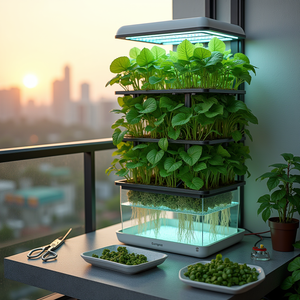
Hydroponic Dissolved Oxygen Guide: Air Stone Maintenance, Venturi Alternatives, and DO Targets to Prevent Root Rot
“Air stones run out after a few months.” No, they don’t. They clog, they foul, and your dissolved oxygen crashes long before the stone is “dead.” In warm weather that is the fastest route to brown, slimy roots and pythium problems.
This guide is your focused playbook for hydroponic dissolved oxygen (DO) management as temperatures climb: realistic DO targets by system, how to maintain or replace air stones before they become a bottleneck, and when it is smarter to move to venturi injectors, microbubble discs, or low-shear circulation.
1. Common DO & Aeration Mistakes In Warm-Season Hydroponics
1.1 Treating air stones as “set and forget” hardware
Most growers install an air pump and a couple of stones, see some bubbles, and tick aeration off the list. Weeks later, growth slows, roots tint beige, and the air pump is buzzing harder just to push air through biofilm-clogged stones. As this explainer on air stone performance notes, stones do not “run out” of air; their pores simply load up with organic matter and precipitates, increasing backpressure and reducing bubble output.
In practice that means:
- 20–50% less air actually reaching the water.
- Larger, lazier bubbles that transfer less oxygen.
- Hotter air pump operation and shorter pump life.
All while your plants are bigger, roots are denser, and the system actually needs more oxygen, not less.
1.2 Ignoring system-specific DO needs
DWC, RDWC, NFT, deep-flow channels, drip, and Kratky do not have the same oxygen safety margin. A single DO number like “keep it above 5 mg/L” is not enough once you push warm nutrient temps and heavy feeding.
Practical DO targets for productive systems:
- DWC / RDWC: 7–9 mg/L (aim high, especially above 22 °C / 72 °F).
- Deep-flow / raft: 6.5–8.5 mg/L.
- NFT: 6–8 mg/L (thin films rely more on turbulence and air exposure).
- Drip-to-waste / recirculating drip: 6–8 mg/L in the root zone and reservoir.
- Kratky: No active aeration, but maintain a generous air gap and keep solution temps below ~22 °C to avoid stagnant, low-oxygen solution.
Below about 5 mg/L, especially in warm reservoirs, pythium and other root pathogens become much more competitive. Higher DO improves nutrient uptake, root respiration, and overall stress tolerance, so treating these as minimums, not targets, is a good way to stay out of trouble.
1.3 Running warm, stagnant reservoirs into summer
As summer hits, you get the worst combination: warmer water (which holds less oxygen) and more biological activity (which consumes more oxygen). As flagged in this summer prep guide for hydro growers, failing to plan for rising temps is a repeatable failure pattern.
Common warm-weather issues:
- Reservoirs sitting above 24–25 °C (75–77 °F) with minimal circulation.
- Biofilm build-up on roots, lines, and stones ramping up oxygen demand.
- Growers increasing EC for aggressive feeding without increasing aeration.
On paper, the system still has an air pump and bubbles. In reality, nighttime DO dips, combined with warm, sugary root exudates, set the stage for root rot.
2. Why These DO Problems Happen (Biofilm, Temperature, And Hardware Limits)
2.1 Biofilm slowly suffocates your aeration
Biofilm is not just “slime on the roots.” It coats every wet surface: buckets, channels, tubing, pump housings, and especially porous media like air stones. Microbial growth, precipitated nutrients, and fine root debris all lodge in the pores. Over time:
- Backpressure on the pump rises.
- Air chooses the “path of least resistance,” so only part of the stone actually bubbles.
- Bubble size increases and oxygen transfer efficiency drops.
In RDWC and large DWC setups, you often see lively bubbling right under the stone but almost no rolling current across the bucket. The system looks aerated but DO readings tell a different story.
2.2 Warm water and high EC reduce your oxygen buffer
Oxygen solubility falls as water warms. At 18–20 °C you can hit 9–10 mg/L with moderate aeration. By 26–28 °C, saturation is closer to 7–8 mg/L, and that is before roots and microbes start consuming oxygen. High EC nutrient solutions can reduce solubility slightly further and almost always increase biological oxygen demand because plants are growing faster and respiring more.
Combine this with clogged stones and limited circulation and you get stratified reservoirs: acceptable DO near bubbling stones, marginal DO in dead spots and corners, and hypoxic microzones inside thick root masses.
2.3 Air stones are a blunt tool, especially in large or hot systems
Standard ceramic or silica air stones rely on:
- A reasonably strong air pump.
- Clean pore structure to create fine bubbles.
- Enough system circulation that those bubbles contact a good chunk of the water before reaching the surface.
In practice, once you scale past a small DWC tote or add heat load (lights, pumps, ambient heat), stones alone become a limiting factor. Microbubble discs, venturi injectors, and well-designed circulation loops often deliver higher and more uniform DO for the same or less total power draw, especially in RDWC.
2.4 Pythium thrives in the same conditions where DO collapses
Pythium and similar root pathogens are opportunists. They are not just “infecting” your system from outside; many are already present at low levels in water, air, or on equipment. They surge when you give them:
- Warm, low-oxygen solution.
- High organic load (dead roots, biofilm, organic additives).
- Stressed roots with poor oxygenation.
Good DO management does not make your system sterile, but it shifts the environment in favor of healthy, fast-respiring roots that can resist infection.

3. How To Fix DO & Aeration Issues: Targets, SOPs, And Better Hardware Choices
3.1 DO targets by system (and how to hit them)
Use these as practical in-season benchmarks. If you can, verify with a DO meter; if not, track water temperature, plant response, and root appearance closely.
- DWC (single buckets, totes): Target 7–9 mg/L. Use at least 0.5–1 L/min of air per 10 L of solution as a starting point. One quality stone or microbubble disc per bucket, plus gentle circulation, works well.
- RDWC: Target 7–9 mg/L everywhere in the loop, not just in the control reservoir. Combine in-reservoir microbubble discs with a well-designed recirculation pump loop and, ideally, a venturi or inline injector.
- NFT: Target 6–8 mg/L in the reservoir, and ensure channels have good turbulence and no flat, stagnant sections. Slightly higher flow, waterfall returns, or inline venturi injectors help.
- Deep-flow / raft: Target 6.5–8.5 mg/L with moderate air grid coverage below rafts and decent water turnover.
- Drip (recirculating): Target 6–8 mg/L in the main reservoir. Aim for turbulent returns (splashes, falls) and avoid letting runoff pool warm and stagnant.
- Kratky: Keep solution temps 18–22 °C, maintain a 2–5 cm air gap once the roots reach the solution, and avoid overfilling. Using dark, insulated containers and avoiding direct sun helps prevent thermal spikes.
If you are seeing pale or slightly browned roots but no mush, treat that as an early DO warning, especially in DWC and RDWC. Increase aeration and circulation before symptoms progress.
3.2 Air stone and diffuser SOPs: cleaning and replacement
A simple, written schedule will save you plants and pumps. Adapt this baseline to your system size and bio-load:
- Weekly (or every 2 weeks in small, clean systems):
- Visually inspect stones/discs during res top-ups or checks.
- Look for uneven bubbling, large coarse bubbles, or “dead zones” on the stone.
- Every reservoir change (7–14 days):
- Remove stones and soak in a 1:10 bleach:water solution or a manufacturer-approved cleaner for 15–30 minutes.
- Rinse thoroughly, then run them in clean water for a few minutes before putting them back into the system.
- Every 4–8 weeks (high-organic or warm systems may need the 4-week end):
- Replace low-cost ceramic stones and heavily fouled silicone diffusers instead of fighting clogs indefinitely.
- For higher-end microbubble discs, follow manufacturer maintenance, but still plan periodic deep cleaning.
As noted in the air stone article above, backpressure and flow reduction are predictable as stones age. Treat them like consumables, not life-time hardware.
3.3 Venturi injectors: when to upgrade and how to design them
Venturi injectors use water velocity to pull air into the stream and shred it into fine bubbles. They are especially useful in RDWC, large NFT manifolds, and any system where you already run a decent circulation pump.
Basic venturi design guidelines:
- Place the venturi on the pressure side of your pump, where flow is strongest.
- Use an air intake line with a simple filter to prevent dust or insects entering.
- Ensure the venturi outlet discharges into an open section of pipe or reservoir where bubbles can disperse.
- Aim for continuous, fine bubbling, not loud, choppy cavitation.
Venturi pros:
- Can significantly raise and stabilize DO using power you are already paying for in your circulation pump.
- No submerged porous media to clog, so maintenance is simpler (keep the intake clear and flush occasionally).
Venturi cons:
- Require sufficient pump head and flow; underpowered pumps will not drive them effectively.
- Can introduce extra heat from higher pump loads, so pair with reasonable temperature control.
3.4 Microbubble discs vs air stones in RDWC: cost and efficacy
In RDWC, where root mass is high and yield goals are serious, cheap air stones often underperform. Microbubble discs or fine-pore diffusers produce much smaller bubbles and better water movement.
Typical comparison:
- Ceramic air stones:
- Low upfront cost.
- Medium bubble size, prone to clogging.
- Need frequent replacement in warm, high-EC systems.
- Microbubble discs:
- Higher upfront cost.
- Very fine bubbles, better DO transfer per unit of air.
- Flat profile improves circulation under root masses.
- Lower lifetime cost if maintained because you replace them far less often.
For a serious RDWC grow, a common path is: use stones for early veg and proof of concept, then upgrade to discs combined with a venturi-equipped recirculation loop as you scale up or once you have proven the system.

3.5 Low-shear circulation: the “silent partner” for DO
Even perfect bubbles will not fix a dead zone behind a tank baffle or inside a tangle of roots. Low-shear circulation - steady, non-blasting flow that turns the entire volume over every 10–20 minutes - is a major DO multiplier.
Practical tips:
- Size your pump so the full system volume cycles 3–6 times per hour.
- Avoid blasting roots directly with high-velocity jets; aim flows along walls or under root zones.
- Use returns and manifolds to break up dead spots, not just to get water “back to the tank.”
- Let returns splash or waterfall into the reservoir when noise and splash containment allow; the agitation adds free aeration.
4. Long-Term DO Management: Preventing Pythium And Keeping Roots White
4.1 Root-zone temperature and DO together, not in isolation
You will not win the pythium battle by chasing DO alone if your water is sitting at 27–28 °C. For most leafy greens, herbs, and many fruiting crops in recirculating hydro:
- Aim for 18–22 °C solution temperature as your primary target.
- Keep DO at or above the system-specific targets listed earlier.
Some practical summer mitigation options echoed in summer prep discussions:
- Insulate reservoirs and keep them out of direct light.
- Run lights at night where possible.
- Increase airflow over reservoirs and use fans to reduce radiant heat from fixtures.
- Use frozen water bottles or dedicated chillers in high-value systems.
4.2 Hygiene and nutrient management to reduce oxygen demand
Every gram of organic slime is an oxygen sink. To keep DO stable:
- Run clean, mineral salt nutrients rather than heavy organic blends in DWC/RDWC.
- Remove dead roots and plant matter quickly.
- Flush and sanitize between runs.
- Avoid stacking multiple bio-stimulants and organics unless you have strong DO and temperature control.
Maintain stable pH and EC as part of this strategy. Wild swings often mean microbial blooms, precipitates, or both, which increase oxygen demand and stress roots.
4.3 Visual root diagnostics: what healthy vs stressed roots look like
Use your eyes as your first DO sensor:
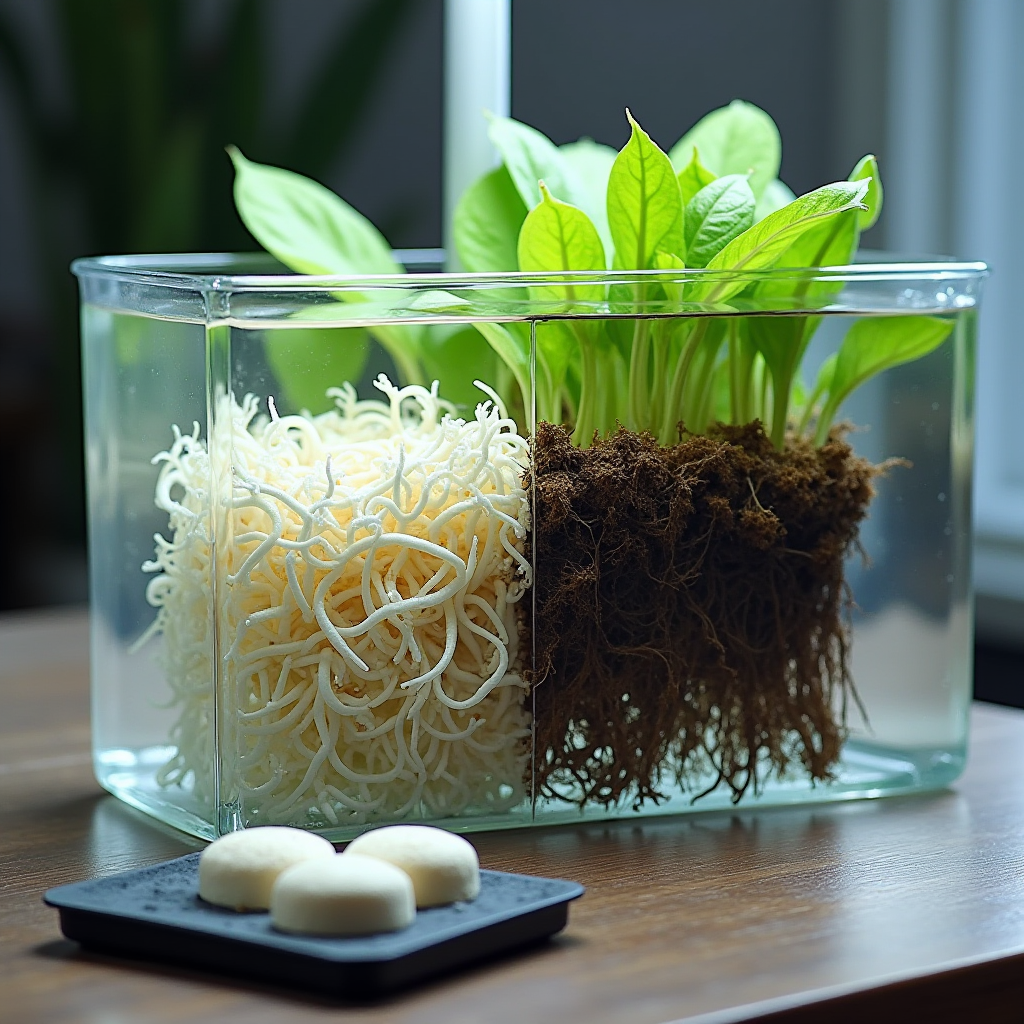
- Healthy, well-oxygenated roots: Bright white to cream, firm, lots of fine feeder roots, mild fresh smell.
- Early stress: Slight beige tint, reduced fine root hairs, maybe a mild “stale” smell. Act here: improve DO and temperature.
- Active pythium/root rot: Brown to tan, slimy, pieces sloughing off, strong foul or “swampy” smell. Immediate intervention is needed.
Early intervention steps:
- Drop water temperature if possible.
- Increase aeration (add stones/discs temporarily, improve circulation, or increase venturi performance).
- Consider a reservoir change with a full system clean.
4.4 Cost-of-ownership thinking: pumps, stones, discs, and injectors
Over a full season, the cheapest hardware is rarely the cheapest system. A basic cost-of-ownership lens:
- Air stones + basic pumps:
- Low entry cost.
- Higher maintenance and replacement frequency.
- Often requires oversizing pumps to compensate for clogging and poor diffusion.
- Microbubble discs + solid pump + optional venturi:
- Higher upfront cost.
- Lower replacement frequency.
- Better DO per watt, fewer crop losses from oxygen-related root problems.
- Low-shear circulation with smart plumbing:
- One-time design effort.
- Improves DO and temperature uniformity across the system, not just at the reservoir.
When you factor in crop value and your own time, stepping up aeration hardware and design is usually one of the highest-ROI upgrades in DWC and RDWC, especially heading into hot months.

If you take one thing into the warm season, make it this: bubbles are not the goal. Dissolved oxygen in the entire root zone is the goal. Clean hardware, tuned DO targets by system, and thoughtful circulation will keep roots white and growth aggressive right through summer.
As an Amazon Associate, I earn from qualifying purchases.