HydraTower-Style Vertical Hydroponics for Small Spaces: Real-World Yields, Design Tips and Cost Math for 2026
1. Common Mistakes With Vertical Hydroponic Towers in Small Spaces
Most growers think vertical towers are “automatic yield multipliers.” In tight spaces, the opposite often happens: the tower looks impressive, but half the sites underperform or fail because the layout and hydraulics are wrong.
Grozine’s recent look at the HydraTower vertical system highlighted a real shift: home and micro-farm towers in 2026 are no longer just gimmicks, they are compact, stacked-column systems with central reservoirs, timed pumps, and serious plant counts aimed at balconies, patios and small backyards (source). In parallel, Yanko Design’s urban-farm concepts show how aggressively people want food production to co-exist with normal living spaces, from window-wall farms to plug-and-play indoor columns (source).
But when growers try to translate those ideas into real hardware, the same mistakes keep killing yield and ROI:
1.1 Overestimating yield per plant, underestimating yield per square foot
- Counting “50 sites!” and assuming every pocket will deliver a full, dense head of lettuce or a bushy herb.
- Ignoring how vertical shade patterns and cramped airflow reduce final size and consistency.
- Planning ROI off best-case social media photos instead of conservative grams per site.
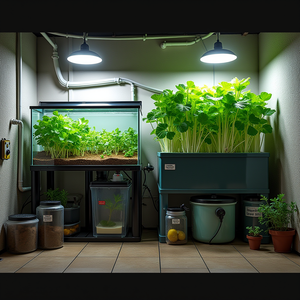
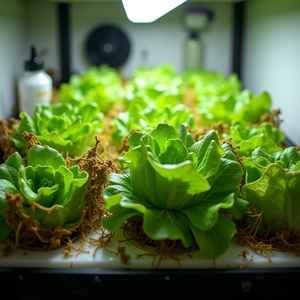
A realistic mixed-lettuce tower in the HydraTower class might run 30 to 48 sites on roughly 2 to 3 square feet of footprint. At 80 to 150 g per lettuce head or equivalent greens per pocket each 30 to 35 days, that’s about 2.5 to 7 kg of greens per month in a dialed-in setup. That’s excellent yield per square foot, but only if the layout is built around light and rotation instead of just raw site count.
1.2 Treating balcony towers like indoor DWC buckets
- Running small reservoirs (under 40 L) on hot balconies with no temperature management.
- Assuming “recirculating = safe” and overlooking how quickly towers dry if the pump stops.
- Skipping proper aeration because “the falling water will oxygenate it enough.”
HydraTower-style systems use a central reservoir with a top-feed loop and trickle return. That is closer to a hybrid between NFT and DWC than a classic deep water bucket, and it needs redundancy to survive small-space risks: heat spikes, power flickers, and sloshing from wind or kids bumping into the base.
1.3 Packing towers with the wrong crops
- Filling every pocket with fruiting crops (tomatoes, peppers, cucumbers) that want big root zones and long cycles.
- Planting heavy, slow crops low on the tower where they get the least light and worst airflow.
- Trying to run “one EC to rule them all” for lettuce, basil, peppers and strawberries in the same column.
HydraTower and similar towers shine on short, leafy crops and compact herbs. You can run a few strawberries or dwarf peppers in prime positions, but if you treat a balcony tower like a tomato trellis with water lines, you will lose the main advantage: harvests per square foot.
1.4 Skipping proper pump sizing and distribution
- Using an undersized pump that barely clears the column height, giving weak drips on top tiers.
- No flow equalization: inner pockets get drenched, outer pockets barely see a film.
- Zero consideration for head height, elbows, and timer cycles.
The HydraTower article notes a simple but critical design choice: a single central pump pushing through a manifold so each column segment receives consistent flow, then gravity brings solution back to the reservoir (source). Without that even distribution, you can’t maintain uniform EC and moisture across 30+ sites.
1.5 Ignoring real-world drainage and leak paths
- Mounting towers directly on timber decking with no catch tray.
- Running unprotected joints and barbs where UV, heat and vibration can loosen fittings.
- Leaving no way for overflows to route safely if a drain line clogs.
On a balcony or over a downstairs neighbor, one leak can kill the project. Many HydraTower-class systems try to solve that with a contained, modular base and internal plumbing; DIY copies need to match that mindset, not just the look.

2. Why These Problems Happen In 2026-Style Small-Space Towers
2.1 Space pressure changes the math
On a suburban lot, a half-meter mistake in layout is annoying. On a 1.2 x 1.2 m balcony, it is the difference between a usable walkway and a system you constantly bump into. HydraTower and similar systems exist because urban and small-lot growers want to turn 0.5 to 1.0 m² of dead space into a productive “vertical bed” without crowding themselves out.
That pressure leads to optimistic assumptions: if a flat, 1.2 m NFT rail yields 12 heads of lettuce, stacking four vertical tiers “should” give 48 heads in the same footprint. In practice, upper and lower sites see different microclimates, light, and nutrient turnover. Without planning for that, the bottom 25 percent of your plant sites become underperforming decoration.
2.2 Confusing glossy concept renders with serviceable hardware
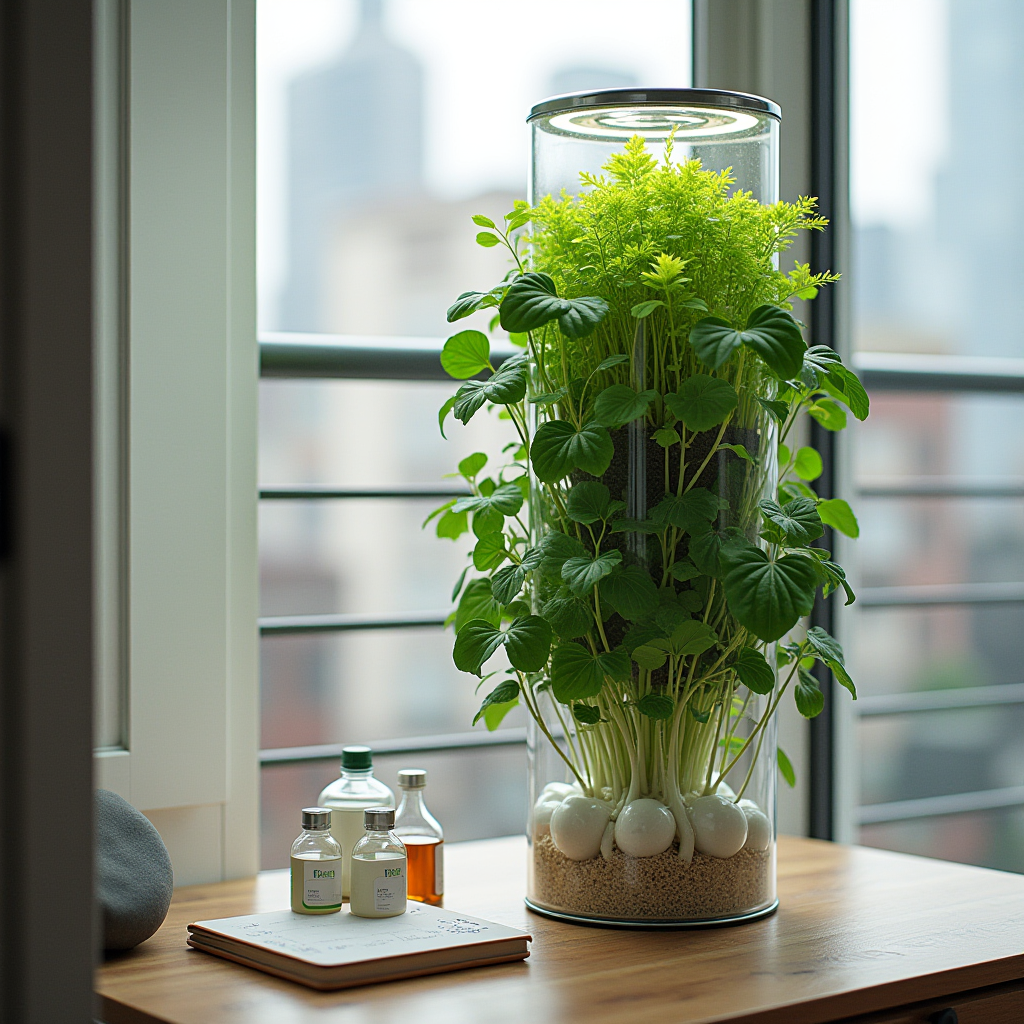
Yanko Design’s vertical farm concepts are intentionally minimal and beautiful: slim columns, hidden wiring, soft light rings, reservoirs hidden inside furniture (source). HydraTower leans more toward “real hardware with decent aesthetics” than pure concept art, but the same risk applies. If you copy the shape and forget the access panels, unions, drains, and pump clearances, you end up with a system that is cheap to build and expensive to maintain.
2.3 Misunderstanding vertical hydraulics
In NFT rails, gravity works in your favor: a shallow, consistent slope and a modest flow rate produce a thin film of nutrient solution. In a tower, you have:
- A pump lifting solution to the top.
- A distributor (ring, drip manifold, or top tray) feeding the column.
- Multiple turns and pockets where water can pool or bypass roots.
HydraTower-style setups handle this by using a central riser and controlled outlets per tier, then giving solution enough dwell time in each cup or pocket before returning to the reservoir. When growers skip that design discipline and simply “spray from the top,” top plants drown, mid plants get a brief shower, and bottom plants live off leftovers.
2.4 Underestimating thermal load and reservoir swing
Small, exposed reservoirs heat up quickly. A 40 to 60 L base sitting in sun on concrete can easily climb above 24 °C in summer, which is where Pythium and other root pathogens start liking life in recirculating systems. In a tower, that warm solution is also your only moisture source. When reservoir volume is undersized or poorly insulated, pH and EC swing hard under high transpiration, so the top of the tower sees a different solution than the bottom by mid-afternoon.
2.5 ROI fantasies instead of conservative cost math
HydraTower and similar systems are not the cheapest way to add plant sites. DIY horizontal NFT still wins on cost per site. The reason towers exist is cost per floor area and user experience. If your mental math is “$500 tower = 10 supermarket trips saved in a year,” you are ignoring:
- Lighting and electricity if the site is shaded.
- Nutrient, water, and consumables cost.
- Time spent seeding, transplanting, cleaning and troubleshooting.
The tower pays off when you plan around realistic per-site yield, consistent harvest cadence, and minimal labor. That is design work, not wishful thinking.
3. How To Fix These Issues: Design Patterns From HydraTower-Style Systems
3.1 Layout: when towers beat horizontal NFT in small spaces
HydraTower’s stacked-column approach is ideal when:
- Your usable space is roughly 0.5 to 2.0 m² on a balcony, patio, or side yard.
- You want to stand in one spot and harvest many plants without walking around rails.
- You can go vertical up to 1.8 to 2.1 m without hitting ceilings or HOA rules.
In that context, a vertical hydroponic tower system for small spaces will usually outperform horizontal NFT on greens and herbs:
- Plants per floor square foot: 10 to 20 plants/ft² with a tower vs 4 to 8 plants/ft² with NFT benches.
- Service access: All plants reachable from a 0.6 to 0.9 m ring around the base.
- Infrastructure: One pump, one reservoir, minimal support framing.
If you have a big garage or spare room and can build 2 to 3 layers of NFT rails with proper aisles, NFT can still win. But if you are squeezed for footprint, the tower has the advantage.
3.2 Plant spacing, site count and crop planning
Use these working numbers for a HydraTower-style column:
- Column height: 1.8 to 2.0 m total.
- Tier spacing: 15 to 20 cm between rows of pockets.
- Pockets per tier: 4 to 6 around the circumference.
- Total sites: 32 to 48 for a single column.
Now translate that into realistic plant planning:
- Leafy greens: Treat each pocket as 80 to 120 g of finished greens every 30 to 35 days.
- Herbs: One basil or parsley plant per pocket, 15 to 30 g per weekly cut, 4 to 8 cuts before replacement.
- Fruiting crops: Reserve top 4 to 8 sites for strawberries or dwarf peppers, and assume longer cycles.
For continuous weekly harvests, don’t plant all sites at once. Instead:
- Divide the tower into 4 vertical “zones” of tiers.
- Plant one zone per week for 4 weeks.
- Harvest the oldest zone each week and immediately replant.
This keeps EC and nutrient demand relatively steady while giving you a reliable output rhythm.
3.3 Pump sizing and flow control
For a HydraTower-style system with a 1.8 to 2.0 m column:
- Head height: Choose a pump that delivers the target flow at 2.5 to 3.0 m of head, not just at zero head.
- Flow: Aim for 1 to 2 L/min per column for leafy greens. Multiple columns can share one pump if you manifold correctly.
- Duty cycle: For media-filled cups or towers with some water-holding capacity, a 15-min-on / 45-min-off timer cycle is usually enough. For bare-root or very low-volume towers, run continuous or use shorter off times.
Key pattern from HydraTower and similar systems:
- Use a central riser and then a ring or mini-manifold at the top so each drop point sees equal pressure.
- Design the return path large and simple: one or two big drains back to the reservoir instead of many tiny hoses.
3.4 Reservoir size, DWC-style buffering and aeration
A HydraTower hydroponic system review and yields discussion is meaningless without reservoir context. For a 32 to 48-site tower:
- Volume: 60 to 90 L (15 to 24 gal) is a good target. Smaller volumes swing too fast.
- DWC buffer: Let some roots hang into the reservoir itself, but never rely on that alone; keep strong aeration.
- Aeration: At least 0.5 to 1.0 L/min of air per 4 L of solution using quality air stones.
This hybrid approach borrows from deep water culture: the reservoir is not just a bucket of nutrient solution, it is a temperature and pH buffer, oxygenator, and emergency moisture source during pump outages.
3.5 Nutrient, pH and EC management for towers
In a recirculating tower:
- Target EC:
- Leaf lettuce and baby greens: 0.8 to 1.4 mS/cm.
- Mixed greens + herbs: 1.4 to 1.8 mS/cm as a compromise.
- Fruiting crops: 1.8 to 2.3 mS/cm in towers where they are the majority.
- Target pH: 5.8 to 6.2 for most mixed towers.
- Monitoring frequency: EC and pH at least 2 to 3 times per week; daily in hot weather or very small reservoirs.
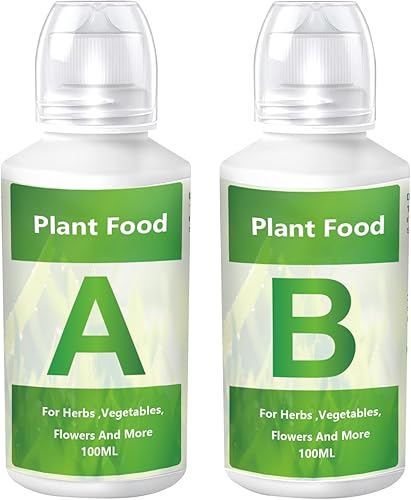
Use a complete A/B nutrient made for recirculating hydroponics, not thick organic teas. Thicker organic feeds clog small-diameter lines and encourage biofilm, which HydraTower-style designs intentionally avoid with clean plumbing and accessible manifolds.
3.6 Lighting for balconies and patios
If you have fewer than 4 to 5 hours of direct sun on the tower, add LEDs:
- Target 150 to 250 µmol/m²/s on the bulk of the tower surface.
- Run 12 to 16 hours per day.
- Use vertical strip fixtures or a ring light mounted above the tower to distribute light around the column.
In a small balcony layout, one 80 to 150 W LED oriented to wrap light around the column often doubles usable yield compared to relying on reflected, indirect daylight.
3.7 Drainage, spill control and fail-safes
Copy these patterns from well-thought-out column systems:
- Base tray: A shallow, rigid tray under the reservoir big enough to catch a full pump cycle’s worth of water.
- High-level float or sight tube: A simple way to see if the reservoir is overfilling or losing volume.
- Overflow path: A dedicated overflow from reservoir to a safe drain or backup tank, not onto the floor.
- Pump backup: For critical setups, a small UPS or battery-backed DC pump that can run intermittently through short outages.
4. What To Watch Long-Term: ROI, Benchmarks and When Towers Are Worth It
4.1 Yield and harvest benchmarks
Use these benchmarks to sanity-check your expectations for a vertical hydroponic tower system for small spaces:
- Plants per square foot (floor): 10 to 20 plant sites/ft² is realistic without extreme crowding.
- Greens per month (single 40-site tower): 2.5 to 6 kg of mixed greens and herbs once dialed in.
- Cycle time for lettuce and baby greens: 30 to 35 days from transplant to harvest in mild conditions, faster with optimized lighting and temperature.
- Reservoir top-ups: Expect to add 10 to 30 percent of volume per week in warm weather due to transpiration and evaporation.
If you are way below these numbers after your second or third cycle, look at:
- Light (PAR at shaded pockets).
- EC and pH stability over several days.
- Pump run-time and evenness of flow across tiers.
4.2 Vertical hydroponics vs horizontal NFT ROI
Let’s compare a HydraTower-inspired column to flat NFT rails in a 0.7 x 0.7 m balcony zone (~0.5 m²):
- HydraTower-style column:
- Hardware: tower + reservoir + pump + basic controls: assume $400 to $700 depending on brand and options in 2026.
- Sites: 40 pockets.
- Output: 2.5 to 6 kg/month of greens and herbs with good management.
- Horizontal NFT (2 rails stacked, 1.2 m long):
- Hardware: rails, stands, reservoir, pump, etc.: $200 to $400 DIY or small-kit.
- Sites: ~24 sites (12 per rail with 20 to 25 cm spacing).
- Output: 1.5 to 3.5 kg/month in the same footprint once aisles are accounted for.
The tower probably costs more per site but about the same or less per kilogram of produce when rent, balcony area and aesthetics are considered. If greens are $20/kg in your local market, 3 kg/month of equivalent quality saves about $60/month. Ignoring your time, a $600 tower that performs at that level pays back in 10 to 18 months. A similar NFT setup might pay back in 12 to 24 months but will demand more lateral space.
The main ROI risk is not hardware, it is consistency. Missed cycles, pump failures, or poorly tuned EC push break-even out by years.
4.3 Failure modes to watch as the system ages
Over 12 to 24 months of operation, watch for:
- UV fatigue on plastics: Tower segments and exposed fittings get brittle unless UV-stable. Choose food-safe, UV-stabilized plastics and check them annually.
- Pump wear: Cheap pumps lose flow and stall; keep a spare on hand and clean the impeller monthly.
- Biofilm and clogging: Minimize organic additives; flush lines between cycles with diluted hydrogen peroxide or peracetic acid as per manufacturer directions.
- Reservoir creep: Salts build invisibly; perform a full drain and scrub every 2 to 4 weeks.
4.4 When a HydraTower-style system makes sense for you
Choose a HydraTower-class system or DIY clone when:
- You have under 2 m² of growable floor but at least 2 m vertical clearance.
- You mostly want leafy greens, herbs, and a few compact fruiting crops.
- You are willing to monitor EC and pH a few times per week and perform regular reservoir changes.
- You value a tidy, self-contained look over open racks and gutters.
Stick with horizontal NFT or DWC benches when:
- You have more room but lower ceilings (e.g., shallow crawlspace grows or under-stairs builds).
- You want to specialize in large fruiting crops or trellised vines where vertical pockets are limiting.
- Low upfront cost per site matters more than maximizing output per wall or balcony.
4.5 Practical checklist before you buy or build
Use this mini checklist for any best vertical hydroponic design for balcony or patio, including HydraTower-style products:
- Footprint and height: Does it fit your balcony with at least 0.6 m of working clearance around it?
- Sites per floor square foot: Calculate plants/ft² and compare to rails or a soil bed.
- Reservoir access: Can you easily reach, clean and refill it without disassembling the tower?
- Pump and plumbing: Is the pump rated for continuous duty at your required head height? Are fittings standard and replaceable?
- Serviceability: Can you pull individual segments for cleaning, or is it one glued column?
- Support: Does the manufacturer provide EC/pH guidance, spare parts, and documentation?
If a system looks like the HydraTower in photos but fails this checklist, you are buying decor, not infrastructure.
As an Amazon Associate, I earn from qualifying purchases.