Holiday Light Leaks Are Ruining Your Indoor Hydroponics: Photoperiod Control for DWC & Aeroponics in Small Spaces
If your winter lettuce is stretching like it is reaching for the Christmas star and your basil suddenly tastes like a bad herbal tea, it is probably not your nutrients - it is your holiday lighting wrecking the dark cycle.
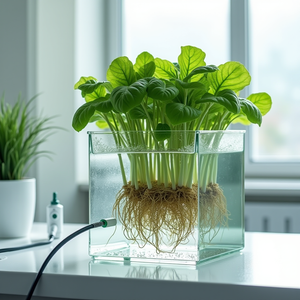
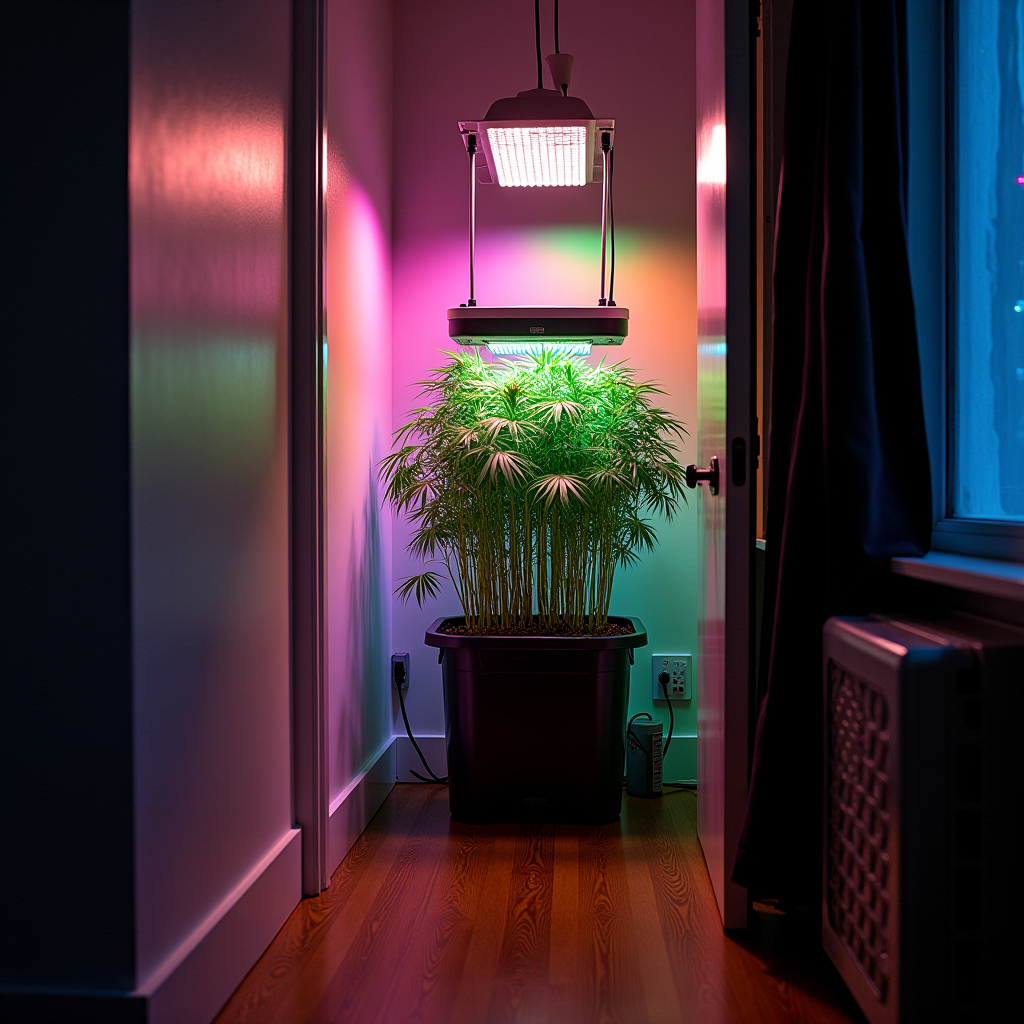
Winter is the sneakiest season for light leaks. String lights draped around door frames, scented candles on side tables, TVs glowing half the night, phones lighting up the hallway - all of that cozy light can quietly hammer your indoor hydroponics. DWC buckets in the corner, an aeroponics tub in the spare room, or a countertop system on the kitchen island are all vulnerable.
In this guide, we will pin down how night-time "ambient cozy" becomes a real production problem, how to spot night interruption, and how to fix it without turning your home into a cave.
The Problem: Leggy greens, bitter lettuce, and confused plants
When photoperiod gets sloppy, plants respond with equally sloppy growth. In small-space hydro - DWC, aeroponics, and countertop systems - it often shows up as:
- Leggy, weak plants: Lettuce and herbs stretch, internodes lengthen, and plants flop instead of forming tight rosettes or compact bushes.
- Bitter or "off" flavor in leafy greens: Hydroponic lettuce that should be crisp and mild develops a sharp or bitter edge, especially in older leaves.
- Slow, inconsistent growth in mixed plantings: Some plants in your system look fine while others in the same reservoir lag or bolt early.
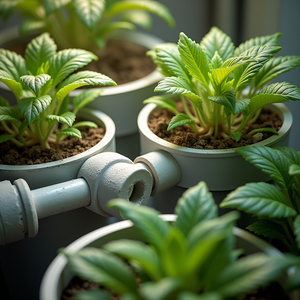
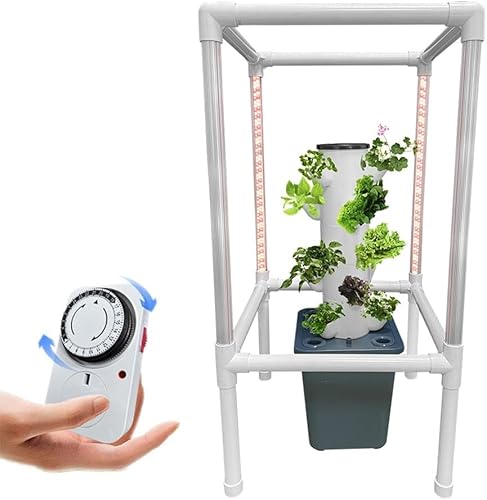
- Countertop and aeroponic towers "stalling": Built-in LED systems fighting against irregular room lighting can give you plants that never really settle into a stable rhythm.
- Algae flare-ups in open reservoirs: Warm holiday rooms, long TV hours, and random lamps left on feed light into nutrient solution, driving algae and causing pH swings.
Because this all ramps up in winter, most growers blame cold air, heaters, or nutrient changes. Those matter, but there is a quiet environmental change happening: your plants are losing their clean, predictable dark period.
Research on light leaks in controlled rooms shows that even brief or low-level light during the scheduled dark phase can interfere with plant development and performance by disrupting the signals that depend on continuous darkness, especially in photoperiod-sensitive crops like those discussed here and in this overview of light leak effects.

The Cause: Night interruption and messy photoperiod indoors
Plants do not just care about how much light they get - they care when they get it. That is photoperiod. For most leafy greens and herbs in hydroponics, we are aiming for something like 14-18 hours of light and 6-10 hours of genuine darkness.
In a winter apartment or house, that "darkness" often turns into a warm glow instead:
- Holiday string lights across the doorway to the grow area
- Candles or decorative lamps that stay on after your grow lights click off
- TV/monitor light spilling into open-plan spaces where DWC buckets or towers live
- Phone/tablet use in the same room during the plant dark period
- Hallway and bathroom lights flashing on repeatedly during the night
Even low light can matter if it is persistent or repeated. Work on light leaks in controlled grow spaces shows that unexpected light during dark periods can disrupt the internal timing (circadian and photoperiod responses) that plants use to sync growth and development as noted in this grow-room guide and in this discussion of tent light leaks.
For hydroponic leafy greens, that disruption does not usually mean flowering failure; instead you see:
- Hormonal confusion: Plants struggle to decide if they should keep stacking vegetative mass or prep for reproduction (bolting).
- Stress signaling: Irregular light patterns are another stress layer on top of nutrient, temperature, and humidity. Stress is strongly linked to increased bitter compounds in leafy greens.
- Root zone side effects in DWC/aeroponics: When ambient light leaks into your reservoirs, algae compete for nutrients and oxygen, indirectly stressing the plants via pH drift and lower dissolved oxygen.
Aeroponic and DWC systems magnify this because they are already running at high efficiency: fast nutrient delivery, strong oxygenation, tight environmental control. When the light schedule stops being predictable, growth gets "noisy" very quickly.

The Solution: Simple photoperiod control that survives holiday season
You do not need to kill your cozy vibe to fix night interruption. You just need to put your grow on a stricter light protocol than your Netflix habits.
1. Lock in a realistic schedule
- For DWC and aeroponics leafy greens/herbs: Aim for 16 hours ON, 8 hours OFF or 18/6 if you want maximum growth and your system can handle it.
- For countertop systems with fixed programs: Use the longest available "day" setting for vegetative crops, but make sure the OFF block lines up with your actual dark hours.
If you are up late with lights and screens, let the plants have their dark period during your workday instead of overnight. For example:
- Lights ON: 02:00 - 18:00
- Lights OFF: 18:00 - 02:00 (when evening household lights and screens are strongest, your grow is protected by covers and door control)
2. Put every grow light on a proper timer
No manual switching. Use a plug-in digital timer or a smart plug, and treat it as a non-negotiable piece of hydro hardware, right alongside your air pump.
- Set the photoperiod once.
- Lock the timer and leave it.
- Use the same on/off times across DWC, aeroponics, and countertop systems in the same room to avoid overlapping light spill.
3. Control stray room light with simple shielding
Instead of blacking out the whole room, focus on the plant zone:
- DIY blackout skirts around DWC buckets and aeroponic totes using black plastic, fabric, or reflective film.
- Clip-on blackout panels for wire racks and shelves (think binder clips + dark fabric or cardboard).
- Blackout sleeves or covers for jars and small reservoirs to keep nutrient solution dark and reduce algae.
- Strategic placement: Turn systems so plant canopies face away from the brightest room light sources.
Run a "dark audit": at the start of your scheduled dark period, turn off the grow lights, leave all normal household lights on, close doors as you realistically would, and stand in your grow spot for a minute. Any surface you can read printed text on is too bright for a reliable plant night.
4. Use sensible spectra for background light
If you cannot avoid some night-time light in the grow room (shared office, studio apartment, etc.), bias those lights toward warmer, lower-intensity options:
- Use dimmable, warm-white lamps instead of bright, cool-white overheads.
- Avoid shining light directly at the canopy. Bounce off walls or ceilings.
- Keep TVs and monitors angled away from plant trays and towers.
Plants are particularly sensitive to red and far-red for photoperiod signaling, but in practical home setups the bigger lever is simply lowering overall intensity and duration of night-time exposure.
5. Shield the reservoir like it matters (because it does)
For DWC and low-pressure aeroponics, holiday light leaks also mean more light on the nutrient solution:
- Use opaque lids and buckets or wrap clear containers.
- Seal cable and airline holes with foam or tape to block light paths.
- Keep any inspection ports covered except during quick checks.
That keeps algae down, stabilizes pH/EC, and reduces the stress stack that pushes flavor and texture in the wrong direction.

The Evidence: Why low-level light leaks still matter
Outdoors, plants deal with moonlight and starlight just fine. Indoors, the situation is different for three reasons:
- Intensity and proximity: Indoor "ambient" light can be several orders of magnitude brighter than moonlight, especially at close distances from LEDs, screens, and lamps. That is enough to register as day-like by the plant.
- Timing conflicts: In a controlled environment, plants expect their photoperiod to be precise. Intermittent bursts of light during the dark window can scramble those signals, which has been repeatedly noted as a problem in indoor grow-room management as described here and in this light sensitivity overview.
- Stacked stress in hydroponics: Hydro systems already load plants with high nutrient availability and rapid growth. Add temperature swings, EC/pH drift, and inconsistent photoperiod, and you get classic stress symptoms: stretch, poor texture, and harsher taste.
Several controlled-environment agriculture references emphasize that unwanted light during dark periods can interfere with the hormonal processes that depend on continuous darkness, especially for photoperiod-sensitive species. While much of the published material talks about cannabis, the principle - consistent dark matters - applies across hydroponic crops in DWC and aeroponics systems as described in this grow-room article and in this summary of light leak management.
On the flavor side, leafy greens like lettuce increase certain secondary metabolites under stress, which correlates with bitterness and astringency. Irregular lighting is one of several stressors that tip the balance away from mild, sweet leaves and toward tougher, more bitter foliage. When you combine:
- Long photoperiods in winter to compensate for lower room temperatures
- Poor dark control from holiday lights and screens
- High EC nutrient solutions typical of aggressive DWC/aeroponic regimens
you create the perfect setup for "hydroponic lettuce bitter" and herbs that smell great but taste harsh.
The good news: because these systems respond quickly, you can usually see improvements in new growth within 1-2 weeks of tightening your photoperiod, cleaning up light leaks, and stabilizing reservoir conditions.
Dial in the dark, and your winter hydroponics will reward you with tighter heads, better flavor, and fewer mysteries in the root zone - without asking you to unplug your holidays.
As an Amazon Associate, I earn from qualifying purchases.