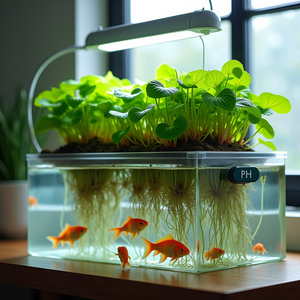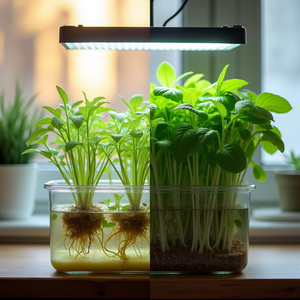
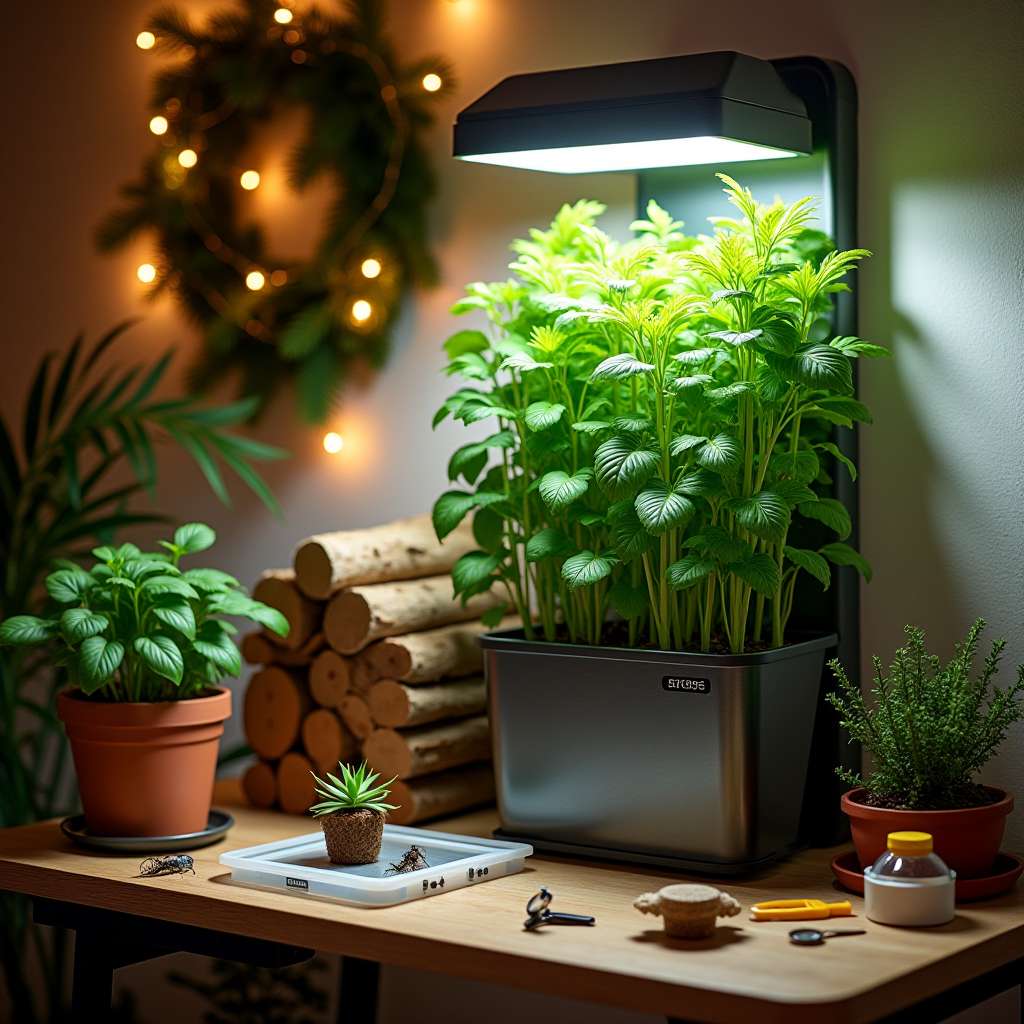
Holiday Biosecurity for Indoor Hydroponics: Stop Pests Hitchhiking on Wreaths, Firewood, and Houseplants
If your DWC tote turns into a winter resort for spider mites and fungus gnats, it is not bad luck - it is holiday decor and houseplants walking pests straight into your grow room.
This season, "bringing nature indoors" is trending hard: wreaths, boughs, live trees, decorative logs, gift orchids, and poinsettias. All of them are perfectly normal pest taxis. In a warm, humid hydro room - especially DWC, NFT, and aeroponic setups with constantly moist surfaces - those hitchhikers explode fast.
Let us walk through a no-nonsense holiday biosecurity plan: how to audit what comes through the door, set up cheap IPM checkpoints, and use food-safe treatments that protect your herbs and greens without nuking your roots or reservoirs.
The Problem: Holiday "Nature" Turning Into Pest Ground Zero
Here is the situation many indoor hydro growers hit between November and January:
- You hang a fresh pine wreath near your tent.
- Stack firewood in the same room as your reservoir.
- Park gifted houseplants beside your basil and lettuce.
Two weeks later:
- Spider mites webbing up your NFT channels and curling basil leaves.
- Aphids or thrips speckling lettuce and soft-stemmed herbs.
- Fungus gnats bouncing off your face every time you lift a Kratky lid.
- Mold on insulation, neoprene collars, and the edges of net pots.
Hydro amplifies the problem:
- DWC and aeroponics keep roots constantly moist and lush - paradise for pests and pathogens.
- NFT channels and plumbing give pests long highways to spread room-wide.
- Warm LEDs, stagnant corners, and splashy reservoirs create a stable, sheltered microclimate.
Once pests get into a closed indoor system, they are not diluted by wind, rain, or natural predators. An integrated approach is the only realistic way to stay ahead of them. Modern integrated pest management (IPM) relies on monitoring, sanitation, and layered controls instead of just spraying and praying, as outlined in IPM principles from the US EPA and other guides such as this overview of IPM strategies.
Holiday biosecurity is about cutting off the problem at the door, before those spiders, aphids, gnats, and molds discover your reservoirs.
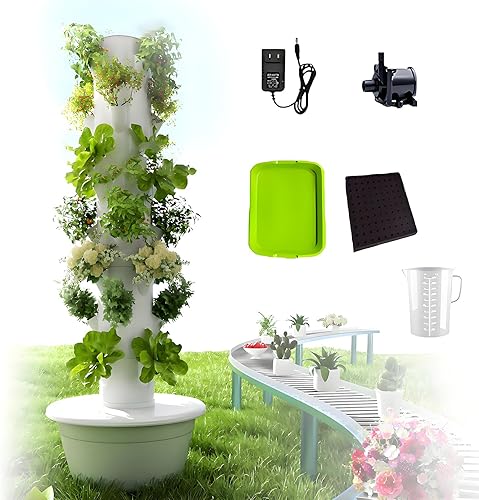
The Cause: Hitchhikers + Perfect Hydro Conditions
1. Where the pests are really coming from
Most holiday infestations are imported on:
- Fresh greenery (wreaths, swags, garlands, live trees): spider mites, aphids, scale, mealybugs, and various eggs.
- Firewood and logs: spiders, beetles, springtails, mold spores, and their eggs hiding under bark.
- Gift houseplants in peat or compost mixes: fungus gnat larvae, thrips, root aphids, shore flies, and fungal pathogens.
- Outdoor potted plants moved inside for the winter: the full pest spectrum plus overwintering eggs in the soil and leaf litter.
Most of this is invisible at a glance. Spider mite eggs tuck along leaf veins. Fungus gnat larvae hide in the top 2-3 cm of potting mix. Thrips pupate in the soil or debris. By the time you notice leaf stippling or gnats in your face, pests are already established.
2. Why hydro systems are such pest accelerators
IPM guides consistently point out that pests explode when they find stable food, moisture, and shelter together as summarized by Clemson's IPM factsheet. Your hydro setup ticks all three boxes:
- Constant moisture in DWC, NFT, and aeroponics means roots and biofilms are always available as moist surfaces.
- Warmth and humidity from LEDs and reservoirs create a near-tropical microclimate.
- Dense planting in raft tubs, channels, or towers gives pests connected highways of foliage.
System-specific pain points:
- DWC (Deep Water Culture): splashy airstones plus warm solution can support algae films and biofilm on collars and lids. These stay humid, which favors fungus gnat adults and mold growth.
- NFT (Nutrient Film Technique): long channels allow pests to travel rapidly along the crop. The constant thin film keeps roots moist, and any debris accumulation becomes a pathogen hotspot.
- Aeroponics: neoprene collars stay damp and shaded, a sweet spot for mold and occasionally fungus gnat adults to rest and reproduce nearby.
- Kratky: less mechanical equipment means fewer surfaces to sanitize, but the nutrient surface and net pots can still support algae and mold if light and humidity are poorly controlled.
Combine that with the holiday spike in new plant material, and your grow room biosecurity can go from "tight" to "porous" in a single weekend.

The Solution: A Holiday Biosecurity & IPM Checklist For Hydro Growers
The goal is not to turn your home into a lab. You just want a simple, repeatable routine that keeps pests off your food and out of your reservoirs.
Step 1: Create a "quarantine zone" for all incoming plants and decor
Any time you bring in live or once-living material, it hits quarantine first - not the grow room.
- Pick a quarantine space: a bathroom, laundry room, or a shelf at the other end of the house from your hydro systems.
- Distance rule: keep holiday plants and greenery at least one closed door (or 3-5 meters) away from your Kratky jars, DWC tubs, NFT channels, or aeroponic towers.
- Use a tray or mat under gift plants to catch any crawling pests or shed soil.
- Quarantine duration: 7-10 days minimum before anything gets close to your hydro space.
During quarantine, you will inspect and, if needed, treat.
Step 2: Inspection: slow, methodical, and under bright light
Use a bright work light or your grow light to check:
- Leaf undersides: look for tiny moving dots (mites, thrips), eggs along veins, or stippling patterns.
- New growth and buds: aphids and thrips love soft tissue.
- Petiole bases and leaf axils: classic mealybug and scale hangouts.
- Soil surface: any tiny flies taking off when disturbed signal fungus gnats or shore flies.
- Wreaths, boughs, and firewood: inspect bark crevices, cones, and needle clusters. Tap them over white paper to see what falls out.
Catch issues now and you avoid having to clean a full DWC system later.
Step 3: Low-cost IPM checkpoints around your grow
IPM is built on monitoring and layered controls rather than a single magic spray as emphasized in this IPM guide. Set up cheap, simple checkpoints:
- Sticky traps: hang yellow cards just above canopy height and near doors or vents. They catch fungus gnats, whiteflies, and some thrips.
- Entry mat: a washable mat at the grow room door to avoid tracking in debris.
- Tool discipline: scissors, pipettes, and pH pens used outside do not come into the hydro room uncleaned. Wipe with 70% isopropyl or a mild bleach solution (about 1:10) and rinse.
- Hands and sleeves: handle holiday decor last, not right before you prune or harvest hydro crops.
Step 4: Tune humidity, airflow, and light leaks
Environment control is pest control:
- Relative humidity: aim for roughly 50-65% for leafy greens and herbs. Very high humidity with stagnant air favors mold; very dry air encourages spider mites.
- Airflow: keep a gentle, constant breeze across foliage and over reservoir lids. This disrupts fungus gnat flight and dries condensation on collars and lids.
- Light control: block light from DWC tubs, NFT channels, and Kratky jars to prevent algae, which helps harbor pests. Opaque lids, blackout sleeves, or even foil tape work well.
Step 5: Food-safe treatments that will not wreck your reservoirs
You are growing food, so root-safe, residue-conscious options matter. Some practical tools:
- Insecticidal soap (potassium salts of fatty acids): effective against aphids, spider mites, and soft-bodied pests. Spray leaves only and avoid direct spraying into reservoirs.
- Neem oil or clarified hydrophobic neem: good for mites and some sucking pests. Again, use as a foliar spray, not as an additive to hydro solution.
- Bacillus thuringiensis israelensis (Bti): biological control for fungus gnat larvae, often used in hydro-safe formulations. It targets larvae in moist media without harming plants as referenced in IPM literature. Apply to potting mixes of gift plants, not directly to a recirculating reservoir unless the product explicitly allows it.
- Beneficial insects: predators like Phytoseiulus persimilis for spider mites or beneficial nematodes for fungus gnats can be integrated, but in tiny indoor hydro setups they are usually a backup, not the first line.
Always test treatments on a single plant first, and watch for 24 hours before treating the full crop.
Step 6: Make hydro-specific sanitation part of your holiday reset
A little extra cleaning during the festive chaos pays off:
- Between crops: drain and scrub DWC reservoirs, NFT channels, and aeroponic chambers with a dilute bleach or hydrogen peroxide solution, then rinse thoroughly.
- Collars and net pots: soak in warm, mildly chlorinated or peroxide water to kill spores and biofilm before re-use.
- Kratky jars: clean glass or plastic with hot soapy water and a light disinfectant rinse; replace any lids that are cracked or algae-stained.
- Floor and surfaces: vacuum or mop up plant debris and dust that can harbor pests.
Think of it as a post-harvest deep clean that also resets your biosecurity.

Evidence & Practical Parameters: Dialing In a Pest-Resistant Hydro Environment
Here are some grounded ranges and practices to keep your holiday biosecurity plan practical and science-based.
1. Environmental targets that discourage outbreaks
- Temperature for most leafy greens and herbs in hydro: roughly 18-24°C. Higher temps speed up pest lifecycles, especially spider mites.
- Relative humidity: 50-65% is a good balance to avoid both powdery mold and spider mite explosions. Sustained humidity above 75% with poor airflow is a red flag for molds on collars and foliage.
- Airflow: aim for gentle but noticeable leaf movement. Stagnant pockets invite gnats and spores to settle.
IPM frameworks emphasize that environmental tuning and sanitation can significantly reduce the need for chemicals and heavy biological interventions, keeping pest levels below damaging thresholds as discussed in this IPM review.
2. System hygiene that protects roots and reservoirs
- Opaque reservoirs and channels: reduce algae and therefore reduce habitat and food sources for nuisance organisms.
- Routine checks: inspect roots weekly for browning, slime, or unusual odors. Early root issues often go hand-in-hand with pest or pathogen pressure.
- Top-off discipline: avoid splashing nutrient solution onto collars, rockwool, or foliage where it can stay wet and attract gnats or mold.
3. Holiday-specific watch list
Through the holiday period, tighten your monitoring for:
- Spider mites: check underside of leaves on any plants that share a room with wreaths or live trees. Look for tiny dots and fine webbing between veins.
- Fungus gnats: watch for small black flies near media plugs, Kratky jar net pots, or around firewood stacks. Yellow sticky traps should give you an early warning.
- Thrips: look for silvery streaking or scarring on basil, chives, or leafy greens near decorative houseplants.
- Mold: inspect neoprene collars, Kratky lids, and any exposed foam/plastic edges for white or fuzzy growth, particularly if humidity has been high.
When you catch something early, a single targeted treatment or pruning is often enough. If you miss it until you see damage across a whole DWC raft or NFT run, you are committing to reservoir sanitation, multiple sprays, and potentially tossing plants.
Take one evening now to set up quarantine, sticky traps, and a cleaning routine, and your hydro herbs and greens will cruise through the holidays while everyone else is battling spider mites on their gift poinsettias.
As an Amazon Associate, I earn from qualifying purchases.