Food-Safe Plastics and Tubing for Hydroponics in 2025: Avoid PVC Leaching and Choose NSF-61 Reservoirs and Silicone Lines for DWC, NFT, and Aeroponics
If your winter basil smells like a pool toy, it’s not “just the nutrients” - it’s your plastics talking.
Indoor growers are scaling up for winter and wellness: more Kratky buckets crammed under wire racks, more DWC tubs in spare rooms, more NFT rails and DIY aeroponic cloners humming away in closets. The plants look fine, but the water smells weird, the lettuce tastes plasticky or bitter, and you catch yourself wondering whether that cloudy reservoir is something you actually want to eat from.
A big chunk of that comes down to material choice. Non-food-grade totes, vinyl tubing, and mystery plastics can leach plasticizers and off-flavors into your nutrient solution - especially at low pH, high EC, or when reservoirs warm up. In 2025, we have better options: HDPE and PP reservoirs, NSF-61/NSF-51 rated components, and silicone or certified tubing that stays inert even when you push your system hard.
This is a practical, results-first guide to building safer DWC, NFT, Kratky, and aeroponic systems with food-safe plastics - and a simple audit checklist so you can fix your current setup without tearing everything down.
The Problem: Great Roots, Weird Water (and Off-Flavors)
Most home and small-scale hydro systems are built around whatever is cheap and available: storage totes, vinyl (PVC) aquarium tubing, and “HD” looking plastic that never actually says what it is. The system runs, plants grow, but a few patterns keep showing up:
- Off-flavors in leafy greens and herbs - that faint plastic, rubber, or chemical taste, especially in fast-growing lettuce, basil, and microgreens.
- Strange smell from the reservoir - not quite root rot, not quite algae, but a synthetic odor that shows up more as the system warms or after top-ups.
- Cloudy or tinted nutrient solution in otherwise clean systems, even when you’re not overfeeding or running organics.
- Films and residues on the inside of totes, NFT channels, or tubing that don’t feel like simple biofilm or nutrient scale.
- Headaches about “Is this safe to eat?” every time you harvest.
Those symptoms get worse right when indoor growers are working their systems hardest:
- Low pH (5.5 - 6.0) for better nutrient uptake.
- Higher EC to push growth for heavy feeders.
- Warm rooms in winter, leading to warm reservoirs.
- 24/7 circulation in DWC, NFT, and aeroponics.
In that environment, soft PVC tubing and non-food-grade plastics can leach plasticizers, stabilizers, and other additives more readily. Food safety guides for hydroponic production note that materials in contact with nutrient solution should be suitable for potable water and food contact, not just “waterproof” or “for storage” here and here.
When your Kratky lettuce or DWC basil tastes like a plastic closet, it’s rarely the nutrient brand. It’s your materials telling you they were never meant to bathe in acidic fertilizer 24/7.

The Cause: What’s Actually Leaching Into Your Nutrient Solution
Hydroponic food safety research has focused heavily on microbes, but the material side is getting more attention. A recent review of hydroponic food safety highlights that system components in contact with production water should be suitable for food contact and drinking water use to avoid chemical contamination here.
1. Plastics that are not designed for food or drinking water
Many common DIY materials fall into the “unknown plastic” category:
- General-purpose storage totes without resin code info or food-contact symbols.
- Cheap vinyl (PVC) tubing sold for air or water but not labeled as food grade or NSF compliant.
- Unspecified plastics in pumps, grommets, bulkheads, and fittings.
These may contain plasticizers (like phthalates), stabilizers, and other additives that can migrate into acidic, nutrient-rich water. While the toxicological risk at home scale is still being studied, they definitely contribute to off-odors and off-flavors.
2. pH, temperature, and EC speed up leaching
Three things that every serious DWC/NFT/aeroponics grower pushes will also accelerate material breakdown and leaching:
- Low pH - Most hydro crops run best at pH 5.5 - 6.5. Lower pH can increase migration of some additives from plastics into water, especially with prolonged contact.
- Higher EC - Stronger nutrient solutions are more chemically active. More ions, more interaction with surfaces.
- Warmer reservoirs - Warm nutrient solution (above ~22 °C) not only stresses roots but also speeds up chemical reactions and dissolution.
Food safety guidance for hydroponic systems emphasizes that any surface contacting production water should be made from materials designed for potable water use, precisely because this water is in close contact with edible produce and often recirculates for long periods here and here.
3. PVC vs silicone vs HDPE: why the material matters
- Soft PVC tubing often relies on plasticizers to stay flexible. If it is not food grade or NSF-51/NSF-61 certified, those additives are more likely to leach under hydroponic conditions.
- HDPE and PP (high-density polyethylene and polypropylene) are commonly used in food storage and drinking water applications. Many reservoirs, drums, and plumbing components in these materials are available with NSF-61 certification.
- Silicone tubing is generally inert, handles a wide temperature range, and is frequently available with food-grade and/or NSF ratings. That makes it the go-to for nutrient lines, air lines, and small recirculation loops.
Recent resources for hydroponic and aquaponic producers repeatedly recommend choosing system materials that match drinking water and food-contact standards (like NSF/ANSI 61) to avoid both chemical and microbial hazards in recirculating water here and here.

The Solution: Build (or Retrofit) With Food-Safe Materials
Let’s translate all of this into actual build choices for Kratky, DWC, NFT, and aeroponics. The goal: materials that stay quiet in your nutrient solution, even when you run low pH, decent EC, and warm indoor temps.
1. Choose the right reservoir material
For any hydro style, your reservoir is the biggest piece of plastic in the system. Prioritize:
- HDPE or PP with clear markings
- Look for resin codes: #2 HDPE or #5 PP.
- Bonus: labeled as “food grade”, “BPA-free”, “drinking water safe”, or carrying NSF-61 or similar marks.
- Common sources: blue or black HDPE drums, potable water storage containers, food-grade fermentation buckets.
- Avoid unknown totes
- If the plastic type and rating are not marked, assume it is not suitable for long-term nutrient contact.
- Opaque, colored storage totes from big-box stores are often not designed for food or chemical immersion.
- Color and opacity
- Use dark or opaque reservoirs to limit light and algae.
- HDPE drums in blue or black work very well for DWC, RDWC, and nutrient reservoirs feeding NFT or aeroponics.
2. Use silicone or certified tubing for lines
Tubing is where most DIY builds go wrong. For any line touching nutrient or water that ends up on plants:
- Preferred: food-grade silicone tubing
- Look for “food grade” and, ideally, NSF-51/NSF-61 in the product description.
- Use for DWC air lines, NFT feeds, aeroponic manifolds (upstream of misters), and drip lines.
- Handles higher temps without hardening or cracking.
- Acceptable: certified PVC tubing only
- If you use PVC, choose tubing specifically labeled as food grade and/or NSF-61 for potable water.
- Avoid generic vinyl tubing with no rating info.
- Keep runs short and protected
- Shorter tubing runs mean less surface area for potential leaching.
- Shield tubing from direct light and heat to reduce degradation.
3. Fittings, manifolds, and contact points
Every surface that touches nutrient solution counts:
- Bulkheads and grommets: choose PVC, HDPE, or polypropylene fittings marketed for potable water or tanks, or with NSF-61/NSF-51 rating.
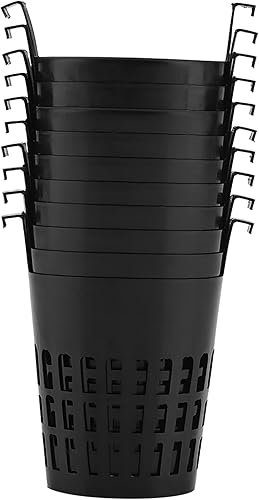
- Net pots and baskets: quality polypropylene net pots are standard and generally food-safe; avoid brittle, mystery plastic that smells strongly out of the bag.
- Aeroponic and NFT channels: use channels or pipe designed for potable water or food processing wherever possible.
4. Quick audit and replacement checklist
Here’s how to tighten up an existing system in an afternoon:
- Check every reservoir and channel
- Flip or inspect each tote/tank.
- If you can’t find a resin code (2 or 5) or any food/drinking water markings, put it on your replacement list.
- Inspect all tubing
- Look for “food grade”, “FDA”, “NSF-51/61” on packaging or online listings.
- If not clearly rated, replace nutrient-contact tubing with silicone or certified alternative.
- Smell test, then clean
- If plastics still smell strongly chemical after a good wash and soak, don’t rely on them for food production.
- Use manufacturer-safe cleaning protocols recommended for food-contact surfaces: detergent clean, rinse, then sanitize as outlined in hydroponic safety guides here.
- Standardize your build
- Pick one or two known-safe reservoirs (HDPE/PP, NSF-61 if possible) and one tubing type (food-grade silicone) and stick with them across your systems.
- This makes scaling, cleaning, and troubleshooting much easier.
5. System-specific notes
- Kratky: Your tote is the system. Using a food-grade HDPE or PP container with a tight-fitting lid, plus polypropylene net pots, removes most material risks.
- DWC / RDWC: Use HDPE barrels or totes rated for potable water; run silicone air lines and food-grade tubing for any recirculation pumps.
- NFT: Choose channels and feed lines designed for potable water; keep solution temps controlled to reduce both biofilm and leaching risk.
- Aeroponics: Because roots are constantly misted, any off-flavor from materials shows up fast. Prioritize silicone lines and food-grade plastics in reservoirs, manifolds, and mist housings.
The Evidence: What Hydroponic Food Safety Research Actually Says
Most of the formal hydroponic food safety world is focused on microbes (E. coli, Salmonella, biofilms), but when they talk materials, they are very clear: if it touches production water or edible parts of the plant, it should be equivalent to drinking water or food-contact equipment.
- Production water is central: Extension resources on hydroponic produce safety emphasize that water used for production, harvesting, and contact surfaces must meet potable standards, because it is in constant contact with edible crops here.
- Material choice is called out: Food safety guidelines explicitly recommend using pipes, tanks, and fittings designed for drinking water systems to reduce both chemical and microbial risk here and here.
- NSF 61 is the shorthand: NSF/ANSI 61 is the standard for materials in contact with drinking water. When a reservoir, pipe, or fitting carries this rating, it has been evaluated so it does not leach unsafe levels of contaminants into water.
For home and small-scale growers, you are not legally required to meet commercial GAPs or FSMA rules, but following the same logic is smart:
- If you are recirculating nutrient solution for weeks, treat it like drinking water plus fertilizer.
- If you are harvesting for kids, older folks, or anyone using greens as part of a wellness routine, reducing unnecessary chemical exposure is just common sense.
- Using HDPE/PP reservoirs, silicone or certified tubing, and NSF-61 style components does not just make the system “safer” - it makes it more predictable and less likely to cause strange smells, films, or plant responses.
Practical target ranges (to stay safe and keep plastics quiet)
- pH: 5.5 - 6.5 for most leafy greens, herbs, and general indoor crops. Avoid running far below 5.5 for long periods unless you know your materials are rated for more aggressive conditions.
- EC (general ballpark):
- 0.8 - 1.4 mS/cm for lettuce and leafy greens.
- 1.5 - 2.2 mS/cm for basil, herbs, and fruiting crop vegetative stages.
- Reservoir temperature: Ideally 18 - 22 °C. This is good for roots, oxygen, and minimizing both microbial growth and chemical leaching behavior.
These ranges come from a mix of commercial hydroponic practice and food safety guidance that stress stable, moderate conditions and careful water management for both plant and consumer health here and here.
Bottom line: Make your plastics as clean as your pH
You already obsess over pH, EC, and light schedules. In 2025, it’s time to give your materials the same treatment.
- Use HDPE/PP, NSF-61 style reservoirs instead of mystery totes.
- Run silicone or clearly certified tubing instead of generic vinyl.
- Keep pH, EC, and temperature in sane, plant-friendly ranges.
- Audit and gradually swap out questionable components instead of living with plasticky basil.
Do that, and your Kratky buckets, DWC tubs, NFT rails, and aeroponic manifolds will quietly do their job in the background - so the only thing you taste at harvest is clean, high-brix greens and herbs.

As an Amazon Associate, I earn from qualifying purchases.