EU Greenhouse Tomatoes in Cold Climates: Energy, CO2 Dosing, and Compliance (Lessons from Romania’s New EUR 20M Hydroponic Farm)
1. Common mistakes Eastern European tomato projects make on day one
Most growers think a big budget and modern glass is enough to tame a cold, cloudy continental winter. It is not. In Eastern Europe, the gaps are almost always in energy strategy, CO2 sourcing, and paperwork.
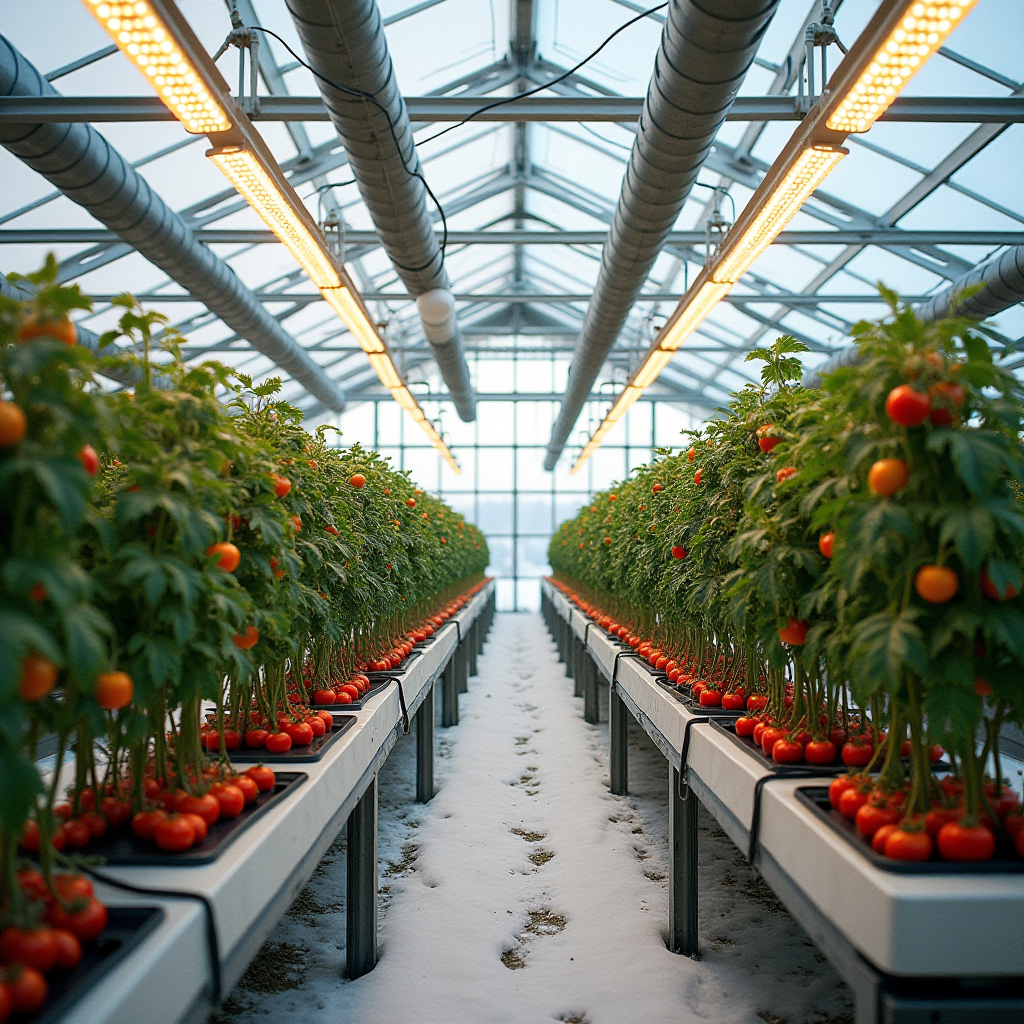
The new EUR 20M hydroponic tomato project in Romania, backed by a Polish group and covered in this Grozine report, is a perfect reminder: you can have cutting-edge high-wire technology and still bleed cash if your heat, light, and CO2 plans are not tuned to local climate and EU rules.
Here are the biggest patterns I see when consulting on Eastern European high-wire tomato builds:
- Copy-pasting Dutch or Canadian designs into Romanian, Polish, or Bulgarian climates without recalculating heat load, winter DLI, and local fuel/CO2 pricing.
- Under-specifying thermal screens or treating them as an optional add-on instead of the backbone of winter energy efficiency.
- Betting on one energy source (usually cheap gas) without a backup or hybrid plan, even though energy prices and EU carbon policy are moving targets.
- Assuming any flue-gas CO2 is “fertilizer-grade” and forgetting about filtration, monitoring, and ETS-related reporting.
- Ignoring record-keeping and permits for heat and CO2 generation, leaving the operation exposed to audits and potential penalties under EU climate and energy rules.
The result is predictable: high winter energy bills, unstable CO2 dosing, suboptimal yields, and constant anxiety about compliance.
2. Why these mistakes happen in Romania and across Eastern Europe
On paper, Eastern Europe looks perfect for high-wire tomatoes: affordable land, improving logistics into EU markets, and growing local demand. The new Romanian project highlighted in Grozine is part of this wave.
But the climate and policy context are very different from Western Europe or Canada, and that is where the trouble starts.
2.1 Continental climate with brutal swings
- Cold, long winters in much of Romania, Hungary, Poland, and the Balkans drive very high heating loads for December to March production.
- Dim winters but strong spring/summer sun mean you are solving for low winter DLI and overheating risk in the same facility.
If you copy a mild coastal climate design, your heat demand and DLI gaps will be wildly underestimated.
2.2 Energy and carbon policy layers
- The EU Emissions Trading System is the core carbon pricing mechanism in Europe, covering major heat and power installations and driving a cost on fossil CO2, as outlined in the official EU ETS overview.
- Phase IV and the emerging ETS 2 increase pressure on fossil energy, particularly gas and oil, and gradually lower free allocations for many sectors, as detailed in the EU ETS Handbook and recent market analysis like this ETS 2 review.
- Biomass used for heat and power must meet sustainability and greenhouse gas savings criteria above 7.5 MW thermal, and be deployed according to the biomass cascading principle, as noted in this EU biomass guidance.
Operators underestimate how these rules affect which boilers, CHP units, and CO2 sources make sense over 10 to 20 years.
2.3 Regulatory blind spots around CO2 fertilization
Growers know plants love 700 to 1000 ppm CO2. They are less clear on how that interacts with EU climate law. Many assume that if CO2 is “used” in the greenhouse, it is automatically climate neutral. In reality:
- Large combustion installations are still accountable under ETS, even if some CO2 is captured or used, according to EU ETS scope rules.
- Carbon capture and utilization (CCU) is being integrated into EU law, but accounting for “utilized” CO2 is strict and designed to avoid double counting, as discussed in this CCU legal analysis.
Without a clear MRV (measurement, reporting, verification) setup, your CO2 dosing can become a compliance risk instead of an agronomic advantage.
2.4 Underestimating data and controls
The smart greenhouse trend is accelerating in Europe. As this overview on smart greenhouses notes, sensors and automation are now central to controlling energy and resources in modern urban and peri-urban production.
Eastern European builds often spend heavily on structure and irrigation hardware but skimp on real-time monitoring for heat, CO2, pH, EC, and light. That leaves money on the table every winter.
3. How to fix it: practical design and operations playbook
Let us turn the Romanian tomato project into a model: what would a resilient, ETS-aware, energy-efficient system look like in that context?
3.1 Heating strategy: CHP, biomass, and hybrid options
Start by sizing for reality, not optimism. Use historic hourly temperature data for your region and design for worst-case weeks, not average winter days.
Gas CHP: flexible but exposed to carbon price risk
- Pros: high electrical efficiency, reliable heat output, and direct CO2 stream suitable for dosing after proper cleaning.
- Cons: fuel price volatility and rising carbon costs under ETS, as power and large heat producers carry full allowance obligations, highlighted in this CHP-ETS assessment.
- Best fit: sites with strong grid connection where you can sell surplus power, or where grid power is expensive and gas contracts are favorable.
Biomass boilers or biomass CHP: alignment with EU sustainability rules
- Pros: potential for lower lifecycle emissions and better alignment with EU goals if your feedstock is certified sustainable, as set out in EU biomass criteria.
- Cons: higher capex, fuel logistics, ash handling, and stricter sustainability documentation if above 7.5 MW thermal.
- CO2 angle: flue gas CO2 can be used, but filtration requirements are more complex due to particulates and potential contaminants.
- Best fit: regions with stable biomass supply (sawmills, ag residues) and supportive national support schemes.
Hybrid setups: decouple heat security from carbon risk
- Combine a smaller gas CHP (for power + CO2) with a biomass boiler (for base heat load).
- Add high-efficiency heat pumps to exploit shoulder-season conditions and low electricity prices when available.
- Use buffer tanks so you can run primary heat sources at optimal efficiency and smooth short-term peaks.
At concept stage, model at least three scenarios over 15 to 20 years: gas-dominant, biomass-dominant, and hybrid. Stress-test them against different fuel and carbon price paths using official guidance on heating and cooling assessments from the European Commission, as outlined in this EU heating and cooling overview.
3.2 Thermal screens and dynamic LEDs: DLI-focused strategy
In a Romanian winter, your limiting factor is not usually nutrients or genetics; it is photons and heat retention.
Thermal screens
- Install at least one high-quality energy screen and treat it as critical infrastructure, not a luxury.
- Run it aggressively on winter nights and during cold overcast days, balancing condensation risk with heat savings.
- Target 30 to 40% reduction in heat loss from proper screen deployment in peak winter, a figure consistent with modern greenhouse energy modeling as referenced in European case studies similar to those discussed in this smart greenhouse article.
Dynamic LED lighting
- Use dimmable, spectrum-tuned LEDs over HPS. Winter grid prices and the need to hit specific DLI targets make efficiency crucial.
- Instead of a fixed “hours per day” rule, work with a DLI target. In mid-winter, your goal might be 20 to 25 mol/m²/day for high-wire tomatoes.
- Run LEDs only hard enough to close the gap between natural light and your DLI target. Smart controllers can do this automatically using PAR sensors.
- Coordinate light and heat: if electric power is cheap overnight, push some of your light hours into the night and let the LED heat offset boiler load.
This is exactly the kind of integrated control described in emerging smart greenhouse work like the one covered in this analysis: light, heat, and CO2 orchestrated together, not as separate systems.
3.3 CO2 sourcing, cleaning, and dosing under EU rules
Whether you are running gas CHP, biomass, or pure boilers feeding a CO2 recovery unit, build your CO2 strategy around three pillars: purity, safety, and traceability.
CO2 sources
- Gas CHP / boiler flue gas: common in Dutch-style setups. Needs high-spec cleaning (deNOx, deSOx, filters) and continuous monitoring.
- Biomass flue gas: technically possible but more complex to scrub safely; often less attractive for direct greenhouse dosing.
- Liquid food-grade CO2: more expensive per kg but clean and simple. A good backup for outages or shoulder seasons.
Filtration and monitoring
- Install certified flue gas cleaning with clear maintenance schedules.
- Continuously monitor CO, NOx, SOx, and hydrocarbons both in the flue stream and inside the greenhouse.
- Use independent safety sensors and interlocks so CO2 dosing shuts off if contaminants exceed thresholds.
Compliance and MRV
From an ETS perspective, you need to treat your CO2 system as a monitored installation, not a black box. European guidance on installations and biomass sustainability stress robust MRV and documentation, as in this EU guidance for installations.
- Log hours of operation, CO2 flows, and dosing setpoints.
- Keep procurement records for fuels and any liquid CO2 purchased.
- Make sure your environmental permit reflects your real operating envelope, including maximum CO2 injection rates.
If you ever expand or switch fuels (for example, from gas to biomass CHP), update permits and ETS registrations early, not after a surprise inspection.
3.4 Nutrient, pH, and EC control for high-wire winter crops
Energy and light get the headlines, but your nutrient solution still determines how efficiently the plant turns all that expensive heat and CO2 into fruit.
- Target pH: 5.5 to 6.2 for most hydroponic tomato programs, to keep macro and micronutrients available across the root zone.
- Target EC: 2.5 to 3.5 mS/cm in generative phases, slightly lower in early vegetative stages. Adjust based on cultivar, fruit load, and drain EC.
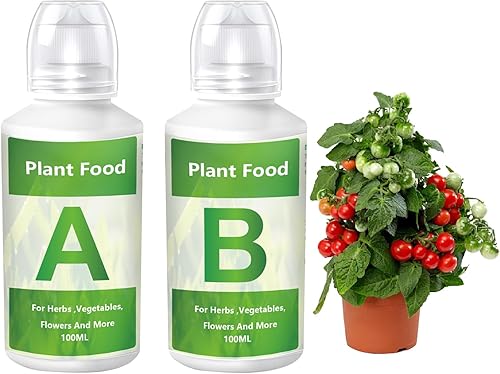
- Use two-part nutrients (A/B) to avoid precipitation, as standard in recirculating hydroponic systems and DWC, similar to the nutrient management advice you will find echoed across practical guides like those summarized in this Grozine hydroponic cotton article.
- Automate pH and EC control in any serious commercial build: inline sensors and dosing pumps are non-negotiable if you want stable uptake under high CO2 and variable light.
- Monitor drain: collect and test drain EC and pH daily in winter. When transpiration slows in low light, salts can build up fast.
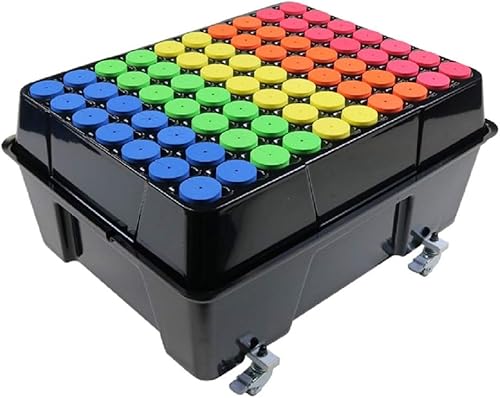
For smaller pilot bays or R&D benches, you can even run deep water culture or NFT sections, borrowing techniques from indoor systems, to quickly screen varieties and nutrient tweaks before rolling them across hectares.
4. What to watch long-term: benchmarks, ETS shifts, and ROI
The Romanian EUR 20M greenhouse is not a one-off story. It is an early signal of how Eastern Europe will scale protected tomato production. If you want that investment to age well, you need to track a few key metrics and policy shifts.
4.1 Core performance benchmarks
- Yield: for modern high-wire cultivars with winter lighting in continental Europe, target 60 to 70 kg/m²/year as a realistic range, depending on variety, density, and light strategy.
- Energy use: kWh of heat and electricity per kg of tomatoes, broken down by season. Use this to compare years and fuels, not just absolute costs.
- CO2 efficiency: kg of CO2 dosed per kg of fruit. If this number climbs without yield improving, you are overfeeding carbon relative to light or nutrients.
- Water and nutrient efficiency: liters per kg of fruit, and nutrient costs per kg. Recirculating hydroponic systems should beat soil benchmarks by a wide margin.
4.2 Policy and market watching
- Track ETS allowance prices and national implementation updates via sources like the EU ETS portal and specialized analyses such as this ETS 2 explainer.
- Monitor updates to biomass sustainability and heating and cooling strategies at EU and national levels, using official channels like the European Commission’s energy pages for bioenergy and heating/cooling.
- Review national support schemes for efficient heat, CHP, and greenhouse innovations; they can significantly shift ROI for retrofits like extra thermal screens or more efficient LEDs.
4.3 Operational habits that protect ROI
- Annual energy audits: treat heat and power like another crop. Measure, benchmark, and improve.
- CO2 and emissions log discipline: if it is not documented, it did not happen. That mindset will save you time when regulators or investors ask for proof.
- Pilot before scaling: test new spectra, CO2 setpoints, or nutrient tweaks in a small bay or DWC bench before committing the whole house.
- Keep a running 10-year model: update your fuel, carbon, and yield assumptions annually and re-evaluate major investments (like new boilers or LED upgrades) against that live model.
Done right, a Romanian-style high-wire tomato project is not just a gamble on cheap land. It is a long-term play on efficient, ETS-smart food production in a part of Europe that is still early in its greenhouse build-out curve. The growers who integrate energy, CO2, and compliance from the start will outlast the ones who simply buy the shiniest glasshouse.
As an Amazon Associate, I earn from qualifying purchases.