DWC Hydroponics Troubleshooting: Fix Root Rot, Algae, and pH Drift in Small Indoor Systems
If your DWC tote smells like a swamp and your lettuce looks like it regrets its life choices, it is not because you are “bad at hydroponics.” It is because small indoor Deep Water Culture systems are brutally unforgiving when a few key details are off.
The good news: root rot, algae blooms, and wild pH swings are all solvable engineering problems. Dial in your reservoir, oxygen, temperature, and sanitation, and DWC gets boring in the best possible way - stable, fast growth with minimal firefighting.
The Problem: Slimy Roots, Swamp Smell, and Yo-Yo pH
Most DIY winter DWC builds start the same way: a tote, a couple of net pots, an air pump, and a leafy-green dream. Two weeks later:
- Roots turn from bright white to tan, slimy, and stringy.
- A faint “pond” or rotten smell comes off the reservoir.
- The water line grows green slime where light leaks in.
- pH drifts from 5.8 to 7+ overnight, or crashes acidic after top-ups.
- EC climbs even though you are not feeding more, or drops fast as plants drink.
- Lettuce tips burn, basil stalls, and growth just plateaus.
In small indoor systems (5-25 L / 1-7 gal buckets and totes), everything moves faster: temperature swings, pH and EC drift, oxygen crashes, and pathogen growth. A design that is “good enough” for a big recirculating system can fail hard in a single bucket.
So if you are fighting hydroponic root rot, murky solution, and constant pH/EC correction, your system is telling you something very specific: the biology and physics inside the reservoir are out of balance.

The Cause: Light, Heat, Oxygen, and Chemistry Working Against You
Under the lid, a few core issues create most of the drama in deep water culture hydroponics. Once you understand these, troubleshooting becomes mechanical instead of mysterious.
1. Warm, Stagnant Water = Root Rot Heaven
Root rot in DWC is usually driven by opportunistic pathogens like Pythium. They thrive in:
- Warm solution above about 22-23°C (72-73°F).
- Low dissolved oxygen (DO), usually from weak aeration or biofilm-coated airstones.
- High organic load: dead roots, debris, sugary root exudates, and algae.
As noted in this OSU Extension guide, maintaining DWC solution around 18-22°C (64-72°F) and keeping DO high is key to staying ahead of root disease. Warm water holds less oxygen, so temperature and aeration are tightly linked.
2. Light Leaks = Algae Factory
Anywhere light hits nutrient solution, algae will colonize. Transparent or thin totes, uncovered net pot holes, and clear airline tubing all act as algae incubators. Algae then:
- Consume oxygen at night.
- Compete for nutrients.
- Break down into organic sludge that feeds pathogens.
Most beginner DWC reservoirs are simply not lightproof enough for indoor conditions where grow lights run 14-18 hours per day.
3. Tiny Volume = Wild pH and EC Swings
In small buckets, a thirsty head of lettuce can drink half the reservoir in a couple of days. That leads to:
- Rising EC when water is used faster than nutrients.
- Dropping EC when nutrients are taken up faster than water.
- pH drift as plants selectively absorb ions and the buffering capacity gets overwhelmed.
DWC systems need tighter pH and EC management than passive Kratky, because fresh solution is constantly in contact with roots and oxygen. Most leafy greens and herbs are happiest around pH 5.5-6.2 and EC roughly 0.8-1.4 mS/cm, depending on stage, as summarized in this DWC starter guide.
4. Poor Reservoir Design
A lot of DIY DWC reservoirs are just “a box that holds water.” Good DWC reservoir design does more than that:
- Minimizes light exposure.
- Provides enough volume to buffer pH/EC and temperature.
- Allows for clean plumbing of air lines and easy water changes.
- Uses food-safe, non-reactive plastics that do not leach.
As highlighted in several DWC overviews, the reservoir is the heart of the system, and its size and construction heavily drive stability and yields in deep water culture hydroponics here and here.

The Solution: Make Your Reservoir Boringly Stable
Let us turn the chaos into a predictable, stable environment. Here is how to systematically fix hydroponic root rot, algae, and pH/EC issues in small indoor DWC.
1. Lightproof the Reservoir and Root Zone
Your first job is to starve algae of light.
- Use opaque reservoirs: black or dark food-grade totes work better than translucent storage bins.
- Seal light leaks: tape over unused net pot holes; use black neoprene collars instead of bare openings.
- Wrap problem areas: if your tote is a bit translucent, wrap sides with reflective film or even black/white panda film.
- Cover tubing: route air lines so they do not let light shine down into the solution. Black tubing is ideal.
Goal: when the lid is on, you should not see any light on the water surface, even with the grow lights blasting.
2. Hit Dissolved Oxygen Targets With Proper Aeration
Deep water culture thrives on oxygen. You will not measure DO in most home systems, but you can design for it.
- Oversize the air pump: aim for at least 0.5-1 L/min of air per liter of nutrient solution for small buckets. For a 20 L tote, a 10-20 L/min pump is reasonable.
- Use multiple airstones: two medium stones often outperform one big one in spreading bubbles.
- Keep stones clean: soak in dilute hydrogen peroxide between runs or scrub slime off so they do not clog.
- Run air 24/7: do not cycle it. Roots in DWC expect continuous oxygen.
Research summaries on DWC systems highlight that highly oxygenated nutrient solution is one of the main reasons DWC can outperform other systems for growth rate as discussed here.
3. Control Water Temperature
For lettuce, basil, and most leafy greens, target:
- 18-22°C (64-72°F) as your DWC sweet spot.
- Above 24-25°C (75-77°F), root rot risk and oxygen stress climb sharply.
Practical ways to keep a small indoor reservoir cool enough:
- Keep the reservoir off hot floors and away from radiators.
- Run lights at night when ambient temps are lower.
- Use larger volumes: more water changes temperature more slowly.
- Frozen water bottles: for small systems, rotating frozen bottles can shave a few degrees.
4. Stabilize pH and EC With Smart Nutrient Management
Most of the “runaway pH” stories in DWC come from a mix of overfeeding, tiny reservoir volume, and irregular top-ups.
For leafy greens and herbs in deep water culture hydroponics:
- Start mild: 0.6-0.8 mS/cm for seedlings, 0.8-1.2 mS/cm for established lettuce, up to ~1.4 for heavy-feeding basil.
- Target pH 5.5-6.2: mix fresh solution to around 5.6-5.8 and let it gently drift upward before adjusting.
- Top up with plain water daily: return to starting water level using low-EC water so EC does not creep up.
- Full changes every 7-14 days in small systems to reset any imbalances.
- Use proper pH up/down products, not random household acids or bases.
Monitoring with a reliable pH/EC meter lets you catch trends early. As noted in a Virginia Tech fact sheet on DWC, meters for pH, EC, and DO are considered basic tools for managing hydroponic nutrient solutions effectively in this resource.
5. Get Calcium and Magnesium Right
Many root and leaf issues in hydroponic pH EC control are made worse by weak calcium and magnesium levels, especially if you are using very soft or RO water.
- Add a Cal/Mag supplement if your nutrient is not designed for RO/soft water.
- Mix order matters: add base nutrients to water, mix well, then Cal/Mag if required, then adjust pH.
- Watch for tip burn and marginal necrosis in fast-growing lettuce - often a sign that Ca delivery is lagging, not that EC is too high.
6. Sanitation Protocols That Actually Work
Clean systems get sick less. Your goal is not sterility, but to keep pathogen pressure low.
- Between runs: fully drain, scrub, and sanitize the reservoir, lid, net pots, and airstones with a mild bleach solution or hydrogen peroxide. Rinse thoroughly.
- During runs:
- Fish out dead roots and leaves promptly.
- Avoid sugary foliar sprays in the grow area.
- Do not stick dirty pH pens, fingers, or tools into the reservoir.
- Root rot triage:
- Lower water temperature and boost aeration immediately.
- Trim off obviously rotten roots and rinse gently in clean, cool nutrient or mild peroxide solution.
- Do a full reservoir change with fresh, slightly milder nutrient solution.
Combined with good reservoir design, these practices dramatically cut recurrence of hydroponic root rot in DWC.
The Evidence: What Stable DWC Looks Like in Practice
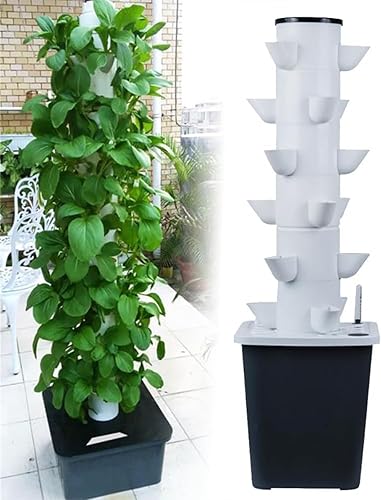
When your deep water culture hydroponics setup is dialed in, things get pleasantly boring:
- Roots stay mostly white to cream-colored, with no slime or bad smell.
- Algae is basically absent inside the reservoir. You might see a light biofilm on walls, but not green sludge.
- pH drifts slowly: maybe 5.7 to 6.1 over a couple of days, not 5.5 to 7.5 overnight.
- EC trends tell a story:
- If EC rises and water level drops: plants are drinking more water than nutrients - top up with plain water.
- If EC drops and water level barely changes: plants are eating nutrients aggressively - you can nudge EC up slightly.
- Growth is steady and fast: lettuce heads fill out, basil pushes new nodes every few days.
Guides on traditional DWC and hydroponic production of edible crops consistently recommend:
- pH roughly 5.5-6.5 for most leafy crops.
- EC around 1.0-1.6 mS/cm for lettuce and leafy greens, depending on cultivar and stage.
- Solution temperature near 18-22°C with strong aeration to maintain DO at levels that avoid hypoxia and reduce disease risk as outlined here and here.
For small indoor systems, your advantage is control: you decide the reservoir design, light exposure, aeration, and nutrient recipe. Once those are tuned, problems like hydroponic root rot and algae stop being recurring emergencies and become rare edge cases.
If your current bucket is a disaster, do not overthink it. Strip it back to basics:
- Lightproof and clean the reservoir.
- Upgrade aeration.
- Dial in temperature, pH, and EC for your crop.
- Lock in a simple sanitation routine.
Do that, and your winter lettuce, basil, and greens will stop surviving and start thriving.

As an Amazon Associate, I earn from qualifying purchases.