DIY Hydroponic Root Phenotyping: Stop Guessing, Start Selecting
Most indoor growers pick varieties based on catalog photos and yield charts, then act surprised when half of them melt in DWC or sulk in Kratky. The problem is simple: we select for foliage and flavor, but we never test the root system in solution until it is already hooked up to our main rig.
A recent Scientific Reports study tackled this head-on. They built a standardized hydroponic protocol to profile root system architecture in seedlings using a Modified Magnavaca solution and controlled aluminum stress. Translation for us: roots can be measured quickly, cheaply, and consistently in solution if you set the test up right.
This article turns that research into a practical, low-cost root phenotyping rig any serious indoor grower can run in a spare corner: nutrients, layout, imaging, and clear metrics so you can pick lettuce, basil, and tomato cultivars that survive low DO, pH drift, and nutrient swings before you commit them to your main system.
1. Common mistakes growers make with root traits
1.1 Choosing varieties by leaves, not roots
Catalogs, seed packs, and even most breeding programs sell you on foliage: color, head size, flavor notes, disease resistance in soil. Almost none of them tell you how the cultivar behaves in low-oxygen solution, or whether it keeps feeding when pH drifts to 6.5 for a day.
So growers do what seems logical: trial a mix of varieties directly in their production Kratky tubs or DWC buckets. What happens?
- Some seedlings explode with white, fluffy roots and dominate the system.
- Others stall, show brown tips, or drop leaves even though the nutrient mix is identical.
- We blame nutrients or equipment instead of accepting that some cultivars just have poor hydro root architecture for our conditions.
1.2 Ignoring early root architecture in seedlings
By the time a plant is in your main NFT channel or DWC bucket, you are several weeks and many kilowatt-hours in. That is the worst place to discover that:
- Roots are too sparse and cannot keep up with transpiration under your lights.
- The main root axis is too steep or too shallow to anchor well in net cups or channels.
- The plant collapses at the first hint of low dissolved oxygen (DO) or minor nutrient imbalance.
The Scientific Reports protocol showed that early root traits in solution (total root length, lateral density, angles) are measurable and consistent at the seedling stage under controlled conditions, even under aluminum stress (source). In other words: the roots are already telling you the story at 7–14 days; we just usually are not listening.
1.3 Treating your production system as your "test rig"
Many growers try to "trial" cultivars in their live system by mixing varieties per channel or bucket:
- Poor rooters drag down solution quality as they rot.
- DO demand, pH drift, and nutrient uptake patterns all overlap, so you cannot separate system issues from genetics.
- You end up changing settings (EC, pH range, aeration) around poorly adapted varieties instead of dropping them.
This is the hydroponic version of tuning your entire fertigation program around the weakest plant in your greenhouse. It is expensive and unnecessary.
1.4 Running root trials in soil or coco and assuming they translate to hydro
Some growers do trial varieties, but in soil, coco, or rockwool blocks with intermittent watering. That tells you something about vigor, but not how the cultivar behaves in constant solution contact or film flow (NFT):
- Roots in media experience more oxygen and different ion gradients.
- Root angle and branching that perform well in media may not anchor or feed effectively in thin film or deep solution.
- Media trials do not capture how roots respond to pH and EC swings in a shared reservoir.
If you grow hydroponically, you need to test in hydroponic solution.

2. Why these mistakes happen: no simple hydro root screening protocol
2.1 We lack a standard solution and stress setup
The Scientific Reports team worked with a Modified Magnavaca nutrient solution designed to probe root response to aluminum. For us, the important pieces are:
- A defined nutrient recipe with known ionic balance.
- Controlled stress (in their case, aluminum; for us, low DO, pH drift, or temporary EC shifts).
- Repeatable volume-to-plant ratios so roots experience similar nutrient and oxygen dynamics between trials.
Most hobby and small commercial growers do not have an easy protocol to copy, so they "eyeball" trials with whatever nutrient mix they are currently using. That makes it very hard to compare cultivars or runs.
2.2 Roots are harder to assess than leaves
It is trivial to walk a room and rate lettuce heads by size and color. Roots? You either:
- Rip plants out of the system and lose them.
- Try to peer through opaque buckets.
- Glance at a few net cups and guess.
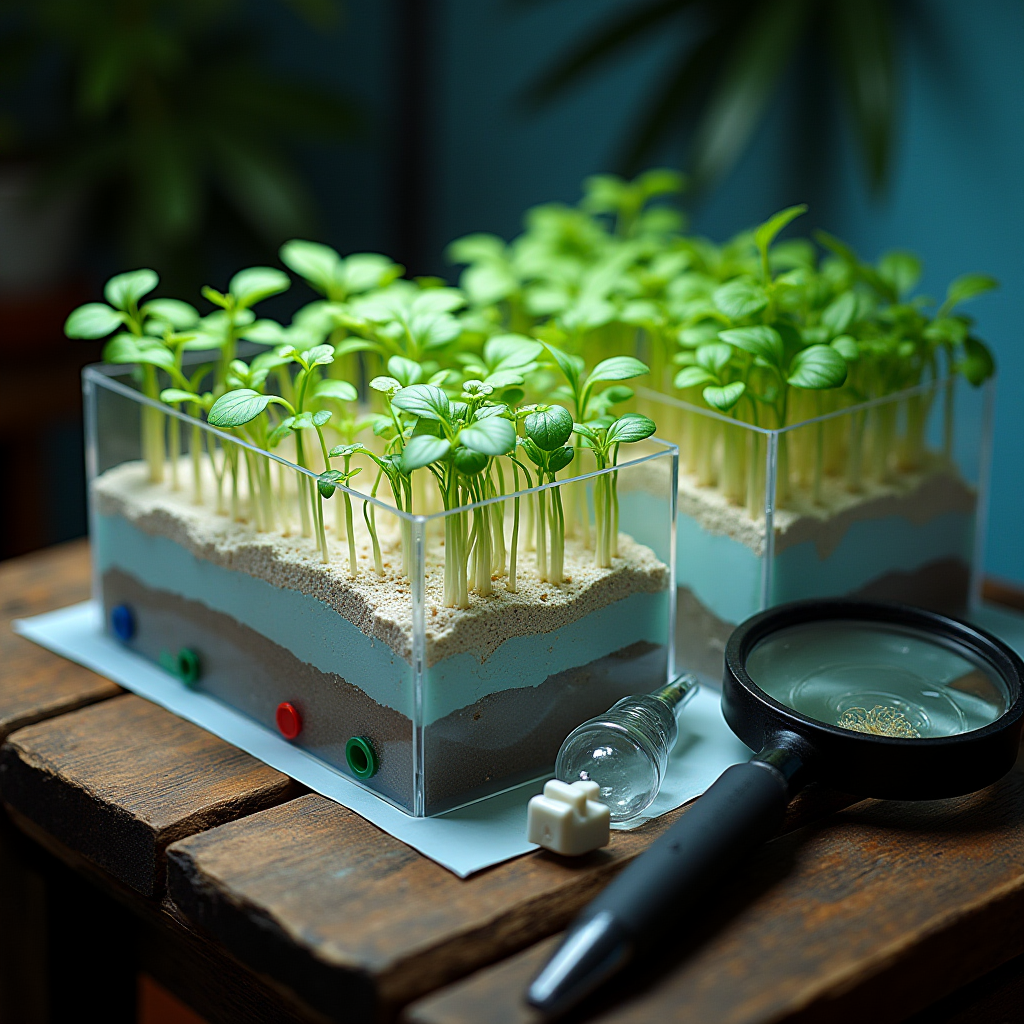
The study solved this by growing seedlings in solution in transparent tubes or containers, then imaging roots against a consistent background using simple setups and analyzing root architecture with software (source). You can replicate the spirit of that with a phone camera, a cheap backlight, and basic measurement tools.
2.3 System design hides root weaknesses
Modern DWC and NFT systems are powerful, but they are also forgiving when overbuilt:
- Oversized air pumps can mask cultivars that collapse under low DO.
- Massive reservoirs buffer pH drift so slow-responding varieties look okay, until you scale down or run leaner.
- Recirculating systems average out nutrient uptake differences between plants, so you do not see which cultivar is the "problem child."
In a dedicated seedling screening rig, you intentionally reduce those buffers so weak root systems reveal themselves quickly, in a controlled and low-risk way.
2.4 No clear metrics for "good hydro roots"
Most growers rely on vague language: "nice roots," "good mass," "vigorous." Root science and the Scientific Reports study give us better tools. Root system architecture metrics that actually matter for hydro include:
- Total root length - proxy for exploration and uptake capacity.
- Lateral density - how many side branches you get per main axis length.
- Root angle - distribution between steep (downward) and shallow (more horizontal) branching.
These metrics correlate with how plants handle nutrient stress, toxic ions, and low oxygen in solution (source). You can approximate them visually and with simple measurements, no fancy lab required.
3. How to fix it: build a DIY hydroponic root phenotyping rig
3.1 System overview
Goal: create a small, repeatable "test bench" where you can run 10–40 seedlings per variety in a controlled hydroponic solution, apply mild stress, and score root traits within 7–14 days.
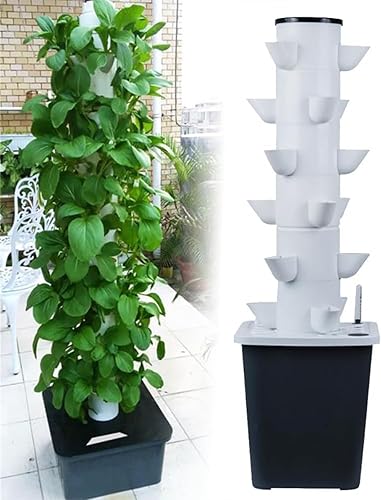
This rig is intentionally simple and modular so you can adapt it to Kratky, DWC, or NFT workflows.
3.2 Hardware you need
- Containers
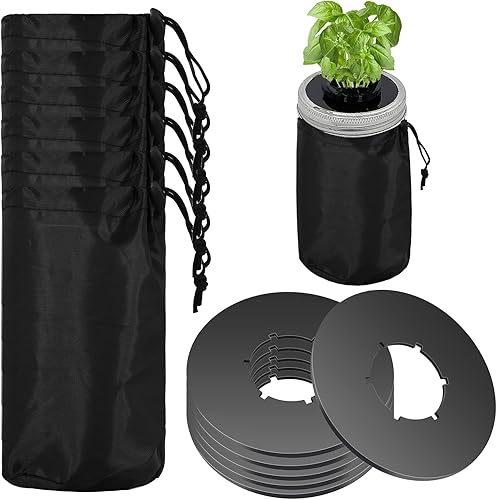
- Option A (Kratky-style): 1–2 L clear or translucent food-grade tubs with lids, or wide-mouth jars with blackout sleeves. One container per variety or per small group.
- Option B (mini-DWC): Same containers but with a small airstone per tub.
- Seedling holders
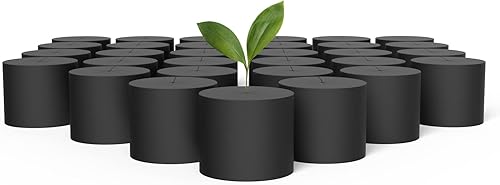
- 1–1.5 inch net cups or foam collars to suspend seedlings just touching the nutrient surface.
- Lighting
- Any decent LED grow light capable of 150–250 µmol/m²/s at the canopy, 16 hours on / 8 off.
- Measurement tools
- pH pen, EC meter, and a DO meter if you want to be precise.
- Phone camera, simple tripod, and a flat white or black background sheet.
- Optional: graph paper or a printed scale to place behind roots during imaging.
3.3 Modified Magnavaca-inspired solution for horticultural crops
The original Modified Magnavaca solution is tuned for studying aluminum tolerance in crops like sorghum and maize, using defined macronutrient and micronutrient concentrations plus aluminum salts at low pH (source). For lettuce, basil, and tomato screening, you can adapt the concept rather than copying exact ion ratios:
- Use a balanced hydroponic base nutrient (lettuce/basil: general leafy formula; tomato: fruiting formula) and dilute to seedling strength.
- Run a stable base EC and then add your "stress" as a controlled variable (low DO, pH, or EC fluctuation) instead of aluminum.
Baseline solution (per 10 L) for seedlings:
- Use manufacturer’s recommended vegetative dose for your nutrient brand.
- Dilute to 0.6–0.8 mS/cm EC for lettuce and basil; 0.8–1.0 mS/cm for tomato seedlings.
- Adjust pH to 5.8–6.0.
This gives you a "Modified Magnavaca style" solution: defined, mild, and repeatable. You are not chasing perfect production yield here; you are looking for clear separation between cultivars.
3.4 Designing the stress tests
Pick stressors that mimic the weak points of your real system. A few practical options:
- Low DO tolerance test
- Run one tray Kratky-style with no aeration.
- Run another with a small airstone, same solution, same cultivar.
- Compare root color, length, and branching at day 7 and 14.
- pH drift tolerance test
- Start all tubs at pH 5.8.
- Allow one set to drift naturally for 48 hours before correction.
- Keep the control set tightly between 5.6 and 6.0.
- Watch which cultivars lose root brightness or stall under drift.
- Nutrient imbalance / lean feed test
- Run one set at 0.6 mS/cm and another at 0.9–1.0 mS/cm.
- Look at which varieties maintain lateral density and root vigor at the lower EC.
3.5 Root imaging setup (cheap and repeatable)
Once roots have filled some solution (day 7–14), you need consistent images:
- Carefully lift each seedling, keeping roots wet.
- Place roots against a white or black plastic sheet standing vertically, with a printed ruler or graph paper next to them.
- Take a straight-on photo from the same distance each time (fix your tripod distance and height).
- Return the plant to the solution quickly.
Later, you can:
- Estimate total root length by counting grid intersections (simple grid-count method).
- Assess lateral density by counting visible branch points along the main root axis.
- Estimate root angle by grouping roots into "steep" (mostly vertical) vs "shallow" (more horizontal spread) by eye.
You do not need lab software. You need repeatability and side-by-side comparisons.
4. What to watch long-term: selection metrics and how to use them
4.1 Core metrics to log for each cultivar
Build a simple spreadsheet and log the following per cultivar and test condition:
- Survival rate at day 14
- % of seedlings that remain healthy, turgid, and without significant root browning.
- Total root length score
- Rank each plant 1–5 compared to others in the same trial, based on visual length or grid counts.
- Lateral density score
- Rank 1–5 based on how "hairy" the roots appear along the main axis.
- Root angle class
- Note whether roots are mostly steep, mixed, or mostly shallow.
- Stress response
- Any browning, thickening, or pruning of roots under low DO or pH drift.
You are not chasing perfect measurements; you are looking for clear separation between varieties in the same conditions. If cultivar A consistently scores higher total root length and lateral density than cultivar B under low DO, that is meaningful for your DWC system.
4.2 How to interpret root traits for different system types
- Kratky and passive systems
- Favor cultivars with high lateral density and mixed root angles.
- You want roots that form a dense mat in the air gap as solution drops, not a single dangling rope.
- DWC and bubbled reservoirs
- Favor cultivars with strong total root length and tolerance to low DO tests.
- Some downward-facing root mass is fine as long as the outer zone stays white in low-aeration tubs.
- NFT channels
- Favor cultivars with mixed to shallow angles so roots spread along the film.
- Too many steep roots can lead to clumps and channel blockages.
4.3 Linking seedling scores to real-world performance
Once you have a few rounds of data, validate your selection:
- Take your top 2–3 cultivars by root metrics and run them in your main system under normal conditions.
- Take 1 lower-ranked cultivar as a "control" and run it side by side.
- Track time to harvest, incidence of root problems, and yield.
You should see that cultivars with stronger seedling root scores handle:
- Minor pump failures or short-term aeration loss better in DWC.
- Longer reservoir intervals in Kratky before showing stress.
- Less tip burn and fewer deficiencies when EC or pH wander a bit between checks.
4.4 Setting your own selection thresholds
Over time, your root phenotyping rig becomes a gatekeeper. For example:
- "We only deploy lettuce cultivars that maintain at least 80% survival and a root length score of 4+ under a 48-hour no-aeration test."
- "We only use basil cultivars that keep lateral density scores of 4+ at 0.6 mS/cm EC, since we run lean nutrients."
This is how you stop your production system from being a genetic roulette wheel.
Bringing it all together
Indoor farms fail all the time, not because growers cannot mix nutrients or manage lights, but because the genetics they run were never selected for hydro roots. The Scientific Reports team showed that root system architecture can be measured quickly and consistently in a defined hydroponic solution with controlled stress (source). You can put that insight to work right now.
A simple seedling screening rig with a Modified Magnavaca-inspired solution, intentional stress tests, and basic imaging will let you:
- Drop poor-performing cultivars before they ever reach your main channels or buckets.
- Pick varieties that keep feeding when DO dips or pH drifts.
- Match root architecture to system type: Kratky, DWC, NFT, or hybrids.
Once you have seen the difference between a random cultivar and one that was actually selected for your indoor hydro system, it is hard to go back. Treat root phenotyping like you treat EC control or lighting schedules: part of the standard operating procedure, not an afterthought.
As an Amazon Associate, I earn from qualifying purchases.