Design Indoor Hydroponic “Third Places” for Campuses & Workplaces: Evidence‑Based Layout, Crop Choices, and SOPs That Boost Wellbeing and Participation
Most people think a hydroponic room is just a high-tech way to grow greens. In a campus or workplace, that mindset quietly kills the real value: a reliable “third place” where people actually want to spend time.
If you design an indoor hydro garden like a lab or a warehouse, you get impressive plants and empty chairs. Design it like a human-centered third place, and you get stress relief, informal mentoring, better cross-team relationships, and a steady stream of volunteers who keep the system running.
A recent qualitative study of a campus community garden found that participants valued the garden as a social refuge as much as a food source, with themes of belonging, shared purpose, and emotional regulation woven through their feedback (PLOS ONE study). Most of that guidance assumes outdoor soil plots. Indoors, with hydroponics, you have to engineer those “third place” benefits on purpose.
This guide breaks down how to do that using a mistakes-first structure: what goes wrong in indoor hydroponic community spaces, why it happens, and how to fix it with layout, crop choices, lighting, environmental targets, participation design, and simple SOPs that are realistic to run in a busy institution.
1. Common mistakes that quietly kill indoor hydroponic “third places”
1.1 Treating the garden as a production lab, not a social space
Most institutional hydro rooms are built like small research labs: narrow aisles, wall-to-wall racks, standing-only work, and no comfortable place to sit. That works if your goal is data and yield. It fails if your goal is wellbeing and participation.
The PLOS ONE campus garden study found that people valued: informal conversation, a sense of being “away” from academic pressure, and the ability to control how social or solitary they were (PLOS ONE). You do not get that in a room where every square meter is crammed with hardware.
1.2 Uncomfortable lighting for humans
Blurple LED bars blasting in every direction make for great plant memes and terrible human spaces. Reviewers of smart indoor gardens like the Gardyn Studio have consistently called out light spill and glare as major comfort issues in living spaces (The Verge review). Multiply that by ten in a campus room with no shielding and you get headaches, eye strain, and complaints to facilities.
1.3 Ignoring humidity, noise, and odors
DWC buckets, NFT channels, and tower systems throw off humidity and noise. Unmanaged, you end up with clammy air, condensation on cold surfaces, and a constant pump buzz that makes people leave faster than they arrive.
Strong-smelling plants (big basil, flowering herbs, or any cannabis-adjacent experiments) and algae-scented reservoirs push away scent-sensitive users and can trigger complaints. In a third-place setting, “neutral” air is your friend.
1.4 Choosing crops and systems that are fragile or high-risk
Running fruiting tomatoes on an under-aerated DWC system in a mixed-use campus room is asking for root disease, toppled trellises, and sticky foliage everywhere. Likewise, running complex RDWC or high-pressure aeroponics with lots of custom plumbing and firmware is fine for a research group, but it is fragile when volunteers rotate every semester.
The National School Lunch Program hydroponics guidance for K-12 emphasizes robust, simple systems and easy greens over high-risk crops for exactly this reason (Grozine NSLP hydroponics article). The same logic applies to universities and workplaces.
1.5 No clear roles, schedules, or “who does what when”
Plenty of campus and corporate hydro projects start strong and then drift into gray territory: nobody is sure who owns the pH meter, who can harvest, who orders nutrients, or who is allowed to bring tour groups in. That uncertainty makes people disengage and leaves the system to one burned-out champion.
1.6 Sanitation and IPM as an afterthought
You do not need full GMP manufacturing standards, but you do need basic HACCP-style thinking: where could contamination or pests enter, how would you detect them early, and what is the pre-agreed response? Without this, you end up overusing sprays, losing crops, or having to shut the room down mid-semester.
2. Why these mistakes happen in institutional hydroponic spaces
2.1 Designers optimize for plants and equipment, not people
Most institutional hydro projects are led by facilities, engineering, or agriculture folks. Their instinct is to maximize plant count per square meter, standardize on one system type, and treat seating as optional. That is exactly the opposite of what a third place needs.
The PLOS ONE community garden study shows that perceived benefits came from social connection, agency, and a restorative atmosphere as much as from harvest volume (PLOS ONE). When design decisions ignore those human variables, you get a technically efficient room that fails its wellness mission.
2.2 Vendors oversell “smart gardens” as plug-and-play
Consumer smart towers and wall units look turnkey, but in practice they still need pruning, cleaning, pH management, and some noise and light control. Reviews of devices like Gardyn’s Studio series highlight that you cannot just park them in a common room without thinking about glare, fan noise, and app notifications in shared spaces (The Verge).
When campuses or offices scale up from these devices without rethinking layout and SOPs, they inherit the same comfort issues on a larger stage.
2.3 Operational risk is underestimated
Hydroponics looks clean compared to outdoor beds, so risk perception is often too low. But in a shared indoor environment you are juggling:
- Electricity and water near each other
- Chemical storage (acids, bases, concentrated nutrients)
- Allergen and odor exposure
- Food-safety expectations if people eat the harvest on site
Without HACCP-style thinking, projects default to improvised responses: ad hoc pest sprays, inconsistent cleaning, and unclear rules about who can consume what.
2.4 Participation is bolted on after the build
Too many projects build the room, then later ask “how do we get people in here?” Instead, the third-place function needs to drive the technical design:
- How many people should be able to sit comfortably at once?
- What tasks are suitable for drop-in visitors versus trained volunteers?
- How will you accommodate people with mobility, sensory, or time constraints?
If you answer those questions late, you end up trying to wedge chairs into an already crowded room, or asking casual visitors to take on tasks they are not trained for.
2.5 Compliance and optics pressure
In universities and corporate environments, optics matter. One moldy NFT channel or a sticky spill left overnight can trigger a quick clampdown from risk management. When policies and SOPs are vague, the path of least resistance for administrators is to restrict access, which kills the third-place function.

3. How to fix it: design, crops, lighting, environment, and SOPs that serve people first
3.1 Space planning: layout that behaves like a third place
3.1.1 Zoning the room
Instead of one homogenous “grow room,” deliberately create three zones:
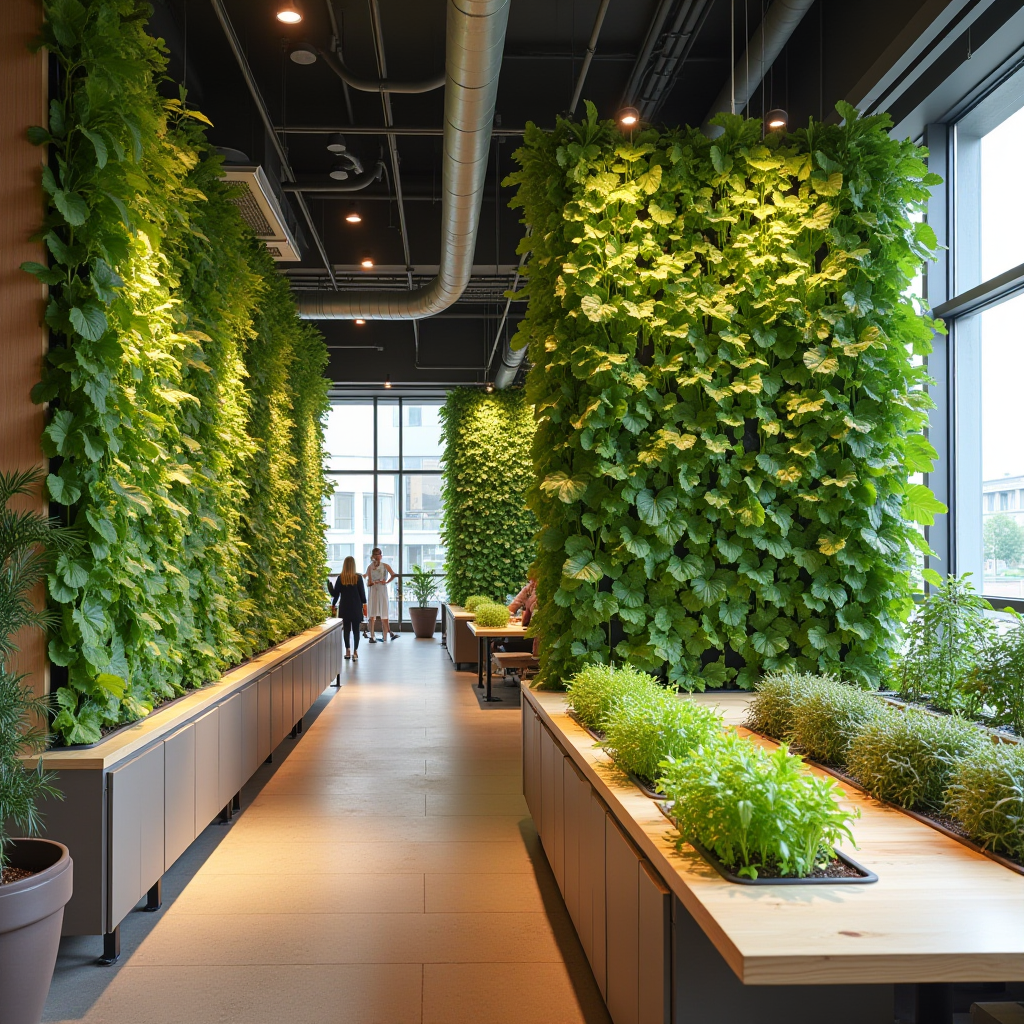
- Social zone (front/center): Small round tables, movable chairs, a whiteboard, and one or two visually lush but low-odor systems (leafy greens, compact herbs). This is where conversations and casual tasks happen.
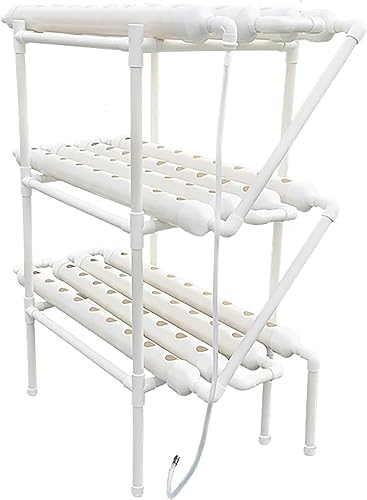
- Grow zone (back and sides): Racks with DWC, NFT channels, or towers. These can run brighter, more technical lighting and be slightly louder.
- Quiet/reflection zone: A corner with 1–2 chairs facing plants, shielded from main traffic and glare. Think “micro break” space for someone to sit for 5–10 minutes, watch bubbles, and breathe.
Keep aisles at 1–1.2 m (3–4 ft) minimum to allow wheelchairs and carts to pass and to make it comfortable for two people to work side by side.
3.1.2 Seating and work surfaces
- Mix standing-height benches (for reservoir work) with seated-height tables (for seeding and reflection activities).
- Use chairs with backs and at least some soft seating. People stay longer when they can actually relax.
- Ensure at least one workspace is accessible for wheelchair users: knee clearance, reachable controls, and reservoirs that can be serviced without lifting heavy lids above shoulder height.
3.2 System selection: simple, quiet, and forgiving
3.2.1 Kratky tubs for low-load, low-risk engagement
Kratky is perfect for:
- Desks or office “loaner” systems
- Beginner shelves (“your first grow” series)
- Spaces where pump noise would be intrusive
Run Kratky with:
- Opaque 15–30 cm deep tubs
- Leafy greens and mild herbs that finish in 30–45 days
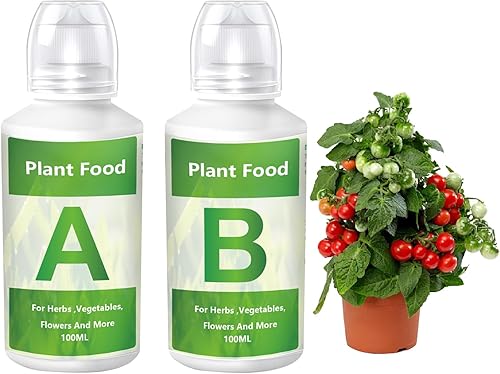
- Pre-mixed nutrient solution at 0.8–1.2 mS/cm EC, pH 5.8–6.2
Label each tub with a big, simple card: crop, start date, “do not top up with nutrients, only pH-adjusted water.” This prevents well-meaning overfeeding.
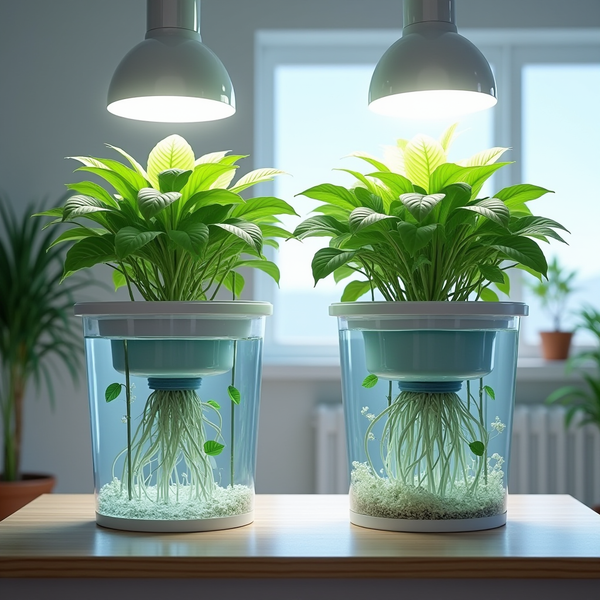
3.2.2 DWC for “hero” systems that anchor the room
Use DWC (or simple recirculating DWC) for the main attraction plants:
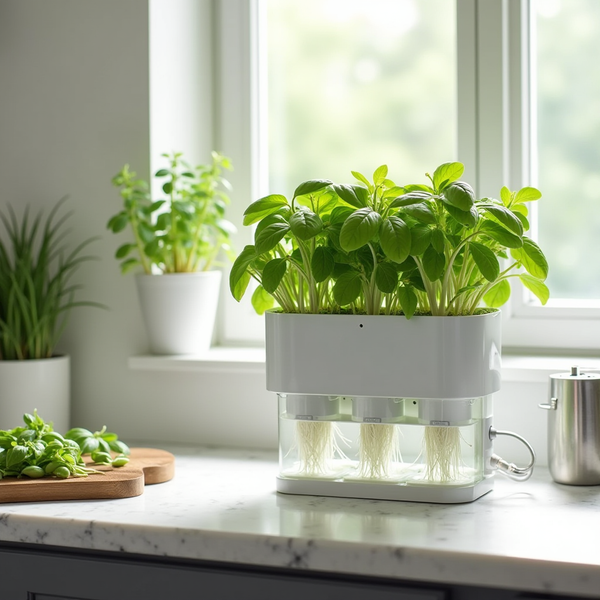
- Larger basil, Swiss chard, pak choi
- Visually interesting mixed herb rafts
- Possibly one small-fruit variety (dwarf pepper) if you have stable support and maintenance
Design for stability, not pushing limits:
- Large, opaque reservoirs (40–100 L) to buffer temperature and EC swings
- Oversized, quiet air pumps mounted off the floor, with drip loops
- Target EC ranges: 0.8–1.6 mS/cm for lettuces, 1.2–2.0 mS/cm for herbs
- pH band 5.8–6.2 for mixed leafy crops
Mount simple, laminated “Daily DWC checks” cards at eye level on each rack.
3.2.3 What to avoid in third-place environments
- Highly aromatic or allergenic plants (strong flowering herbs, anything sticky or resinous)
- Open composting, vermiculture, or anything that smells earthy in a bad way inside the room
- Unshielded high-pressure aeroponics (noise, mist, and complexity do not pair well with casual users)
3.3 Crop selection: “social crops” over trophy plants
Choose crops by three criteria: low odor, fast cycle, and high “shareability.” Good candidates:
- Leaf lettuce mixes and romaine minis
- Baby kale, tatsoi, mizuna
- Parsley, chives, cilantro (watch for cilantro-sensitive folks)
- Compact basil varieties (in moderation and away from the quiet zone)
- Edible flowers with mild scents (nasturtium, viola) in small numbers
Build a simple crop calendar: 6–8 week cycles, with staggered starts so there is always something to harvest and something newly planted. This supports repeated short visits, which the campus garden study linked to ongoing wellbeing benefits and a sense of continuity (PLOS ONE).
3.4 Lighting: comfortable for people, productive for plants
3.4.1 Ambient vs task lighting
- Ambient lighting: Use warmer 3000–4000 K ceiling or wall lights to make the room feel like a lounge, not a warehouse.
- Task/grow lighting: On racks, use full-spectrum white LED grow bars or panels around 4000–5000 K. Avoid pure red/blue “blurple” where people sit.
- Add simple baffles or side panels on racks to keep glare out of seating zones and corridors, a common complaint in consumer smart gardens (The Verge).
3.4.2 Light schedules and visual comfort
- Run primary grow lights 14–16 hours/day for leafy crops, but schedule the brightest racks to dim or turn off by early evening if the room is open late for study or events.
- Place the brightest, highest-intensity systems furthest from eye level seating lines; keep softer, lower PPFD systems near tables.
3.5 Environmental targets: humidity, noise, and air
- Humidity: Aim for 45–60% RH. Above ~65% sustained, you will see condensation and higher disease risk. Use a small dehumidifier with a drain line if needed.
- Temperature: 20–24 °C is comfortable for both people and most leafy crops. Avoid hot ceiling microclimates that cook LEDs.
- Noise: Specify quiet pumps and fans; mount them with rubber isolators. If users can clearly hear pump vibration over conversation, it is too loud.
- Odors: Use lids, opaque reservoirs, and tight plumbing. If you can smell nutrients, you probably have algae or biofilm starting; make that a trigger for immediate cleaning.
4. What to watch long-term: participation, inclusivity, and clean operations
4.1 Inclusive participation design
4.1.1 Tiered engagement levels
Borrow from successful campus garden programs and structure participation at three levels (PLOS ONE):
- Drop-in users: No signup required. They can sit, observe, and do simple tasks like harvesting from a “ready” bed or topping off a marked reservoir under supervision.
- Garden members: Students or staff who complete a short orientation and take on recurring tasks (weekly checks, pH/EC logging, seeding, pruning).
- Program leads: Staff/faculty or senior students who handle nutrient ordering, meter calibration, incident response, and liaison with facilities.
4.1.2 Scheduling for different needs
- Offer “quiet hours” where conversation is optional and the focus is on solo or reflective tasks.
- Offer “social hours” where group planting, harvesting, and informal teaching happen.
- Use online signups for group visits to avoid crowding and maintain a calm environment.
4.2 Simple HACCP-style SOPs for sanitation and IPM
4.2.1 Map your critical control points
On a printed layout, mark where problems are most likely to start:
- Seedling area (damping-off, fungus gnats)
- Reservoirs and return lines (biofilm, algae, leaks)
- Entry points (shoe dirt, personal items on benches)
For each point, define:
- What you monitor (visual check, sticky trap counts, turbidity)
- How often (daily, weekly)
- What triggers action (e.g., more than 5 fungus gnats per trap per week)
- What the agreed response is (e.g., yellow sticky cards plus replacing one affected raft)
4.2.2 Standard cleaning routines
Create two cleaning SOPs:
- Turnover clean (between crops): Drain, scrub, sanitize, rinse, and air-dry reservoirs and channels. Swap air stones if they are slimy or discolored.
- Mid-cycle clean: Wipe exterior surfaces, trim dead leaves, clean floor around racks, sanitize high-touch surfaces (valve handles, lids).
Use food-safe sanitizers compatible with your institution’s safety policies. Make it easy to do the right thing by ensuring cleaning supplies are close to the action, labeled, and logged.
4.2.3 Low-toxicity IPM as a default
- Start with exclusion (clean starts, no outdoor plants brought in), environmental control (airflow, humidity), and manual removal (pruning, sticky traps).
- If you need biological controls (beneficial insects), coordinate with facilities and clearly label release dates and species.
- Avoid sprays that could trigger sensitivities in enclosed spaces; if they are absolutely necessary, schedule them when the room is closed and post clear signage.
4.3 pH/EC SOPs built for rotating volunteers
To keep things robust with changing staff and students:
- Standardize on one make and model of pH and EC meter if possible.
- Write a one-page “Meter Care & Use” SOP with photos: storage, calibration steps, and what a good reading looks like.
- Calibrate weekly with a designated person responsible; log dates and results.
- Keep a simple pH/EC target chart per system and crop, posted on the rack itself.
Emphasize “measure first, adjust second” and require leads to sign off on big corrections to avoid inexperienced users chasing numbers.
4.4 Evaluation and storytelling
If you want the program to survive budget cycles and leadership changes, you need data and stories. Many grant programs, including hydroponics initiatives tied to school meal programs, emphasize participation, education, and wellness metrics as much as production (Grozine).
At minimum, track:
- Weekly visitors (head-count or sign-in)
- Number of workshops and course sessions hosted in the space
- Harvest weights by crop and system
- Short, anonymous “how did you feel before/after visiting?” sliders during midterms or crunch periods
Use that data to adjust layout (if people cluster in one corner, that is your true third-place core) and to justify expansions or upgrades.

Bringing it together: build for people, not just plants
Indoor hydroponic “third places” work when you treat human comfort, accessibility, and psychological safety as primary design constraints, not afterthoughts. The research on campus gardens and therapeutic horticulture lines up with what seasoned growers see on the ground: people come back to spaces where they feel a sense of agency, connection, and calm (PLOS ONE).
If you are planning or rescuing an indoor hydro room on a campus or in a workplace, walk the space with two checklists:
- One for plants: light, pH/EC, system stability, sanitation, and IPM.
- One for people: seating, sight lines, sound, smell, access, and clear roles.
Dial both in, and you will get more than nice-looking lettuce. You will get a reliable, year-round third place where people decompress, learn, and actually want to help keep the system running.
As an Amazon Associate, I earn from qualifying purchases.