The Scenario
An eight-pod countertop system looked like the perfect winter grow. Seeds in, water up, light on. By week three, the lettuces were cruising, but the dwarf tomatoes started to lean and crowd the light. That’s the line the Ahopegarden walks: a compact, affordable hydroponic garden that excels with small, fast crops and needs a plan when you push into heavier fruiting plants.
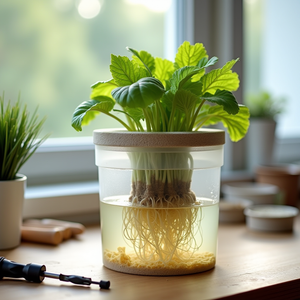
What makes it work is the simplicity. The Ahopegarden arrives mostly assembled, includes dehydrated nutrients to get you started, and runs an automatic light cycle with two modes you can toggle for leafy greens or for flowering and fruiting. A quiet circulation pump keeps roots oxygenated, and a clear window on the reservoir makes water checks quick. In my hands, this setup suits herbs, lettuces, bok choy, Thai basil, and small-stature fruiting varieties like dwarf cherry tomatoes or hot peppers, with best results when plants remain compact. Capacity is eight sites, which is the sweet spot for a kitchen counter.
The Breakdown
The draw is value. At roughly the cost of a single premium seed kit from a higher-end brand, the Ahopegarden’s kit gives you eight sites, an adjustable LED bar with two modes, and a pump. It’s positioned as a budget alternative to systems like AeroGarden, and that’s accurate: you trade smart features and refined full-spectrum tuning for a simple, hands-on machine that grows reliably when you choose the right crops and spacing.
There are real limitations. The headroom and light output favor compact plants. Larger or heavy fruiting crops will need stakes or an exit plan to soil once they outgrow the pod deck. Occasionally, users report malfunctioning lights or flashing indicators; there’s no companion app to diagnose, so you’ll rely on basic troubleshooting and customer support. The automatic schedule is fixed - it “runs on a fixed 16-hour on, 8-hour off timer” that starts when you plug it in. That simplicity keeps things moving, but it also means you plan your daily cycle and resets around that plug-in time. Price-wise, it’s a strong buy for herbs and greens; for larger plants, think of it as a fast, clean seedling starter instead of a full-season fruiting rig.

The Action Plan
Lean into what this unit does best. Load it with quick, compact crops: lettuce mixes, basil, cilantro, bok choy, mint. Use the vegetable mode for leafy growth, then flip to the flower/fruit mode if you’re finishing dwarf tomatoes or peppers on the deck. For bigger plants, start them here to speed germination and early growth, then transplant before they become top-heavy. The included dehydrated nutrients work fine for starts and leafy runs; stick to the basic feeding intervals and top off water using the reservoir window as your guide.
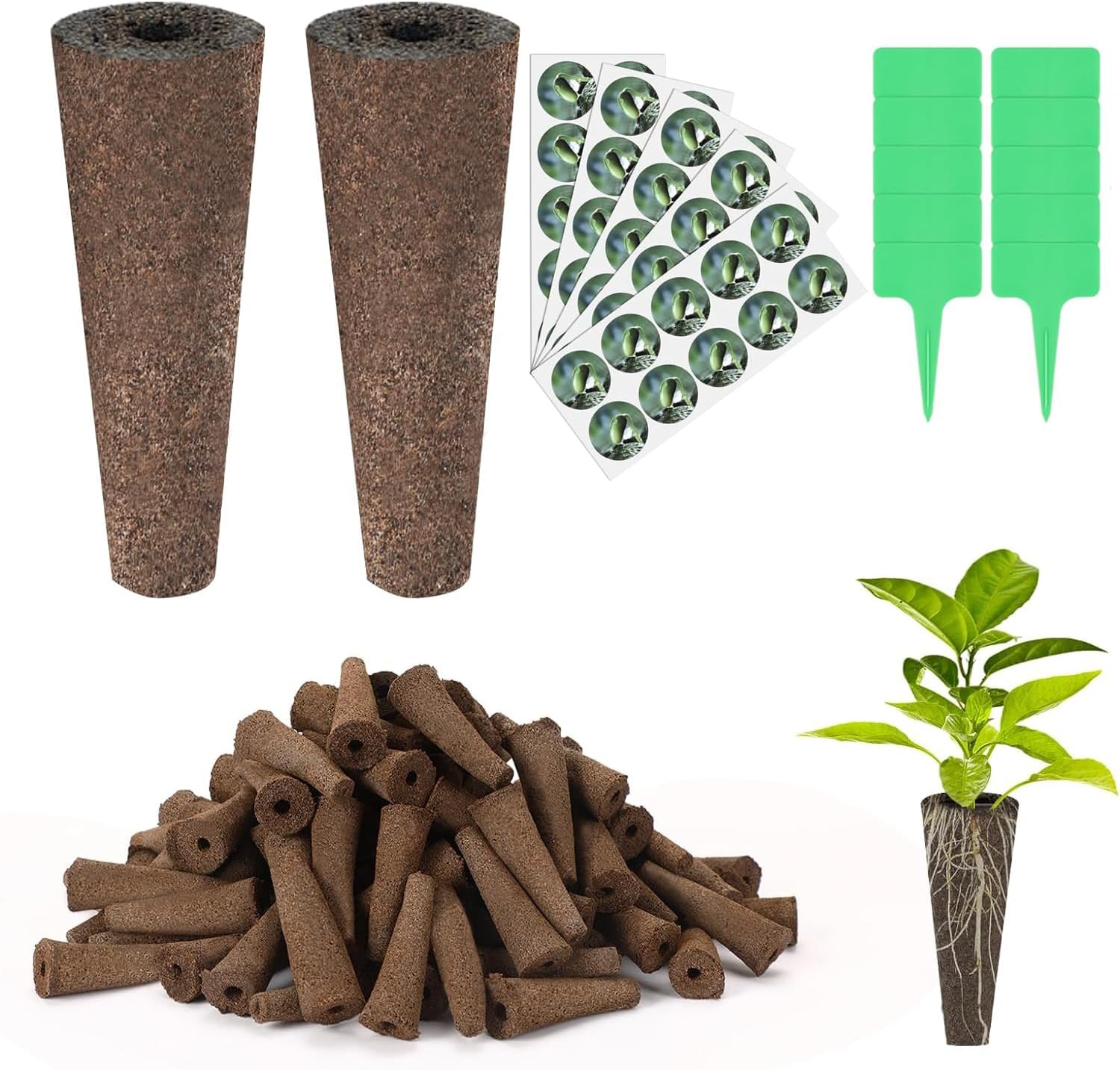
Keep the routine tight. Set the light schedule by plugging in at your preferred start time, and leave it alone. Listen for the pump - it’s quiet by design, cycling to oxygenate roots - and keep an eye on root color and vigor when you lift a pod. If you see a light flashing or a bar that won’t power, skip guesswork and contact support. Seeds aren’t included, so pick varieties bred for compact growth. For dwarf cherry tomatoes, give them a stake early; for hot peppers, plan to move them out once clusters set. This is how you turn a budget system into a consistent fresh-herb machine and a reliable plant starter.

Benchmarks & Metrics
Use clear benchmarks to judge performance. Lettuce should sprout in about 4 to 7 days, tomatoes around 14 to 21 days, and peppers can take up to 21 days. That’s the cadence I’ve seen consistently echoed by growers and in my own runs. For herbs and greens, expect fast, compact growth with the vegetable mode and a regular top-off routine. Eight active sites will feel full with mixed lettuces and herbs; for fruiting crops, reduce sites to maintain airflow and headroom.
Operationally, the fixed 16/8 light schedule removes guesswork, the pump stays unobtrusive, and cleaning is straightforward between cycles. The value proposition is strong: an affordable counter unit that reliably produces salads and herbs and doubles as a seed-starting station for outdoor transplants. If you need app control, advanced spectrum tuning, or long-term support for big plants, a pricier system like AeroGarden may fit better. If you want fresh greens and steady starts with minimal fuss, Ahopegarden earns its keep source.

As an Amazon Associate, I earn from qualifying purchases.