Accessible Hydroponics for Seniors: Build Systems That Don’t Fight Your Body
“Hydroponics is too fiddly for older folks” gets repeated a lot. It is wrong.
Hydroponics becomes hard for seniors when the system is designed for young backs, perfect eyesight, and lots of grip strength. Fix the design, and the growing becomes easy again.
With ageing populations and more focus on therapeutic indoor growing, cities like Barcelona are already piloting tech to help older adults stay independent and socially connected, including through better in-home support systems and monitoring tools, as covered in this SmartCitiesWorld report. Hydroponics can sit right inside that picture: highly controllable, indoors, close to the kitchen table. But only if we design the hardware and workflows around older bodies, caregivers, and the realities of water management in senior living.
This guide is all about practical, accessible hydroponic system design for seniors: ADA-informed bench heights and reach distances, low-lift reservoirs and carts, safe valves and fittings, spill containment, humidity and Legionella risk control, and large-print, audible monitoring that works with low vision and hearing changes.
1. Common Mistakes In Senior Hydroponic Setups
1.1 Benches and reservoirs built for young backs, not ageing joints
The classic indoor hydroponic bench is a back killer for older growers. Too low, too deep to reach, and paired with a heavy reservoir on the floor that demands deadlifts to service.
Even though we have clear accessibility guidance from ADA standards on work surface height, knee space, and reach ranges for wheelchair users and people with limited mobility, most DIY hydroponic builds ignore it. ADA-compliant work surfaces sit around 28–34 in (71–86 cm) with 27 in (68.5 cm) minimum knee clearance and reach ranges kept between 15–48 in (38–122 cm) above the floor, as outlined in the 2010 ADA Standards.
When hydro benches are lower or deeper than that, seniors end up leaning, twisting, and over-reaching for every trim, transplant, and pH check. That is how you turn a therapeutic hobby into a pain generator.
1.2 “Invisible” controls and labels
Almost every commercial indoor grow article talks about space and power, as in this Garden Culture guide to indoor grow space selection, but they rarely deal with ageing eyes.
In senior hydroponic gardens I review, I see the same problems again and again:
- Small, low-contrast LCD readouts on pH/EC meters.
- Handwritten plant labels in fine marker on white plastic.
- Nutrient stock bottles with tiny print and similar colors.
If you cannot confidently read a meter or bottle without squinting or a magnifier, you are going to make mistakes in dosing, mixing, and troubleshooting.
1.3 Lift-only reservoir designs
Most deep water culture (DWC) or recirculating systems are built around one assumption: someone can physically lift or tip a 40–80 L reservoir to drain and clean it.
At 1 kg per liter, a 60 L reservoir weighs roughly 60 kg. That is not safe for many seniors, and it is borderline even for younger carers. Barcelona’s ageing-tech pilots focus heavily on reducing preventable injuries and enabling people to stay active longer by offloading physical strain with better design and tech, which is very much in line with what we should do around hydroponic reservoirs and carts.
1.4 No plan for humidity, slips, and spills
Indoor hydroponics often runs in small, enclosed spaces. If you ignore humidity control and water handling, you end up with slick floors, condensation, and mold.
Spills are a given: top-offs, hose disconnects, accidental overflows. Without proper containment and non-slip surfaces, that is a fall risk, especially for older growers who may already have balance or mobility issues.
1.5 Legionella risk is simply not considered
Recirculating water, nutrient film technique (NFT) channels, warm indoor temperatures, and aerosol from splashing or pumps can create conditions where Legionella bacteria may grow if you are careless. In a healthy adult population the risk is low, but in senior living, where people may have compromised lungs or immune systems, we have to take water hygiene seriously.
Indoor water features and cooling towers already get regulated and monitored for this reason; hydroponic systems should at least borrow the same good habits.
1.6 Systems not designed for carers or group use
As the Royal Horticultural Society notes in its coverage, gardening brings real social and health benefits. In senior housing, that usually means shared gardens, group sessions, and carers assisting several people at once.
Yet many hydroponic systems are designed as single-user rigs. Controls are scattered, access is from one side only, and there is no clear workflow for multiple people to safely work around the same bench without bumping hoses, electrical cords, or each other.
2. Why These Problems Show Up In Senior Hydroponics
2.1 Hydro gear is designed for yields, not ergonomics
Most hydroponic equipment is built around plant performance and shipping efficiency, not human ergonomics. Bucket-based DWC systems, low totes, and compact tower bases work fine in a commercial room where workers are younger and used to physical labor.
Transplant that same hardware into a senior apartment or retirement facility and the weak points show up fast: awkward reservoirs, hoses on the floor, tiny displays, and controls buried at the back.
2.2 ADA-style design rarely reaches indoor gardening
There is good accessibility practice for raised beds and accessible gardens, including clear pathways, raised working heights, and good reach distances, as highlighted in several accessible garden design resources such as this overview from the University of Florida and accessible raised bed design work.
But indoor hydroponics tends to live in its own bubble. Builders copy what they see in grow forums and don’t apply the same ADA thinking: set bench height, leave knee and toe clearance, keep controls inside safe reach, and ensure slip-resistant surfaces around any water.
2.3 Overconfidence in “clean” recirculating water
Hydroponic growers love to talk about “clean, controlled systems,” but recirculating water is not magic. Warm nutrient solution, biofilm in tubing, stagnant corners in reservoirs, and splashing or fine droplets from pumps can all create an environment that is friendlier to microbes than we like to admit.
Most home hydroponic setups are not monitored like cooling towers or spa systems. That is fine for healthy adults, but in senior living we need tighter rules: regular solution changes, sanitation, temperature control, and a bias toward low-aerosol designs.
2.4 Tech is aimed at hobbyist tinkerers, not low-vision or low-hearing users
Plenty of smart monitors, Wi‑Fi pH pens, and app-based controllers exist. The problem is not a lack of technology, it is that nearly all of it assumes the user is tech-comfortable and has reliable vision and dexterity.
Few devices are designed with large high-contrast readouts, simple audible alarms, or vibration cues, which older adults and carers could use to handle daily pH/EC checks without squinting over tiny buttons.
2.5 Care workflows are an afterthought
In senior living hydroponic garden setup projects I have seen, the garden is often added late in the design. Carers then have to work around congested rooms, narrow doorways, and system layouts that ignore wheelchair turning circles or walker parking. That slows down sessions, increases trip risk, and makes the garden more tiring than it needs to be.

3. How To Fix Them: Ergonomic, No-Lift, Senior-Safe Hydroponic Design
3.1 Dial in ADA-informed bench height and reach
Use ADA standards as your baseline and then fine-tune for the specific seniors who will be growing.
- Bench height: Aim for 28–34 in (71–86 cm) working height. For seated wheelchairs, 28–30 in is usually more comfortable. For standing users with limited bending, 32–34 in often works better.
- Knee clearance: If growers will roll under the bench, leave at least 27 in height, 30 in width, and about 19 in depth of clear space beneath, similar to the ADA knee clearance guidance.
- Reach depth: Keep the active plant zone within 18–20 in from the bench front edge. You can do this by using shallow NFT channels, short Kratky tubs, or two staggered rows instead of a deep tabletop.
- Vertical reach: Position plants, valves, and meters between 15–48 in above the floor. No controls up near the ceiling, no vital valves on the floor.
Build benches strong and simple: 2×4 framing or metal racks with an added front lip to contain spills, and a continuous waterproof top (HDPE sheet, pond liner over plywood, or solid plastic trays).
3.2 Choose senior-friendly hydro methods
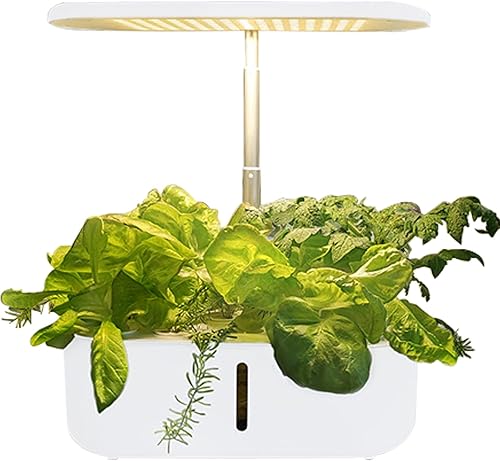
Two systems work especially well for seniors when you design them right: Kratky and shallow DWC/NFT hybrids.
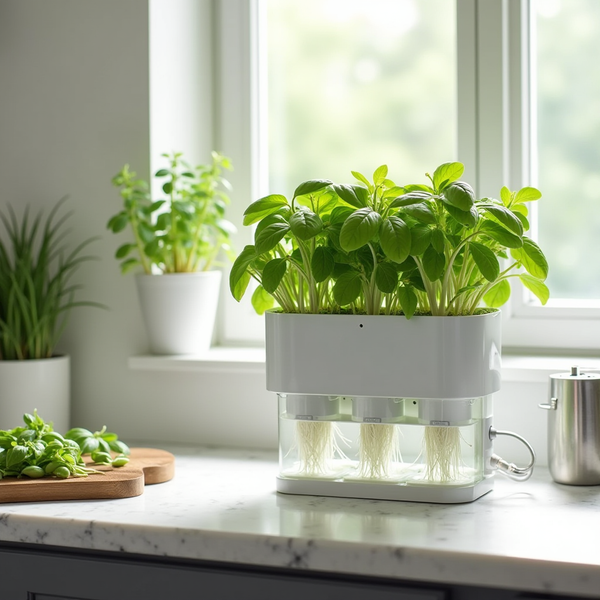
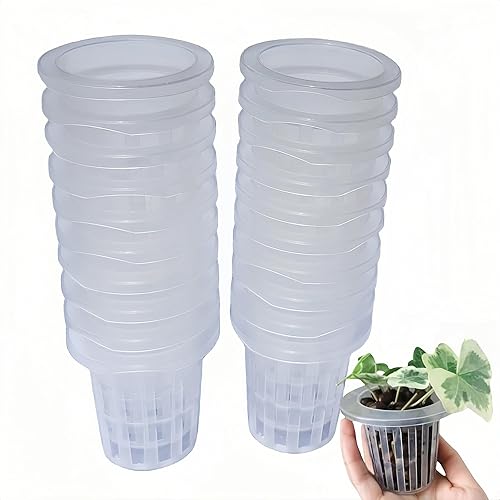
- Kratky method: Passive, no pumps, no electricity. Perfect for countertop or bench-level bins. Use light-blocking lids and net cups to prevent algae, and size reservoirs so they can run 3–4 weeks without top-up for leafy greens.
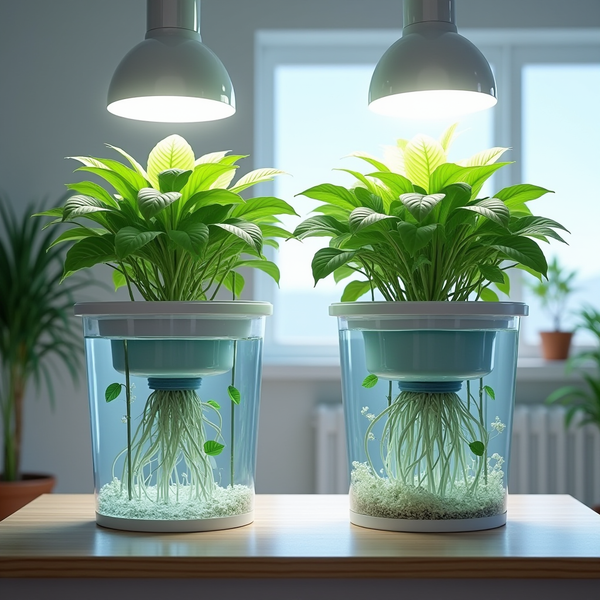
- Shallow DWC / raft: 10–20 cm water depth in a tray on a bench, with an airstone and small air pump placed at bench level (not the floor). Rafts (foam or plastic lids) hold net cups. Because the water depth is modest, total volume stays manageable while roots still get plenty of oxygen and stability.
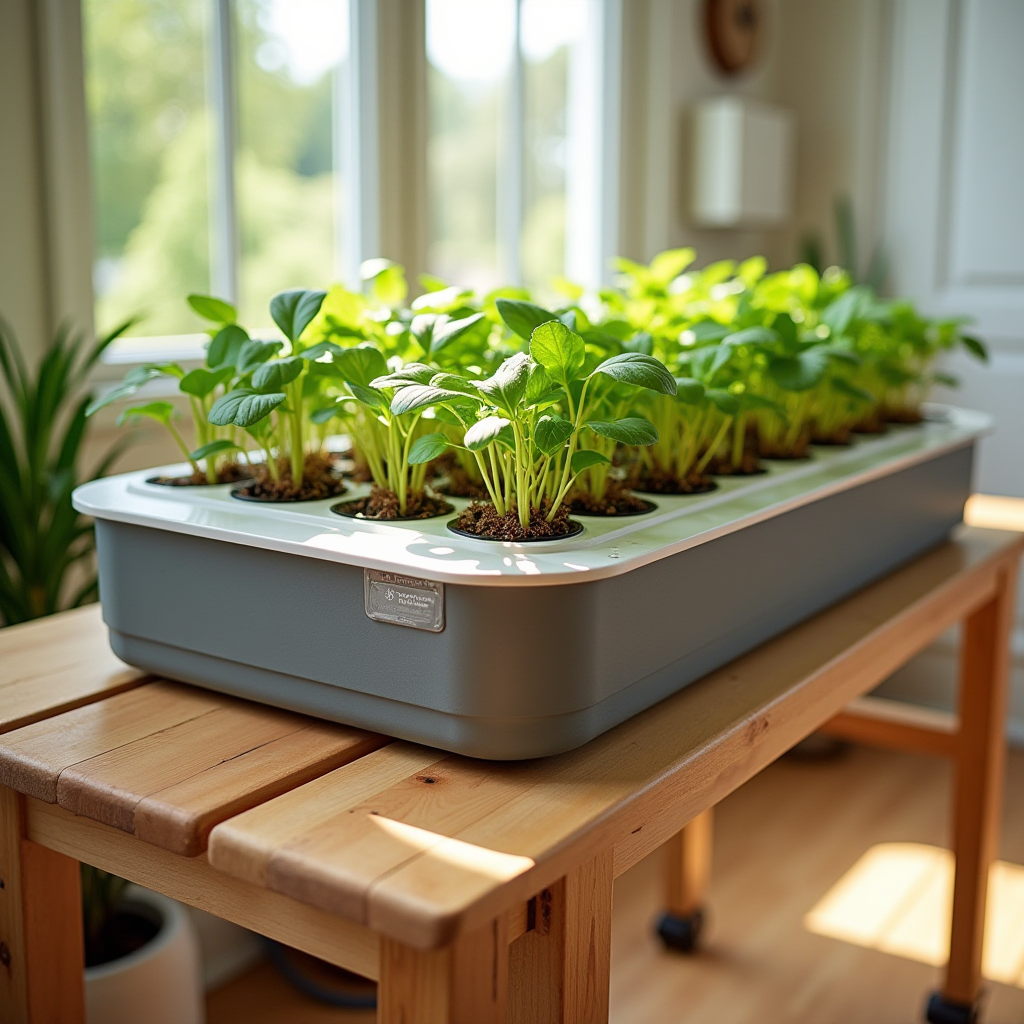
- NFT for accessible racks: Narrow channels mounted on a frame at comfortable height, with the nutrient reservoir in a no-lift cart (more on that below). Keep channel runs short and accessible from one side.
3.3 Design a low-lift reservoir cart
Instead of parking the reservoir on the floor, put it on a cart that locks in place under or beside the bench.
- Height: Top of the reservoir around 18–24 in (45–60 cm). That keeps the fill port and inspection hatch around knee to mid-thigh height.
- Casters: Use four locking casters rated well above the full water weight. Lock two diagonally at minimum when working.
- Handles: Rigid, horizontal handles at about 32–36 in height so users push rather than stoop.
- Connections: Use quick-connect fittings for return and supply lines. Color-code them. A simple push-fit or cam-lock is far easier than threaded PVC for older hands.
- Drain without lifting: Put a bulkhead fitting at the reservoir’s lowest point feeding a lever-handle ball valve. From there, run a hose to a floor drain, utility sink, or portable waste tank. To change solution: unlock cart, roll to drain, open valve. No lifting, no tipping.
Build this once and you can reuse it under different benches or towers. It is the single biggest upgrade you can make for seniors in DWC/NFT systems.
3.4 Use lever-handle valves and large quick-connects
Fine quarter-turn valves with tiny knobs are a bad match with arthritis. Go for oversized lever handles that clearly show open/closed position and require minimal grip strength.
- Valves: Full-port ball valves with long levers. Mount them so the lever moves in a clear horizontal arc.
- Fittings: Garden-hose style quick-connects or large collet push-fit fittings for 1/2 in or 3/4 in tubing. Avoid tiny clips and small-diameter barbs.
- Labeling: Use color-coded tape or printed tags to mark “fill,” “drain,” and “recirculation.” Keep icons simple.
3.5 Contain spills and prevent slips
Plan for spills as a certainty, not a failure.
- Secondary containment: Put reservoirs in shallow spill trays or on benches with a 1–2 cm lip. That buys time if a hose pops or a fitting weeps.
- Flooring: Use non-slip mats or rubber tiles in front of benches. Avoid loose rugs. If the space has smooth tile or vinyl, overlay key walkways with anti-slip runners.
- Routing: Keep hoses and cables off the floor or cross them at right angles with cord covers. Route along walls or under benches.
- Lighting: Good, even light makes wet patches visible and reduces trip risk. Avoid glare where older eyes struggle to see contrast.
3.6 Make monitoring large-print and audible
Monitoring does not have to mean staring at tiny meters.
- pH/EC meters: Choose devices with large, high-contrast screens. If budget allows, use Wi‑Fi or Bluetooth monitors that send readings to a tablet with adjustable font size.
- Labeling: Print large, high-contrast labels for nutrients, pH up/down, and each valve. Use at least 18–24 pt font on waterproof labels.
- Audible cues: Timers or controllers should have clear beeps or voice notifications. Where possible, pair them with visual cues like LEDs so users with hearing loss are not left out.
- Checklists: Simple laminated checklists with large text for daily/weekly tasks: “Check water level,” “Read pH,” “Inspect for leaks,” and so on.
3.7 Caregiver and group workflows
Design the garden as a small workstation, not just a plant shelf.
- Pathways: Aim for at least 36 in (91 cm) clear width around the main bench so wheelchairs and walkers can turn safely.
- Two-sided access: If possible, allow access from both sides of a bench so a carer and a senior can work together comfortably without reaching over plants.
- Staging shelf: Include a side shelf for tools, meters, and nutrient bottles at about 32–36 in height. This keeps gear off the floor and within easy reach.
- Session planning: Group noisy or more complex tasks (reservoir changes, deep cleaning) into dedicated maintenance times when carers are present, and keep daily sessions simple (harvesting, topping up, pruning).
4. Long-Term Safety: Humidity, Legionella, And System Hygiene
4.1 Control humidity in small indoor spaces
Hydroponics adds water and evapotranspiration to a room. In a small apartment or care facility, that can push humidity high enough to promote mold and discomfort.
- Ventilation: Use quiet fans to move air through the room. If windows can be opened safely, ventilate on a schedule.
- Dehumidification: In sealed rooms, a small dehumidifier with a continuous drain line prevents constant bucket emptying for seniors.
- Plant density: Don’t overpack plants in tiny rooms. Match system size to the room’s ventilation and dehumidification capacity.
4.2 Legionella-aware water management
For indoor hydroponics in senior environments, treat Legionella control as a design spec, not an afterthought.
- Water temperature: Legionella thrives around 25–45 °C. Aim to keep nutrient solution closer to 18–22 °C where possible. In hot climates, that may mean insulating reservoirs or using cool intake water.
- Limit stagnation: Even in Kratky, do not leave nutrient solution untouched for months. For leafy greens, a complete drain, clean, and refill between crops is a good habit.
- Reduce aerosols: Avoid high-splash waterfalls or open sprayers in senior indoor spaces. Keep returns under the waterline and use gentle flow.
- Cleaning routine: Set a clear schedule for cleaning reservoirs, lines, and fittings between crops. Use food-safe disinfectants, rinse thoroughly, and keep a simple written log.
- Source water: Use mains water or treated water. If you store make-up water, keep containers covered and clean.
These practices mirror what is already recommended for other indoor water systems in vulnerable settings, adapted to hydroponics.
4.3 Nutrient management that is forgiving, not fragile
For seniors, nutrient regimes should be robust and easy to remember.
- Use simple A/B nutrient lines: Clearly labeled bottles with large, contrasting text and color-coded caps.
- Pre-measured dosing: Keep a dedicated, labeled measuring cup or syringe for each bottle. Mark fill lines on clear jugs for common recipes.
- pH target: For mixed leafy greens and herbs, aim for a pH range around 5.8–6.2. That buffer zone gives room for small errors.
- EC target: For most salad greens, 1.2–1.8 mS/cm works well. Print a simple crop chart near the bench.
4.4 Design for easy disinfection between users and crops
In communal senior living, you want to be able to reset the system quickly and thoroughly between groups or planting cycles.
- Smooth, non-porous surfaces: Choose plastics and metals that can be wiped and disinfected. Avoid complex crevices where biofilm can hide.
- Modular parts: Use removable channels, lids, and net cup strips that can be taken to a sink, cleaned, and dried.
- Clear SOPs: Write down a simple step-by-step cleaning process with visual icons so carers or rotating staff can follow it consistently.
4.5 Protecting the social value of the garden
The RHS report covered by Garden Culture points out how gardeners contribute to wellbeing, community, and even environmental awareness across age groups. In senior living, hydroponic gardens can amplify that if they are reliable, safe, and comfortable to use.
That means fewer emergency “system crashes” from neglected reservoirs, less time spent on awkward maintenance, and more time spent on the enjoyable parts: sowing, watching roots grow, harvesting, and sharing food and stories.
- Build in redundancy: backup air pumps, spare pH pens.
- Keep systems small enough that a missed check does not kill everything overnight.
- Use plants with forgiving growth curves: leafy greens, herbs, and compact fruiting crops that don’t punish minor nutrient swings.

Bringing It All Together
Accessible hydroponic system design for seniors is not complicated; it is just specific. Respect ADA-informed bench heights and reach distances, eliminate heavy lifting with low-lift reservoir carts, use lever-handle valves and big quick-connects, plan for spills and humidity, and treat water hygiene and Legionella control as core design requirements, not extras.
Layer on large-print labels, audible or app-based monitoring, and clear workflows for carers and groups, and you get a hydroponic garden that supports older adults rather than wearing them out. The plants do not care how old the grower is. With the right design, neither does the system.
As an Amazon Associate, I earn from qualifying purchases.